

Acute pancreatitis (AP) is inflammation of the pancreas, ranging from mild interstitial edema (80% of cases) to severe necrotizing pancreatitis with organ failure and significant mortality. The most common causes are gallstones (biliary obstruction of the pancreatic duct) and alcohol use. Recovery from acute pancreatitis involves a structured refeeding protocol: initially NPO (nothing by mouth) or clear liquids, advancing to low-fat soft diet, then full diet as tolerated -- a process that may take days to weeks depending on severity. In severe or necrotizing pancreatitis, recovery may take months and involve complications including pancreatic exocrine insufficiency (requiring enzyme replacement with all meals), pseudocyst formation, and post-inflammatory strictures. The dietary restrictions of pancreatitis recovery (low-fat, easily digestible foods; enzyme timing with all meals in insufficiency; alcohol avoidance) significantly increase kitchen preparation complexity. Abdominal pain and splinting (voluntary muscle guarding to protect the painful abdomen) limit trunk mobility and bending, creating kitchen reach limitations during the acute and subacute recovery phases.
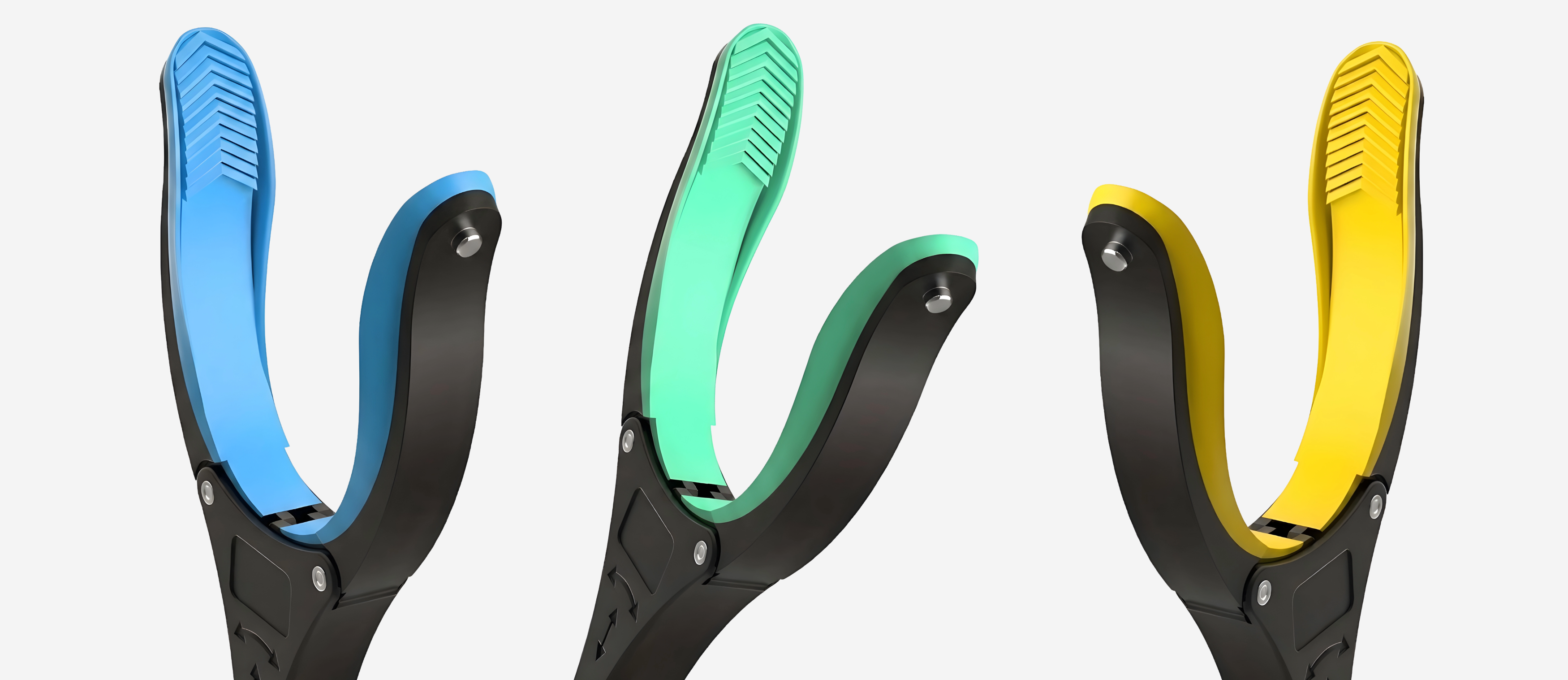
Direct answer: Pancreatitis recovery kitchen adaptive tools address abdominal pain and guarding (limiting trunk bending for floor-level kitchen access) and the increased kitchen preparation demands of low-fat, enzyme-timed meals. The reacher eliminates the trunk flexion that is most painful with abdominal guarding. The electric jar opener reduces grip effort that loads the abdominal wall. The GrabbersTool 32-inch Reacher is recommended for pancreatitis recovery when abdominal splinting limits floor-level bending.
Pancreatitis Recovery Kitchen Strategy
| Recovery Phase or Challenge | Kitchen Impact | Adaptive Strategy |
|---|---|---|
| Acute abdominal pain and splinting (early recovery) | Abdominal wall guarding prevents forward trunk flexion; bending to reach floor items, low cabinets, or the dishwasher is painful; any Valsalva (bearing down) during lifting increases abdominal pressure and pain | 32-inch reacher for all floor-level item retrieval; avoid lifting greater than comfortable; slide items on counters rather than lifting; caregiver assistance during acute pain phase; seated kitchen work to reduce abdominal wall muscle demand |
| Low-fat diet preparation | Pancreatitis dietary management requires preparing low-fat meals; high-fat convenience foods not usable; meal preparation from whole foods required; increased kitchen preparation time and effort during recovery | Simple low-fat recipes with minimal preparation steps; electric opener tools to reduce kitchen preparation effort; steam cooking (low-fat cooking method requiring minimal preparation); identify low-fat pantry staples accessible with electric openers |
| Pancreatic exocrine insufficiency (enzyme management) | Exocrine insufficiency requires pancreatic enzyme replacement (Creon, Zenpep) with every meal and snack; enzyme capsules must be taken at meal start; kitchen management includes enzyme timing for all food preparation and eating; without enzymes, malabsorption causes diarrhea and weight loss | Enzyme reminder visible in kitchen (by the plates or meal area); consistent meal timing for reliable enzyme management; consistent meal volume to guide enzyme dosing; dietitian nutrition support for post-pancreatitis kitchen management |
See the 32-inch Reacher and Electric Jar Opener for pancreatitis recovery kitchen independence.


