

Down syndrome (trisomy 21) is the most common chromosomal condition associated with intellectual disability, occurring in approximately 1 in 700 live births. Adults with Down syndrome live increasingly longer -- median life expectancy has risen from 25 years in 1983 to over 60 years today -- and the majority of community-dwelling adults with Down syndrome have some degree of kitchen participation in supported or semi-independent living settings. The key physical features relevant to kitchen function include: generalized hypotonia (low muscle tone, affecting grip strength, postural stability, and fatigue with physical effort), joint hypermobility (ligamentous laxity predisposing to joint instability), short stature (affecting kitchen counter ergonomics -- standard counters may be too high for comfortable working), atlantoaxial instability (ligamentous laxity at C1-C2 creating cervical spine instability in 10-20% of adults with Down syndrome -- restricting activities that involve cervical spine loading or forceful head movement), and early-onset Alzheimer disease (occurring in most individuals with Down syndrome by their 50s, adding cognitive kitchen limitations). Grip strength is typically reduced relative to the general population due to hypotonia.
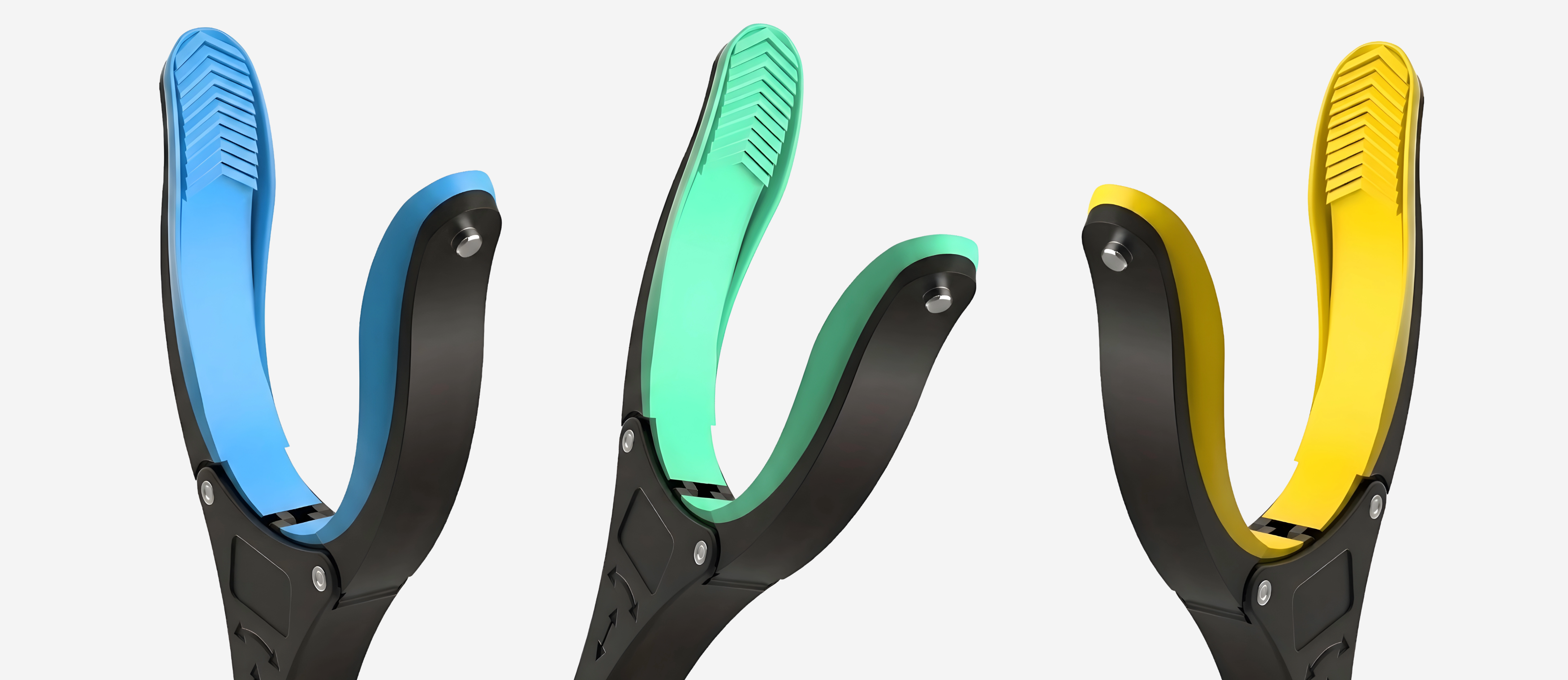
Direct answer: Down syndrome adaptive kitchen tools address grip weakness from hypotonia (the most consistent kitchen-relevant physical limitation), atlantoaxial instability precautions (if present, no heavy lifting over head or forceful neck movement), and early Alzheimer disease (which requires progressive kitchen task simplification). The electric jar opener addresses grip weakness -- the combination of hypotonia and finger hypermobility makes sustained jar-opening grip very difficult and potentially destabilizing for finger joints. The reacher supports floor-level retrieval. For adults with known atlantoaxial instability, no overhead lifting that loads the cervical spine. The GrabbersTool Electric Jar Opener and 32-inch Reacher are core tools.
Down Syndrome Feature and Adaptive Kitchen Tool Strategy
| Feature | Kitchen Impact | Adaptive Tool Strategy |
|---|---|---|
| Generalized hypotonia and grip weakness | Jar opening requires grip and torque that hypotonic hands cannot generate reliably; sustained kitchen effort fatigues quickly; carrying heavy items unstable | Electric jar opener essential; lightweight cookware; built-up handle utensils; short kitchen sessions with rest breaks; seated cooking option |
| Short stature | Standard kitchen counters may be too high for comfortable working; reaching overhead impossible; countertop appliances at eye level | Step platform at work area; lower work surface where possible; all items stored at reachable height; reacher for any overhead retrieval |
| Atlantoaxial instability (if present) | No heavy overhead lifting that loads the cervical spine; no forceful neck extension or flexion under load; contact sports and jarring activities restricted | No overhead lifting; reacher to avoid overhead reaching; no jumping or running in kitchen; if status unknown, consult physician before starting kitchen independence program |
| Early Alzheimer disease (50s+) | Progressive cognitive decline adds kitchen safety limitations; same progression as general dementia kitchen safety | Progressive kitchen task simplification; caregiver supervision increasing; stove safety devices; refer to dementia caregiver kitchen guide for stage-based strategy |
Browse the adaptive kitchen collection and Electric Jar Opener for Down syndrome kitchen independence support.


