

Amyotrophic lateral sclerosis (ALS, also called motor neuron disease or Lou Gehrig disease) is a rapidly progressive neurodegenerative disease affecting both upper motor neurons (in the brain) and lower motor neurons (in the brainstem and spinal cord), causing progressive weakness and atrophy of voluntary muscles including limb, bulbar (speech and swallowing), and ultimately respiratory muscles. The median survival from symptom onset is 2-5 years, with 10% of patients surviving beyond 10 years. ALS presents in two predominant patterns: limb-onset ALS (weakness starting in an arm or leg) and bulbar-onset ALS (weakness starting in speech and swallowing muscles). The progression of ALS kitchen limitations follows the progression of the disease, and adaptive kitchen strategies must be updated frequently as function changes -- what works at 6 months post-diagnosis will be inadequate at 12 months and impossible at 18-24 months. This makes ALS kitchen adaptation a dynamic, evolving process requiring regular reassessment by a multidisciplinary ALS team including occupational therapy.
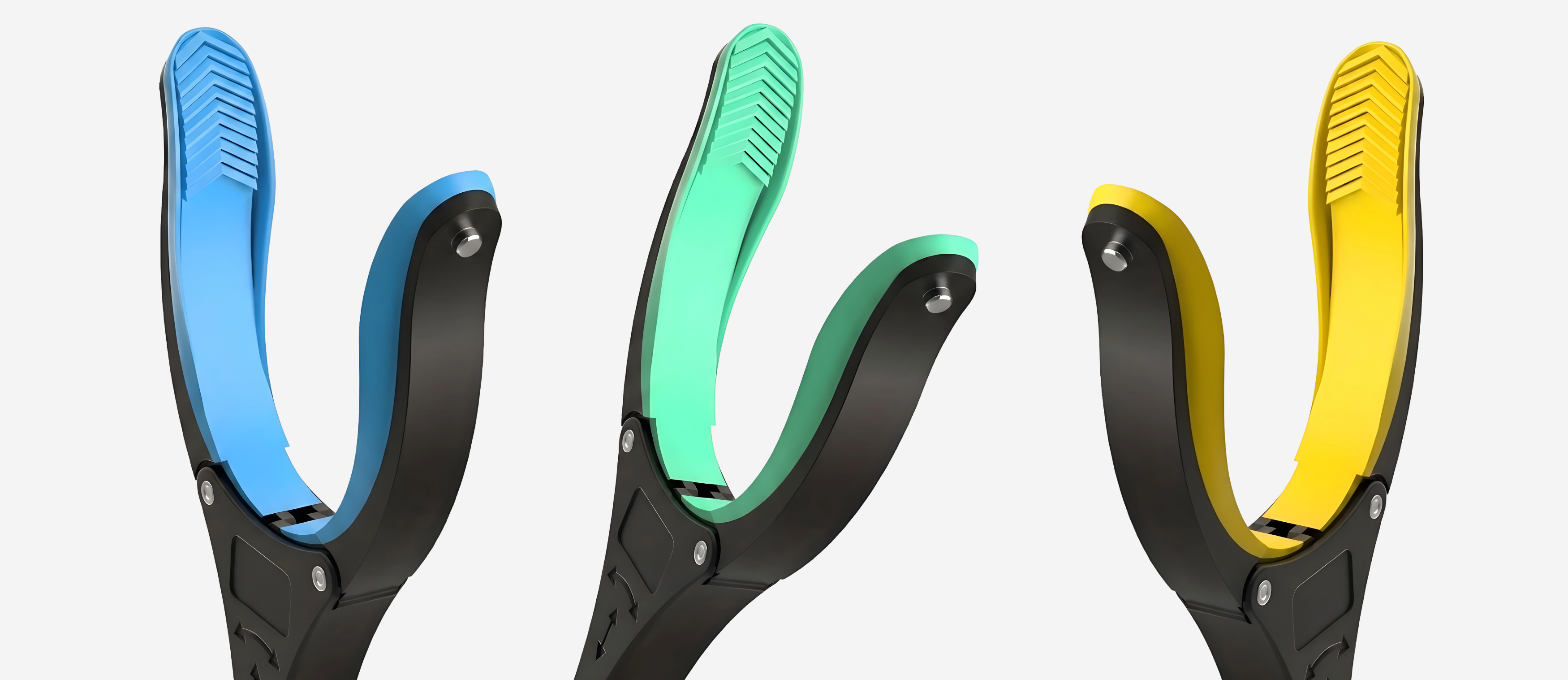
Direct answer: ALS adaptive kitchen tools must be selected for the current stage and anticipated next stage simultaneously. The electric jar opener becomes essential early in the limb-onset ALS journey when hand grip begins to fail. The 43-inch reacher transitions in when wheelchair mobility is adopted. As the disease progresses to involve both arms, even these tools become insufficient, and full caregiver kitchen support is required. The GrabbersTool Electric Jar Opener and 43-inch Reacher serve the middle stages of ALS kitchen adaptation.
ALS Stage and Adaptive Kitchen Independence Profile
| ALS Stage | Upper Limb and Mobility Status | Kitchen Adaptive Strategy |
|---|---|---|
| Early ALS (limb-onset, one extremity affected) | One arm or one leg weaker; ambulatory; grip reduced on affected side; other extremities functional | Electric jar opener for affected-side grip loss; one-arm kitchen strategy developing; lightweight cookware; continue as much independent cooking as possible; OT assessment for proactive planning |
| Moderate ALS (bilateral limb involvement) | Both arms increasingly weak; wheelchair transition approaching or completed; bilateral grip reduced; fatigue significant | Electric jar opener essential; 43-inch reacher for wheelchair floor access; modified kitchen setup for wheelchair height; caregiver assists with heavy tasks; maximize independence in remaining functional tasks |
| Advanced ALS (severe weakness, respiratory involvement) | Both arms very weak or paralyzed; wheelchair dependent; respiratory support (BiPAP, possibly tracheostomy); swallowing may be affected | Minimal independent kitchen function; caregiver prepares all meals; patient may still direct and supervise; texture-modified diet if dysphagia present; communication aids for meal preferences; electric jar opener only if enough hand function remains |
| End-stage ALS | Near-complete paralysis; full ventilatory support; complete caregiver dependence for all ADLs including feeding | All feeding performed by caregivers; patient requires nutritional support (PEG feeding tube often placed in advance); kitchen independence is fully transferred to caregivers |
Browse the reacher collection and Electric Jar Opener for ALS stage-appropriate kitchen adaptation support.


