

Ataxia is a general term for a lack of coordination and control of voluntary movements, resulting from dysfunction of the parts of the nervous system that coordinate movement -- most commonly the cerebellum (cerebellar ataxia), but also from problems with the sensory pathways that provide position information (sensory ataxia) or the vestibular system (vestibular ataxia). Ataxia can result from many causes: hereditary ataxias (spinocerebellar ataxias, Friedreich ataxia, and others), acquired causes (stroke affecting the cerebellum, multiple sclerosis, alcohol-related cerebellar degeneration, vitamin deficiencies -- B12 and E, hypothyroidism, tumors, and paraneoplastic conditions), and sensory ataxia causes (peripheral neuropathy and conditions affecting the sensory pathways). Ataxia affects the coordination and control of movement -- causing incoordination of the limbs (affecting reaching, gripping, and manipulation -- with overshooting, undershooting, and imprecise movements), gait ataxia (an unsteady, uncoordinated gait with balance problems and fall risk), and often other features (intention tremor, speech and eye movement problems). The incoordination affects the precision and control of movements rather than strength (strength is typically preserved). Kitchen tasks require coordinated, precise movements, and ataxia affects them -- reaching for and manipulating kitchen items (incoordination causing overshooting and imprecision), pouring and precise tasks (affected by the incoordination and any intention tremor), cutting (affecting knife control -- a safety concern), and kitchen mobility and standing (gait ataxia causing balance problems and fall risk). Kitchen adaptation for ataxia focuses on the incoordination and safety -- stabilizing and dampening the movements (weighted tools, stabilization), reducing the precision demand (electric tools), and safety (fall prevention for gait ataxia). This guide covers kitchen adaptation for ataxia from various causes, complementing the cerebellar ataxia guide.
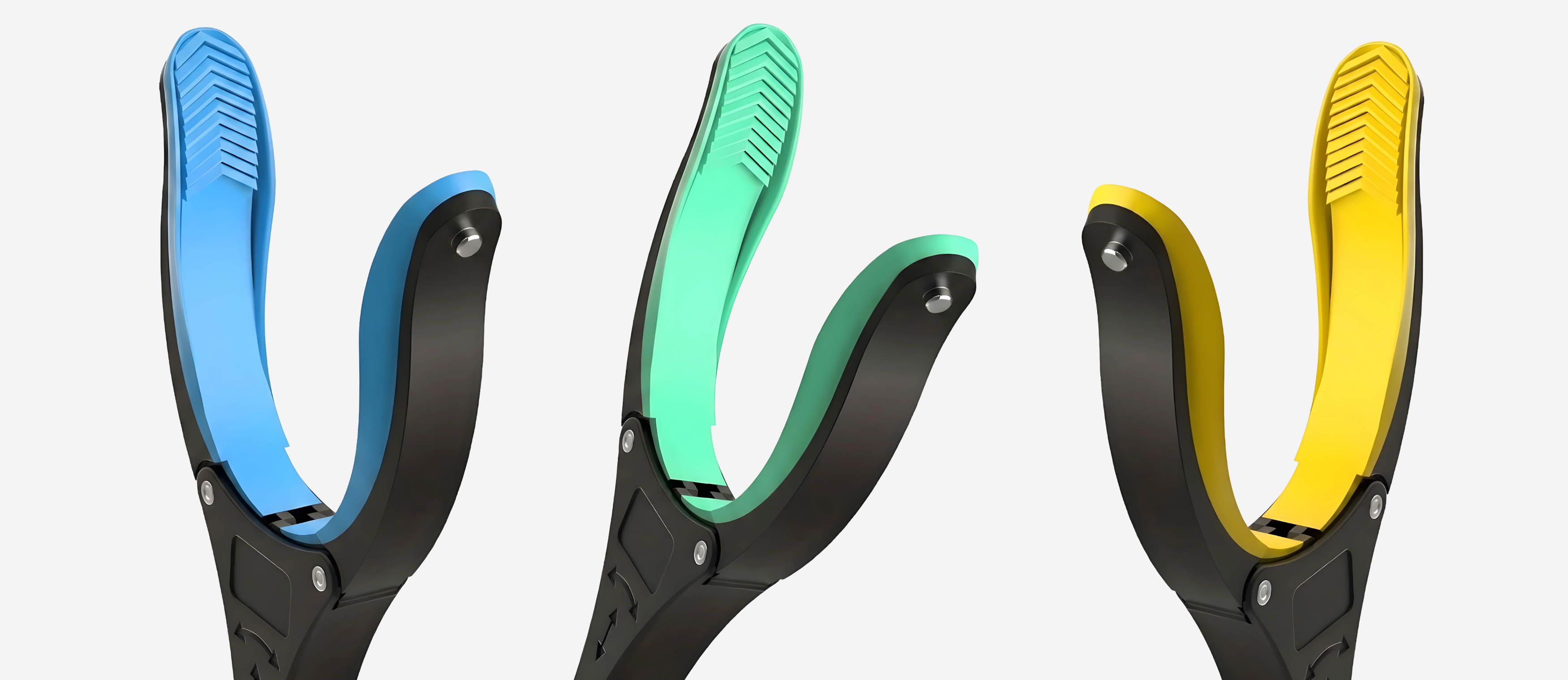
Direct answer: Ataxia kitchen adaptive tools address the incoordination and safety -- weighted tools to dampen and stabilize the ataxic movements, electric tools to reduce the precision demand, stabilization, and fall prevention for gait ataxia. The GrabbersTool Electric Jar Opener reduces the coordinated grip-and-twist that ataxia impairs, and seated preparation with fall prevention addresses the gait ataxia.
Ataxia Kitchen Adaptive Strategy
| Ataxia Feature | Kitchen Impact | Adaptive Solution |
|---|---|---|
| Limb incoordination affecting reaching and manipulation | Ataxia limb incoordination affects reaching for and manipulating kitchen items -- the incoordination causes overshooting, undershooting, and imprecise movements when reaching for items (knocking things over, missing targets, and misjudging), and affects the control of manipulation (gripping, pouring, and precise tasks); any intention tremor (worsening as the hand approaches a target) further affects the precision; the incoordination affects the precision and control of kitchen hand tasks (despite preserved strength); reaching, pouring, precise placement, and manipulation are affected by the incoordination | Weighted kitchen utensils and tools (added weight dampens the ataxic movements and intention tremor and improves control -- a key ataxia adaptation); electric jar opener (GrabbersTool) to reduce the coordinated grip-and-twist that ataxia impairs; stabilize the arm and elbow on the counter during precise tasks (reducing the degrees of freedom the incoordination affects); secure stabilization of items (non-slip mats, weighted containers) so the incoordination does not knock them; larger target containers (easier with the incoordination); the weighted tools, stabilization, and electric tools address the limb incoordination |
| Gait ataxia, balance, and kitchen fall risk | Ataxia gait ataxia (an unsteady, uncoordinated gait with balance problems) causes significant fall risk in the kitchen -- the person may be unsteady and lose balance during kitchen standing, walking, turning, and pivoting; carrying items while walking worsens the balance; the gait ataxia is a significant kitchen safety concern (fall risk); for sensory ataxia, the balance is worse without visual guidance (worse in the dark); the gait ataxia affects kitchen mobility and standing and creates fall risk; the balance and fall risk are important safety considerations in ataxia | Seated kitchen preparation to reduce the gait ataxia standing and walking fall risk during meal preparation; non-slip flooring; kitchen counter and rail handholds for balance support; a walker or rollator for gait ataxia kitchen mobility; avoid carrying items while walking (use a wheeled cart or slide items); for sensory ataxia, adequate lighting to maximize visual compensation for the balance; clear pathways; the seated preparation, stability support, and fall prevention address the gait ataxia and fall risk; physical therapy for ataxia balance and gait; the safety measures address the fall risk |
| Kitchen safety, causes, and ataxia support | Ataxia kitchen safety is a concern beyond the fall risk -- the incoordination affects safe handling of hot items (ataxic handling -- burn risk) and sharp implements (ataxic knife use -- laceration risk); safe kitchen technique is important with the incoordination; some causes of ataxia are treatable (vitamin deficiencies -- B12 and E, hypothyroidism, and some autoimmune ataxias -- which can improve with treatment), while many hereditary and progressive ataxias are managed symptomatically; addressing treatable causes and the overall management support function; the combination of adaptive tools, safety measures, and addressing the cause supports ataxia kitchen function | Kitchen safety for the ataxic incoordination (careful handling of hot items -- use electric tools, induction cooktops, and avoid ataxic handling of hot liquids -- burn risk; careful knife use -- use food processors and safer tools to avoid ataxic knife use -- laceration risk; the electric jar opener and electric tools reduce the ataxic handling of implements); addressing treatable causes of ataxia (vitamin deficiencies, hypothyroidism, and autoimmune causes -- per physician -- which can improve); the overall ataxia management (symptomatic for progressive causes); occupational and physical therapy for ataxia kitchen function and safety; the combination of adaptive tools, safety measures, and addressing the cause supports ataxia kitchen function; see the related [[adaptive-tools-cerebellar-ataxia-coordination-loss-kitchen]] guide |
See the Electric Jar Opener for ataxia kitchen coordination and grip support, alongside stabilization and fall prevention.


