

Brachial plexus injuries (BPI) damage the network of nerves from C5-T1 that innervate the arm. The most common adult BPI mechanism is high-velocity traction injury (motorcycle accidents), causing stretch or avulsion of the nerve roots. BPI patterns include: upper trunk (C5-C6) injury, Erb palsy -- weakness of shoulder abduction, elbow flexion, and forearm supination; lower trunk (C8-T1) injury, Klumpke palsy -- hand intrinsic weakness; and total plexus injury (C5-T1) -- complete arm paralysis. Avulsion injuries (nerve roots torn from the spinal cord) are not repairable and are the most severe. Nerve ruptures may be repairable with nerve grafting or nerve transfers (e.g., intercostal nerve to musculocutaneous nerve for elbow flexion restoration). Adult BPI typically occurs in young adults (20-40 years) -- a demographically different population from most adaptive tool users. Kitchen function after BPI: the degree of kitchen limitation depends on which trunk(s) are injured and the degree of recovery; total plexus injury with complete arm paralysis requires complete one-handed kitchen adaptation; Erb palsy (upper trunk) with partial arm function requires adaptations for shoulder and elbow weakness while hand function may be preserved.
Direct answer: Brachial plexus injury kitchen adaptive tools address the degree of arm involvement. For total plexus injury (complete arm paralysis): full one-handed kitchen adaptation (electric jar opener is the most critical tool -- bilateral jar opening impossible with one paralyzed arm). For Erb palsy (upper trunk): adaptive tools for shoulder and elbow weakness while the hand may function. The GrabbersTool Electric Jar Opener is the single most important kitchen tool for any BPI involving the dominant arm.
Brachial Plexus Injury Kitchen Adaptive Strategy
| BPI Pattern | Kitchen Impact | Adaptive Solution |
|---|---|---|
| Total brachial plexus injury (C5-T1, complete arm paralysis) | Complete unilateral arm and hand paralysis; the affected arm is completely non-functional and hangs by the side (or may be supported in a sling); all kitchen tasks must be performed one-handed; jar opening (bilateral task: one hand to stabilize, one to rotate) is completely impossible with a fully paralyzed arm; cutting, pot carrying, and all bilateral kitchen tasks require one-handed adaptive techniques; if the dominant arm is the injured one, the learning challenge is performing skilled kitchen tasks with the non-dominant hand | Electric jar opener (GrabbersTool) for one-handed jar opening (the device holds and opens the jar with no second hand required); suction-cup-base stabilizers to hold bowls and cutting boards without the paralyzed arm; rocker knife for one-handed cutting; dycem non-slip mat; occupational therapist for comprehensive one-handed ADL training including kitchen; myoelectric prosthesis may restore some bilateral function over years of rehabilitation |
| Upper trunk injury Erb palsy (C5-C6, shoulder and elbow weakness) | Shoulder abduction and external rotation weakness (deltoid, supraspinatus, infraspinatus); elbow flexion weakness (biceps, brachialis); forearm supination weakness (biceps, supinator); if hand function is preserved (lower trunk intact): can grip but cannot elevate the arm for overhead kitchen reach or flex the elbow against resistance; carrying heavy kitchen items (pots) with the affected arm limited by elbow flexion weakness | Reacher (GrabbersTool) for overhead kitchen reach compensating for shoulder abduction weakness; lightweight kitchen items to compensate for elbow flexion weakness; electric jar opener if forearm supination weakness limits manual jar opening torque; functional arm orthosis (balanced forearm orthosis) prescribed by occupational therapist for Erb palsy may augment kitchen function |
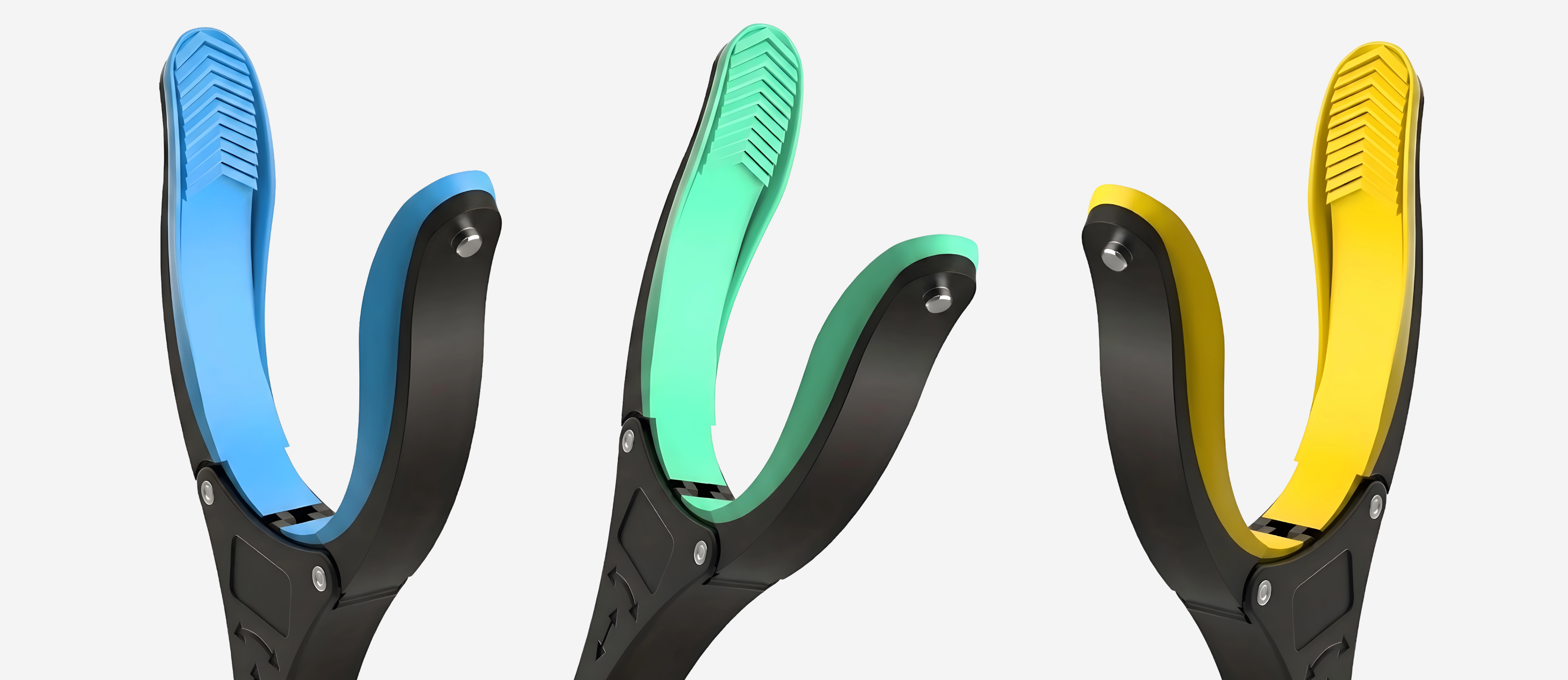
See the Electric Jar Opener and 32-inch Reacher for brachial plexus injury kitchen support.


