

Cerebral palsy (CP) is a group of permanent movement and posture disorders resulting from non-progressive injury to the developing brain before, during, or shortly after birth. The motor patterns of CP fall into three primary types: spastic CP (the most common, approximately 80%, characterized by increased muscle tone, scissor gait, and upper motor neuron signs), dyskinetic CP (including athetoid CP with involuntary writhing movements and dystonic CP with sustained abnormal postures, together comprising about 15%), and ataxic CP (balance and coordination disorder, less common). Hemiplegia (one side), diplegia (legs more than arms), and quadriplegia (all four limbs) describe the body distribution. Adults with CP face the additional challenge of premature aging: the excessive muscular effort required to function with CP throughout life produces early fatigue and musculoskeletal wear, and many adults with CP experience significant functional decline in their 30s and 40s that they did not have earlier in life. Kitchen function for adults with CP depends heavily on subtype, GMFCS level (Gross Motor Function Classification System), and hand function.
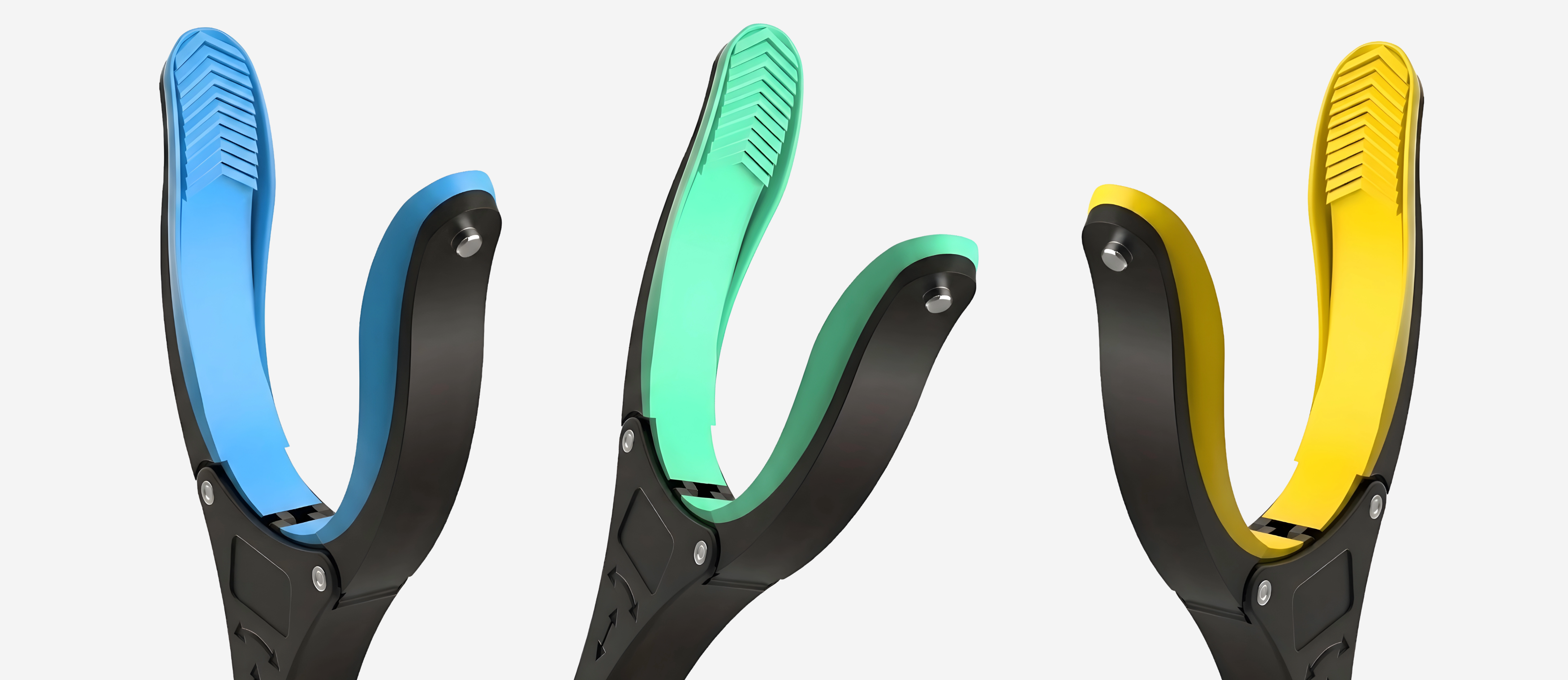
Direct answer: CP adaptive kitchen tools must address the subtype-specific motor pattern: spastic CP benefits from tools that reduce grip force requirements and the risk of dropping items from spastic hands; athetoid CP benefits from weighted or stabilized tools that counteract involuntary movement; ataxic CP benefits from stabilization and reducing balance demands during kitchen tasks. The electric jar opener addresses multiple CP subtypes by eliminating the sustained grip and rotational force that is challenging across all motor patterns. The reacher supports the balance needs of ataxic and spastic diplegia adults by reducing the need to bend, which disturbs balance. The GrabbersTool Electric Jar Opener and 32-inch Reacher are applicable across CP subtypes.
Cerebral Palsy Subtype and Adaptive Kitchen Tool Strategy
| CP Subtype | Kitchen Limitation | Adaptive Tool Approach |
|---|---|---|
| Spastic hemiplegia (one-sided) | One arm limited by spasticity; affected hand grip and dexterity reduced; jar opening requires two hands with one spastic | Electric jar opener (one-handed electric operation replaces two-hand manual task); one-handed kitchen strategy; suction-base cutting boards; reacher for balance support |
| Spastic diplegia (legs primarily) | Walking and balance affected; prolonged standing difficult; fatigue from high-effort ambulation; hands usually functional | Seated cooking; reacher to reduce bending (balance risk); bar stool at counter; electric jar opener for fatigue days; lightweight cookware |
| Athetoid (dyskinetic) CP | Involuntary arm movements interfere with precise kitchen tasks; carrying hot or sharp items dangerous; grip unreliable | Electric jar opener (reduces dangerous manual manipulation); lightweight and unbreakable cookware; avoid transporting hot liquids; stabilized work surface; weighted utensils where appropriate |
| Ataxic CP | Balance and coordination affecting all kitchen tasks; difficulty with precise movements; carrying unstable containers risky | Seated cooking to eliminate balance demands; reacher reduces balance-challenging bending; electric jar opener for coordination-challenging jar tasks; non-slip surfaces throughout kitchen |
Browse the adaptive kitchen collection and Electric Jar Opener for cerebral palsy kitchen support.


