

Athetoid (dyskinetic) cerebral palsy is a subtype of CP characterized by involuntary movements and fluctuating muscle tone, resulting from damage to the basal ganglia (often from severe neonatal jaundice/kernicterus historically, or from hypoxic-ischemic injury to the basal ganglia). Unlike spastic CP (which involves increased tone and is caused by damage to the motor cortex and corticospinal tracts), dyskinetic CP involves: athetosis (slow, writhing, involuntary movements, particularly of the hands, face, and tongue); chorea (rapid, irregular, jerky involuntary movements); dystonia (sustained abnormal postures and twisting movements); and fluctuating muscle tone (varying between low and high tone unpredictably). The involuntary movements typically increase with voluntary effort, emotional stress, and excitement -- so the more the person tries to perform a controlled movement, the more the involuntary movements can interfere (overflow). Intelligence is often preserved in athetoid CP (the basal ganglia damage affects movement more than cognition), though communication may be affected by involvement of the speech muscles (dysarthria). Athetoid CP adults face the same adult-CP considerations as other CP types (musculoskeletal aging, pain, fatigue) plus the specific challenges of managing involuntary movements. Kitchen function in athetoid CP is affected by the involuntary movements interfering with controlled kitchen tasks (reaching, grasping, manipulating are disrupted by athetosis and chorea), fluctuating tone affecting grip and posture, and the increase in involuntary movements with the effort and concentration that kitchen tasks require.
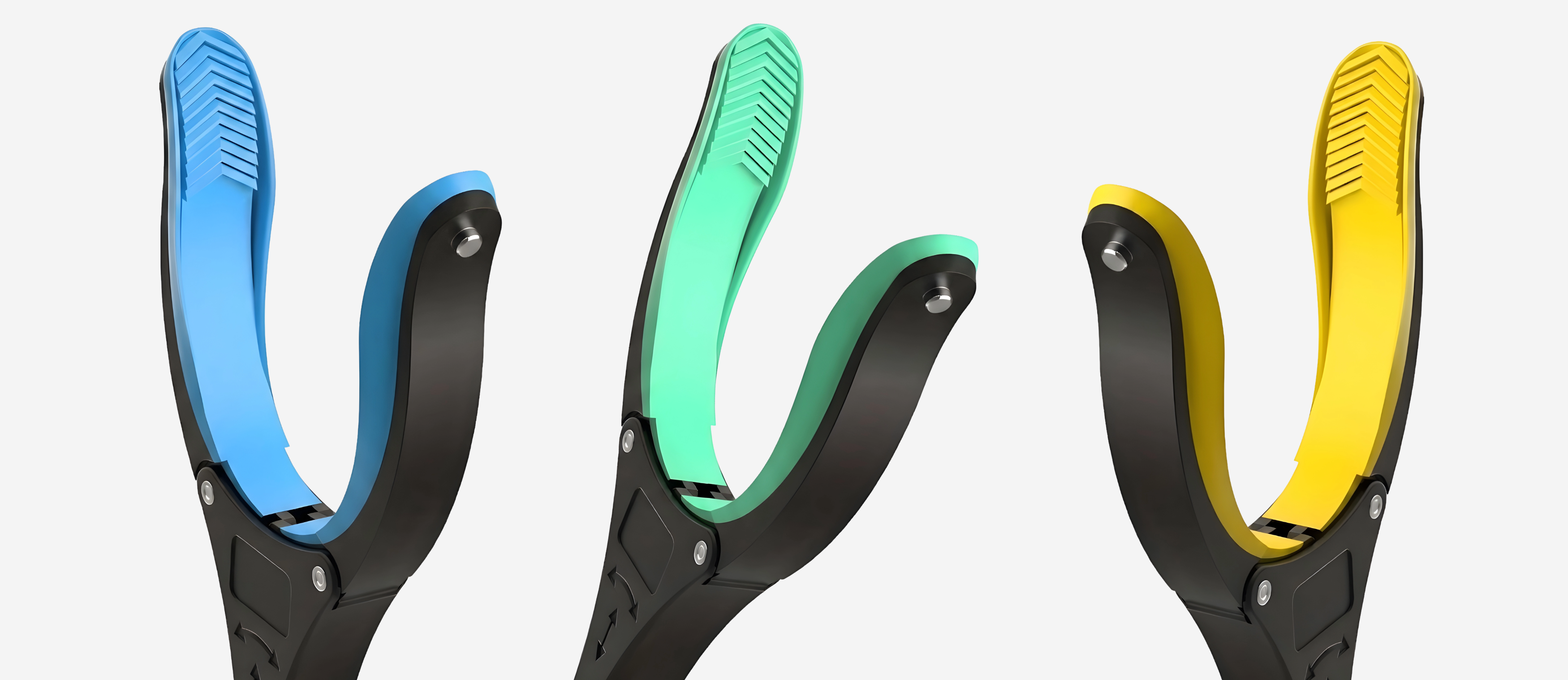
Direct answer: Athetoid cerebral palsy kitchen adaptive tools address involuntary movements interfering with controlled tasks: weighted and stabilized tools that dampen movement, secure stabilization of kitchen items, and electric tools reducing fine control demands. The GrabbersTool Electric Jar Opener reduces the precise controlled grip-and-twist that athetoid involuntary movements disrupt during jar opening.
Athetoid Cerebral Palsy Kitchen Adaptive Strategy
| Athetoid CP Feature | Kitchen Impact | Adaptive Solution |
|---|---|---|
| Involuntary movements interfering with controlled kitchen tasks | Athetoid and choreic involuntary movements disrupt the controlled, precise movements that kitchen tasks require -- reaching for kitchen items is affected by involuntary movements causing overshoot and inaccuracy; grasping and holding items is disrupted by involuntary hand movements (items may be knocked, dropped, or difficult to grip steadily); manipulating utensils, pouring, and fine kitchen tasks are interfered with by athetosis; critically, the involuntary movements increase with voluntary effort and concentration -- so the harder the person tries to perform a precise kitchen task, the more the involuntary movements can interfere; emotional stress and time pressure worsen the movements | Weighted kitchen utensils and tools (added weight dampens athetoid involuntary movements and improves control -- an important adaptive strategy for dyskinetic CP); electric jar opener (GrabbersTool) to reduce the precise controlled grip-and-twist that involuntary movements disrupt; stabilize the arm and elbow on the counter to reduce the degrees of freedom the involuntary movements affect; secure stabilization of kitchen items (non-slip mats, clamped or suction-based tools, weighted containers) so involuntary movements do not knock them; a calm, unhurried kitchen environment (reducing stress and time pressure reduces involuntary movements); occupational therapy for dyskinetic CP kitchen strategies |
| Fluctuating tone, grip, and posture in the kitchen | Athetoid CP fluctuating muscle tone (varying unpredictably between low and high tone) affects grip consistency and postural stability during kitchen tasks -- grip strength and control vary as tone fluctuates, making steady grasping difficult; postural stability during standing or seated kitchen work is affected by fluctuating trunk tone; the unpredictability of the tone fluctuations makes consistent kitchen task performance challenging; maintaining a stable position for a kitchen task (holding the head and trunk steady while using the hands) is affected; the combination of involuntary movements and fluctuating tone creates comprehensive motor control challenges | Postural support and stable seating for athetoid CP kitchen tasks (supportive seating that stabilizes the trunk allows better upper extremity control -- proximal stability improves distal control); secure stabilization of kitchen items to accommodate fluctuating grip; adaptive grips and tools that do not require sustained precise grip; positioning and seating optimized through occupational therapy and physical therapy; a stable base of support improves the consistency of kitchen task performance despite fluctuating tone; electric appliances reduce reliance on consistent grip strength |
| Communication, cognition, and comprehensive athetoid CP kitchen support | Athetoid CP often preserves intelligence (the basal ganglia damage affects movement more than cognition) -- so cognitive kitchen task management is often intact, but communication may be affected by dysarthria (speech muscle involvement) making it harder to ask for kitchen assistance verbally; the preserved cognition means athetoid CP adults can direct their own kitchen adaptations and often achieve significant independence with the right equipment and environment; adult athetoid CP also involves the general adult-CP considerations (musculoskeletal aging, pain, fatigue, and increased effort); assistive technology (communication devices, environmental controls) can support kitchen independence | Comprehensive adaptive kitchen equipment for athetoid CP (weighted and stabilized tools, electric appliances, secure item stabilization, supportive seating); recognize preserved cognition -- involve the athetoid CP adult in directing their own kitchen adaptations; communication support (augmentative communication devices) for dysarthria; environmental control systems for appliance operation if beneficial; occupational therapy for comprehensive dyskinetic CP kitchen assessment; the combination of preserved cognition and effective adaptive equipment enables meaningful athetoid CP kitchen independence; address adult-CP musculoskeletal and fatigue considerations |
See the Electric Jar Opener for athetoid cerebral palsy kitchen involuntary movement and grip support.


