

Charcot-Marie-Tooth disease (CMT, hereditary motor and sensory neuropathy, HMSN) is the most common inherited peripheral neuropathy, with a prevalence of approximately 1 in 2500 people. CMT is genetically heterogeneous -- over 100 causative genes have been identified; the most common subtypes are CMT1A (PMP22 duplication, demyelinating neuropathy) and CMT2A (MFN2 mutation, axonal neuropathy). CMT causes a characteristic length-dependent peripheral neuropathy: distal-predominant weakness and sensory loss more severe in the feet and lower legs than the hands and forearms. Clinical features: pes cavus (high-arched feet, the most characteristic physical finding, from intrinsic foot muscle atrophy tipping the foot into cavus deformity); foot drop from ankle dorsiflexor weakness causing steppage gait; hammertoes from intrinsic foot muscle imbalance; distal leg atrophy with the inverted champagne bottle leg appearance; distal hand weakness affecting intrinsic hand muscles (thenar and hypothenar) and long finger flexors in more severe CMT; sensory loss (proprioception, vibration, and light touch in a stocking-glove distribution); and slow nerve conduction velocity on EMG/nerve conduction study. CMT is slowly progressive over decades. Kitchen function in CMT is primarily affected by: gait instability from foot drop and pes cavus (fall risk in the kitchen); distal hand weakness affecting kitchen grip and fine motor tasks; and sensory loss (proprioception loss creating gait instability; reduced tactile sensation in the kitchen affecting knife and utensil safety).
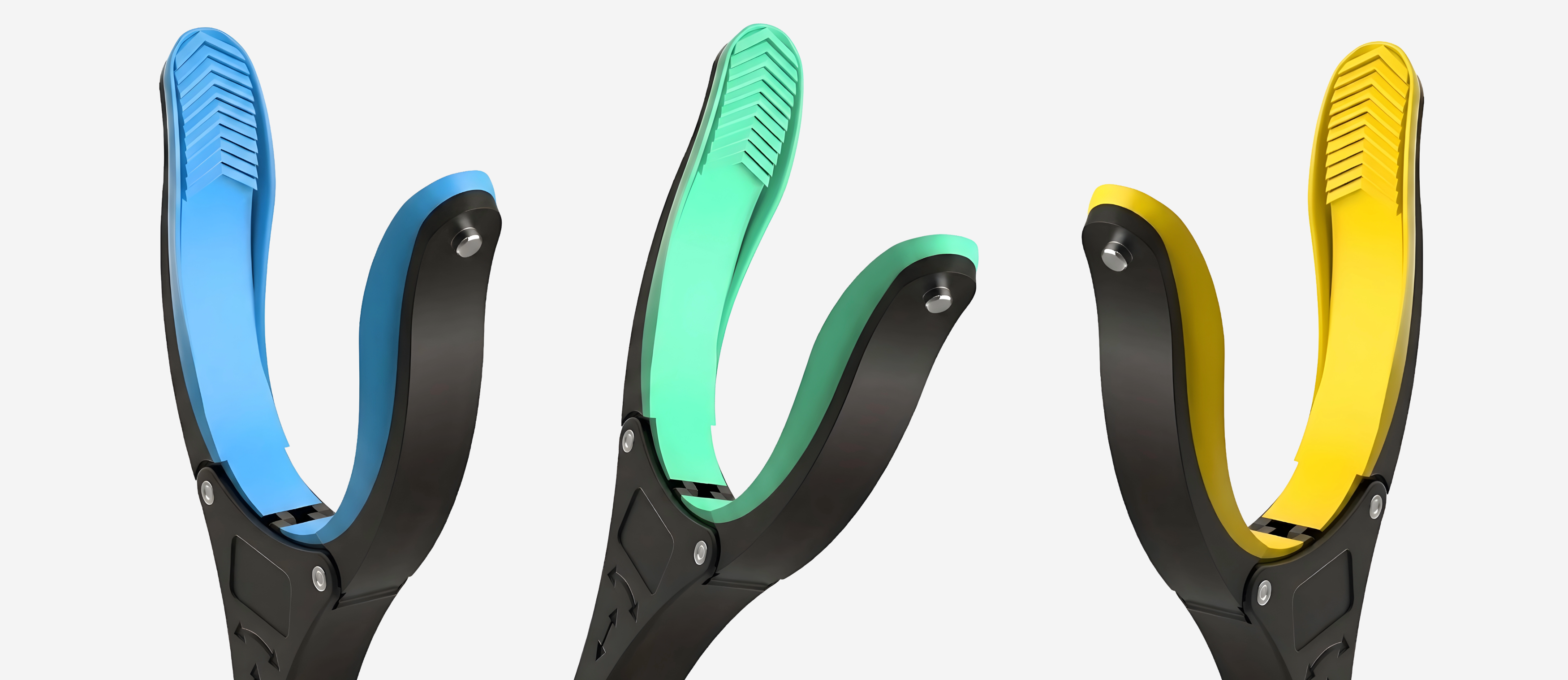
Direct answer: Charcot-Marie-Tooth disease kitchen adaptive tools address foot drop gait safety (non-slip kitchen mats, AFO for kitchen walking), distal hand weakness (electric opener, lightweight tools), and sensory loss (burn protection from reduced sensation). The GrabbersTool Electric Jar Opener compensates for CMT intrinsic hand muscle weakness and grip reduction in jar opening.
CMT Kitchen Adaptive Strategy
| CMT Feature | Kitchen Impact | Adaptive Solution |
|---|---|---|
| Foot drop, pes cavus, and kitchen gait instability | CMT foot drop from ankle dorsiflexor weakness (tibialis anterior) causes toe drag and tripping risk in the kitchen -- kitchen floor transitions (thresholds, rug edges), wet kitchen floors, and uneven kitchen surfaces cause CMT foot drop falls; pes cavus creates a narrow, high-arched foot with reduced base of support during kitchen standing; CMT steppage gait (high stepping to compensate for foot drop) requires more kitchen floor clearance than standard gait; kitchen pivoting and turning tasks (common during cooking) challenge CMT proprioception-impaired foot positioning; proprioception loss from CMT sensory neuropathy adds balance deficit to foot drop instability | Non-slip kitchen floor surface for CMT foot drop and pes cavus gait instability; AFO (ankle-foot orthosis) for CMT foot drop to be worn during kitchen activity; kitchen countertop or wall rail for handhold during kitchen navigation with CMT instability; remove kitchen floor rugs and thresholds that create CMT trip hazards; seated kitchen preparation to reduce prolonged standing with CMT gait instability; physical therapy for CMT balance training and kitchen safety |
| Distal hand weakness and intrinsic hand muscle atrophy | CMT distal hand weakness involves intrinsic hand muscles (thenar, hypothenar, interossei -- causing finger spread weakness and pinch weakness) and in severe CMT, the long finger flexors (grip strength); CMT hand weakness is typically milder and slower-progressing than CMT foot and leg involvement; kitchen jar opening (requires wrist supination torque and grip force) is impaired by CMT thenar weakness and grip reduction; kitchen knife use requires intrinsic hand muscle stability; fine kitchen motor tasks (spice jar caps, appliance controls) are affected by CMT intrinsic hand atrophy; the CMT hand eventually develops atrophy of the interossei and thenar muscles, giving the characteristic hand appearance | Electric jar opener (GrabbersTool) for CMT hand weakness in jar opening -- removes the intrinsic hand muscle and grip force requirements; built-up handle kitchen tools for CMT reduced grip; kitchen utensils with wider, padded grips suited to CMT thenar atrophy; lightweight kitchen cookware to compensate for CMT carrying strength reduction; occupational therapy for CMT hand weakness kitchen adaptive equipment assessment; CMT is progressive -- kitchen adaptive tools should be reassessed over time as hand function evolves |
| Sensory loss and burn risk in the CMT kitchen | CMT sensory neuropathy causes reduced touch, vibration, and proprioception in a stocking-glove distribution; distal hand sensory loss from CMT reduces the ability to feel: kitchen heat (burn risk from touching hot surfaces or liquids); sharp kitchen implements (knife cuts may not be felt); the texture and grip of kitchen items; temperature changes of kitchen food; CMT sensory loss is typically milder in the hands than the feet but still contributes to kitchen safety risk; combined motor and sensory CMT hand deficit impairs the full range of kitchen tactile-motor tasks | Oven mitts and silicone kitchen gloves for CMT distal hand thermal protection during cooking (reduced ability to feel kitchen heat); visual attention to kitchen knife use (cannot rely on tactile feedback from CMT sensory loss fingers); induction cooktop (cooler than gas or traditional electric -- surface does not get as hot as gas burners) to reduce burn risk from CMT thermal sensory loss; neurologist for CMT diagnosis, subtype classification, and long-term monitoring; genetic counseling for CMT inheritance pattern (autosomal dominant, autosomal recessive, or X-linked depending on subtype) |
See the Electric Jar Opener for Charcot-Marie-Tooth disease kitchen hand weakness and grip reduction support.


