

Myalgic encephalomyelitis/chronic fatigue syndrome (ME/CFS) is a debilitating multisystem disease characterized by profound fatigue not relieved by rest, post-exertional malaise (PEM -- the hallmark feature, defined as a worsening of symptoms after physical, cognitive, or emotional exertion that is disproportionate to the activity and may be delayed 12-48 hours), orthostatic intolerance, unrefreshing sleep, and cognitive impairment (memory and concentration difficulties, sometimes called brain fog). ME/CFS is not simply fatigue -- the presence of PEM distinguishes it from other fatigue conditions and means that activity management (pacing) is the primary ME/CFS management strategy. Kitchen function is one of the most consistently impaired activities in ME/CFS: cooking is a combination of physical exertion (standing, carrying, chopping, stirring), cognitive exertion (recipe following, timing, multi-tasking), and sensory processing (food smells, kitchen sounds) that can trigger PEM even in patients who appear relatively functional in conversation. Many ME/CFS patients report that cooking a single meal exhausts their entire daily exertion envelope, leaving no capacity for any other daily activity.
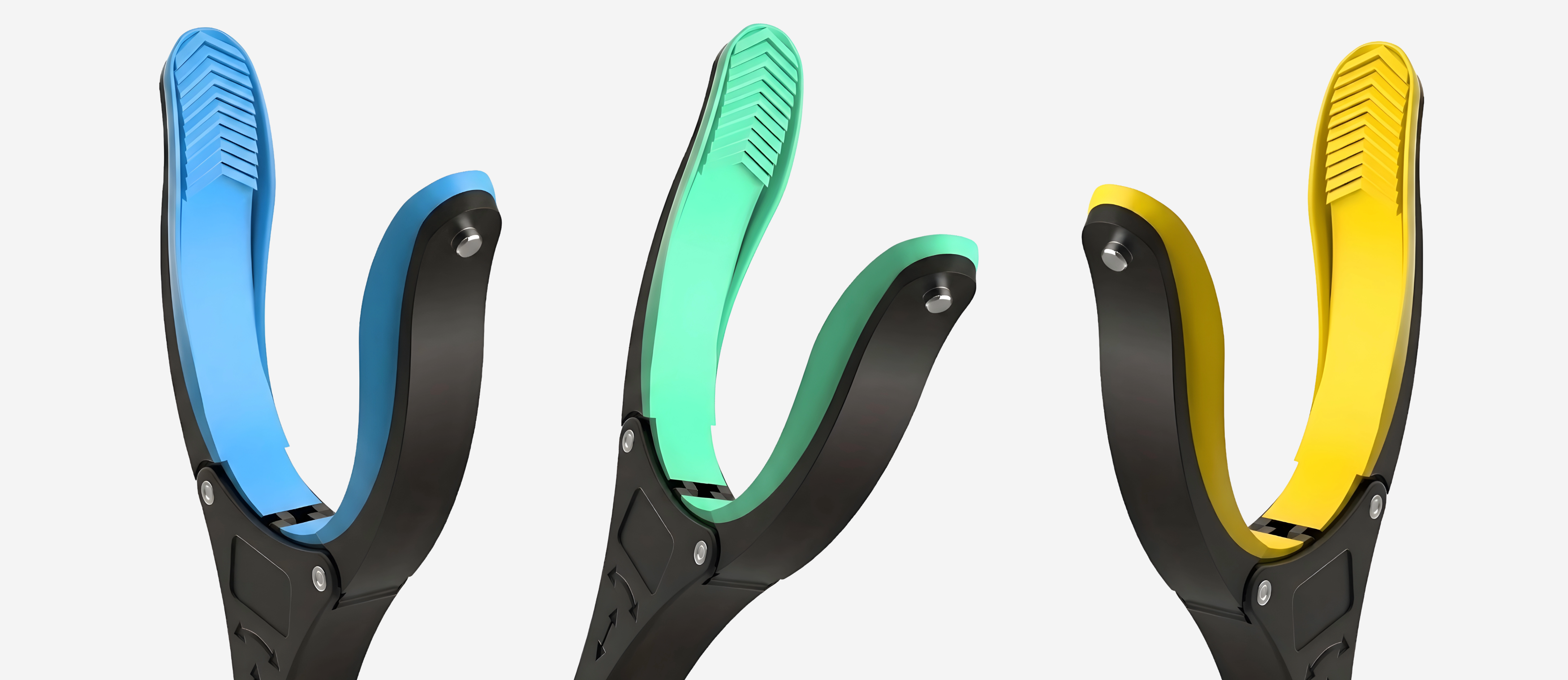
Direct answer: ME/CFS kitchen adaptive tools must reduce the total exertion cost of kitchen meal preparation to stay within the patient energy envelope and avoid triggering PEM. Every muscle effort saved in the kitchen directly translates to preserved energy for other daily activities or reduced PEM risk. The electric jar opener, electric can opener, seated cooking, and simplified meal planning are the core ME/CFS kitchen energy conservation toolkit. The GrabbersTool Electric Jar Opener eliminates the highest-effort single kitchen task (jar opening requires significant grip force) from the energy expenditure calculation.
ME/CFS Kitchen Energy Conservation Strategy
| ME/CFS Kitchen Principle | Application | Adaptive Tool or Strategy |
|---|---|---|
| Eliminate high-effort single tasks (large energy savings per task) | Manual jar opening is the highest-grip-force kitchen task; replacing it with the electric jar opener saves meaningful energy without reducing meal quality; identifying and eliminating the highest-unit-effort kitchen tasks provides the largest energy savings per change | Electric jar opener (GrabbersTool) -- eliminates the highest-grip-force kitchen task; electric can opener; food processor for chopping instead of manual knife work; assess each kitchen task by exertion cost and automate the most expensive ones first |
| Sit down for all kitchen preparation (reduces standing exertion) | Standing requires approximately 20% more energy than sitting; for ME/CFS patients where any exertion margin matters, standing at the kitchen counter for 30-minute meal preparation is a significant avoidable exertion; seated kitchen preparation preserves this energy for other priorities | Seated kitchen workstation (stool at counter height or lowered work surface); all kitchen prep tasks done seated; standing only for tasks that genuinely cannot be done seated; move frequently used items to counter height or seated-reachable level |
| Batch cooking on the highest-energy days | ME/CFS energy varies by day; cooking every day multiplies the daily exertion cost; cooking 2-3 days worth of food on a higher-energy day (while staying within that day envelope) and refrigerating or freezing reduces the total cooking exertion across the week | Slow cooker (hands-off batch cooking); large batch recipes; refrigerator and freezer storage for batch-prepared meals; meal prep day planning; avoid cooking on the worst ME/CFS days (rest and pre-prepared food only) |
| Reduce cognitive exertion of kitchen tasks | Recipe reading, measuring, timing, and multi-tasking are cognitively exerting; cognitive exertion triggers PEM as reliably as physical exertion in ME/CFS; complex recipes or new meal preparation uses more cognitive energy than a familiar simple recipe | Use the same simple familiar meals repeatedly (lower cognitive energy); written or printed recipe cards (reduce memory demand); single-timer simple timing (no multi-dish coordination); electric tools (electric jar opener) reduce the cognitive management of stuck jars |
See the Electric Jar Opener and adaptive kitchen collection for ME/CFS kitchen energy conservation.


