

Myalgic encephalomyelitis/chronic fatigue syndrome (ME/CFS) is a complex, chronic, multisystem disease characterized by profound fatigue and a hallmark feature -- post-exertional malaise (PEM): a worsening of symptoms following physical, cognitive, or emotional exertion that would previously have been tolerated, with the symptom exacerbation often delayed (hours to days after the exertion) and prolonged (lasting days, weeks, or longer). PEM is the cardinal and distinguishing feature of ME/CFS and fundamentally changes how activity must be approached. Other core features (per diagnostic criteria): substantial reduction in the ability to engage in pre-illness activities, unrefreshing sleep, and either cognitive impairment (brain fog) or orthostatic intolerance. Additional common symptoms: pain, sensory sensitivities, and immune-type symptoms. ME/CFS severity ranges from mild (reduced activity but ambulatory) to very severe (bedbound, requiring total care). ME/CFS often follows a viral or other infectious trigger. Critically, the management of ME/CFS is fundamentally different from deconditioning-based fatigue -- graded exercise (pushing through fatigue to build tolerance) is harmful in ME/CFS because it triggers PEM and can cause lasting deterioration. Instead, pacing (staying within the energy envelope to avoid triggering PEM) is the cornerstone management strategy. Kitchen function in ME/CFS is affected by profound fatigue (limiting all activity), PEM (kitchen exertion triggering symptom crashes), cognitive dysfunction (affecting kitchen task management and safety), and orthostatic intolerance (kitchen standing worsening symptoms). Kitchen tasks are a significant energy expenditure that must be carefully managed within the ME/CFS energy envelope.
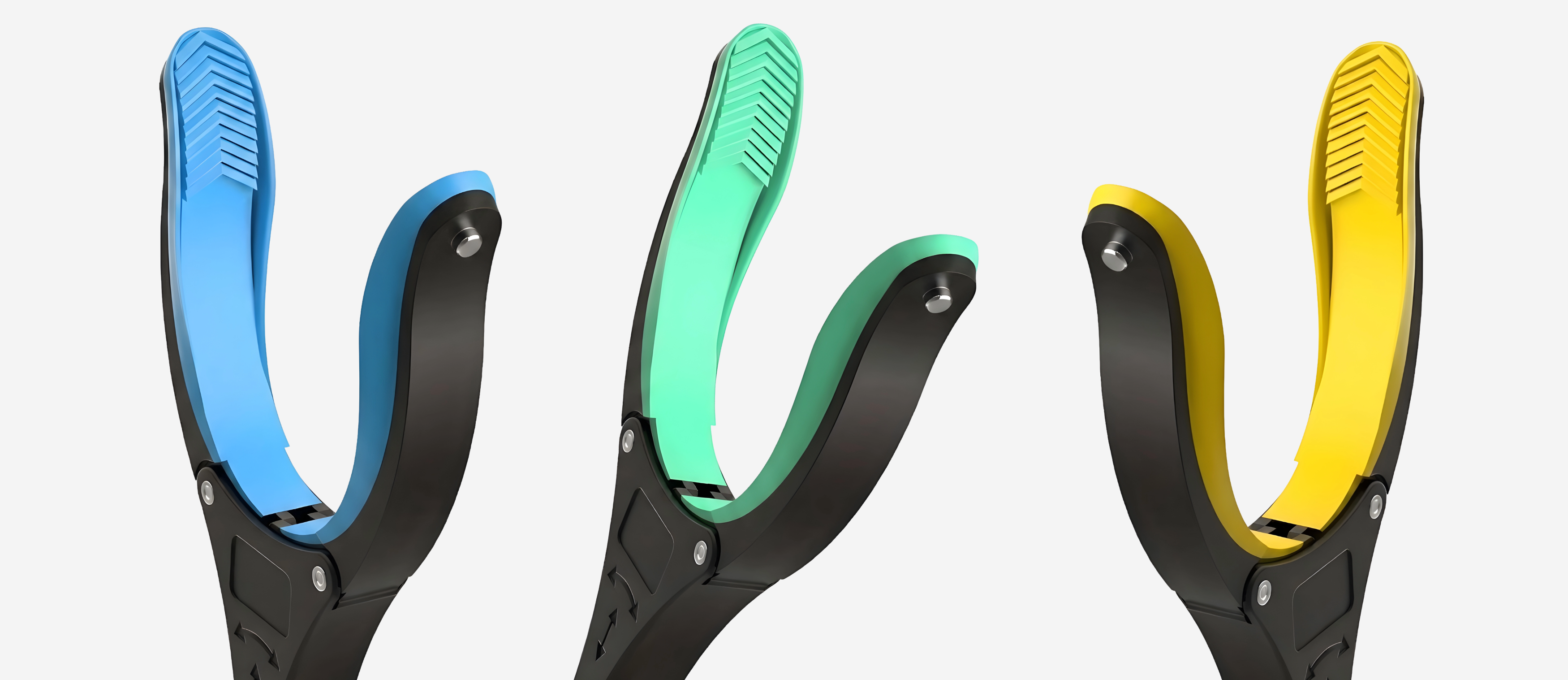
Direct answer: ME/CFS kitchen adaptive tools center on energy conservation and effort reduction to stay within the energy envelope and avoid post-exertional malaise: electric appliances, seated preparation, and minimizing kitchen exertion. The GrabbersTool Electric Jar Opener reduces the physical exertion of jar opening, helping ME/CFS patients conserve the limited energy that must be protected to avoid triggering PEM crashes.
ME/CFS Kitchen Adaptive Strategy
| ME/CFS Feature | Kitchen Impact | Adaptive Solution |
|---|---|---|
| Post-exertional malaise and the energy envelope | PEM is the defining ME/CFS challenge for kitchen function -- kitchen exertion (standing, lifting, reaching, sustained meal preparation) can trigger a delayed, prolonged symptom crash that leaves the patient far more debilitated for days or longer; the exertion threshold that triggers PEM is low and varies between patients and day to day; kitchen tasks that seem minor (preparing a meal) can exceed the ME/CFS energy envelope and cause a crash; the delayed nature of PEM means the patient may not feel the consequences until hours or days after the kitchen activity, making it hard to judge safe limits; unlike ordinary fatigue, ME/CFS energy cannot be pushed through or built up -- overexertion causes deterioration | Pacing is the essential ME/CFS kitchen strategy -- stay within the energy envelope to avoid triggering PEM: minimize kitchen exertion, break tasks into very small segments with rest, and stop before feeling depleted (not after); electric jar opener (GrabbersTool) and all electric appliances to reduce kitchen physical exertion; seated kitchen preparation always; extremely simplified meal preparation (minimal-effort meals, pre-prepared foods, one-step cooking); batch cooking is often not feasible in ME/CFS (the exertion triggers PEM); prioritize the lowest-energy meal options; for moderate-to-severe ME/CFS, caregiver meal preparation or delivery is often necessary as kitchen tasks exceed the safe energy envelope |
| Profound fatigue and orthostatic intolerance in the kitchen | ME/CFS profound fatigue limits all activity including kitchen tasks -- even simple meal preparation may be beyond the patient capacity on many days; orthostatic intolerance (worsening of symptoms when upright, common in ME/CFS) means kitchen standing worsens fatigue, cognitive symptoms, and lightheadedness -- the upright posture required for kitchen tasks is itself symptom-provoking; the combination of fatigue and orthostatic intolerance makes standing kitchen work particularly difficult; ME/CFS patients often function best lying down or reclining, positions incompatible with standard kitchen tasks; severity varies -- severe ME/CFS patients may be unable to do any kitchen tasks | Seated kitchen preparation is essential for ME/CFS orthostatic intolerance (avoid standing, which worsens symptoms); minimize upright kitchen time; slow cooker and one-step cooking to reduce upright kitchen work (load seated, then rest lying down while it cooks); pre-prepared and no-cook meal options; keep frequently used items within seated reach; electrolyte and fluid intake for orthostatic intolerance; for severe ME/CFS, kitchen tasks may need to be done entirely by caregivers; adaptive equipment reduces the exertion of necessary kitchen tasks; the goal is minimizing energy expenditure and upright time |
| Cognitive dysfunction and kitchen safety in ME/CFS | ME/CFS cognitive dysfunction (brain fog -- impaired concentration, memory, processing speed, and word-finding) affects kitchen task management and safety; brain fog worsens with exertion and as part of PEM; kitchen safety is affected (forgetting items on the stove, recipe sequencing errors, distraction during hazardous tasks); the cognitive exertion of complex kitchen tasks (planning, multi-step recipes) itself contributes to the total exertion that can trigger PEM (cognitive exertion causes PEM just as physical exertion does); ME/CFS patients must manage both the physical and cognitive energy cost of kitchen tasks | Kitchen simplification for ME/CFS brain fog and cognitive energy conservation: very simple recipes with minimal steps (reduce cognitive load); kitchen timers for all cooking (compensate for memory and reduce the cognitive burden of monitoring); one simple task at a time; avoid complex meal planning and multi-step recipes (both the cognitive exertion and the physical exertion contribute to PEM risk); prepared and simple foods that require minimal cognitive and physical effort; slow cooker for low-attention cooking; kitchen safety awareness during brain fog; caregiver support for meal preparation during severe periods; recognize that cognitive kitchen exertion counts toward the PEM-triggering energy envelope |
See the Electric Jar Opener for ME/CFS kitchen energy conservation and effort reduction support.


