

Chronic low back pain (persisting beyond 12 weeks) is one of the most common and disabling conditions worldwide, affecting a large proportion of adults at some point. Chronic low back pain has many causes and contributors: degenerative disc disease and facet joint arthritis (age-related spinal degeneration -- very common), muscle and ligament strain and deconditioning, disc herniation, spinal stenosis, spondylolisthesis, and in some cases specific pathology (though most chronic low back pain is non-specific -- without a single identifiable structural cause). Chronic low back pain often involves a combination of nociceptive (tissue) and, in some cases, neuropathic and central sensitization components, and is influenced by physical, psychological, and social factors (the biopsychosocial model). The pain is commonly aggravated by certain movements and positions: forward bending (lumbar flexion -- loading the discs and structures), lifting (especially with bending and twisting), prolonged standing, prolonged sitting, and sustained postures. Kitchen function in chronic low back pain is significantly affected because the kitchen involves many back-aggravating activities: bending forward (reaching low cabinets, the floor, loading the dishwasher -- lumbar flexion aggravates back pain), lifting (pots, groceries -- loading the spine), prolonged standing (at counters and stoves -- aggravating back pain), and sustained postures. Reducing the bending, lifting, and prolonged standing strain during kitchen tasks supports back pain management and function. Chronic low back pain management emphasizes staying active, exercise, and self-management (avoiding both excessive rest and aggravating overload).
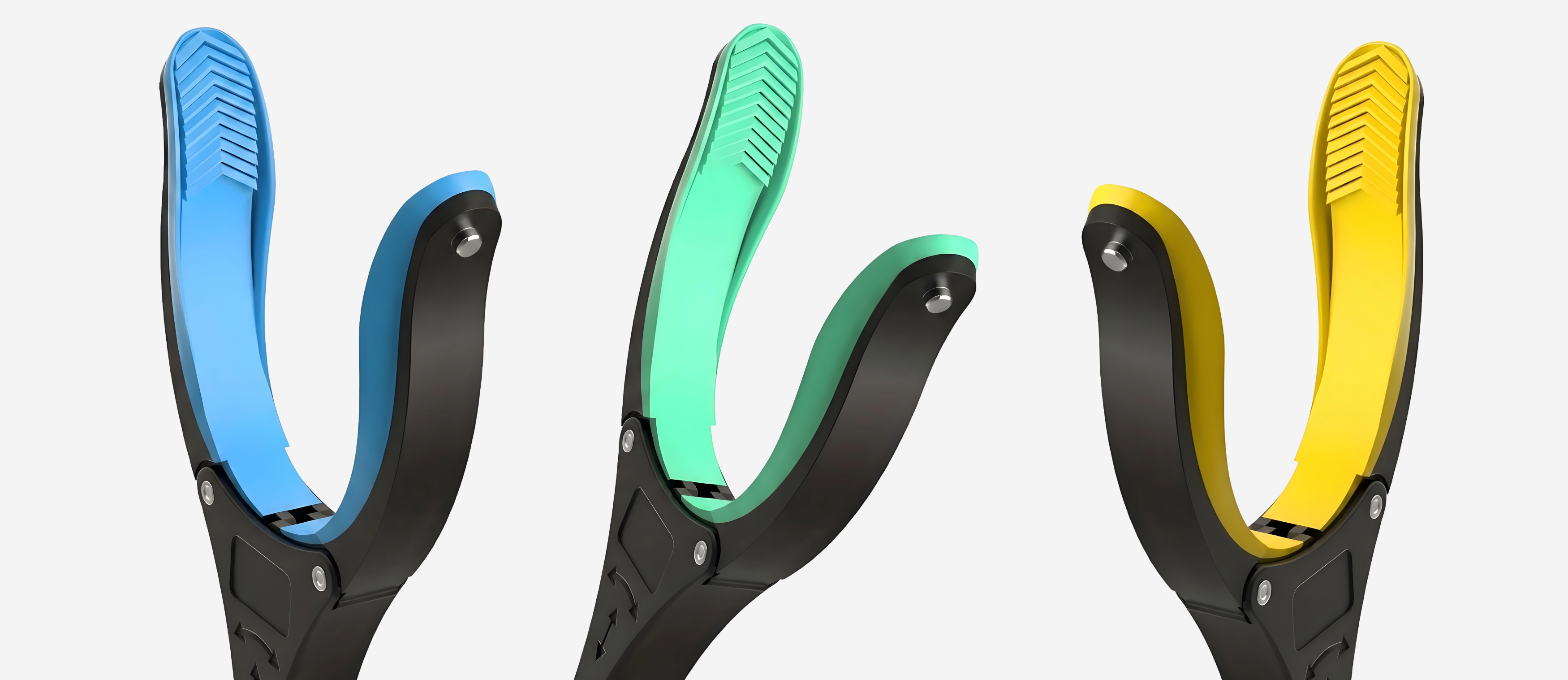
Direct answer: Chronic low back pain kitchen adaptive tools reduce the bending, lifting, and prolonged standing that aggravate back pain: reachers to retrieve low items without bending, lightweight and load-reduction strategies, and kitchen seating. The GrabbersTool 32-inch Reacher retrieves low and floor-level kitchen items without the forward lumbar flexion that aggravates chronic low back pain.
Chronic Low Back Pain Kitchen Adaptive Strategy
| Back Pain Aggravator | Kitchen Impact | Adaptive Solution |
|---|---|---|
| Forward bending and lumbar flexion | Forward bending (lumbar flexion) is a common aggravator of chronic low back pain -- bending forward and down to reach low kitchen cabinets, retrieve floor-level items, load and unload low dishwasher racks, and reach into low ovens and refrigerator drawers involves the lumbar flexion that loads the spine and aggravates back pain; repeated bending during kitchen tasks accumulates back strain; the forward bending is a frequent and modifiable back pain aggravator in the kitchen; reducing the bending reduces the back strain and pain during kitchen activities | Reacher grabber (GrabbersTool 32-inch) to retrieve low, floor-level, and low-cabinet kitchen items without the forward lumbar flexion that aggravates chronic low back pain -- a key back-strain-reduction tool; kitchen reorganization to place frequently used items at accessible waist-to-shoulder height (reducing low bending); avoid repeated forward bending kitchen tasks; proper body mechanics (hip and knee bending, keeping the back neutral, when bending is unavoidable); the reacher reduces the bending strain that aggravates back pain during kitchen tasks |
| Lifting and spinal loading | Lifting (especially with bending and twisting) aggravates chronic low back pain -- lifting kitchen pots, pans, groceries, and heavy items loads the spine and can provoke back pain, particularly when combined with bending or twisting (the highest-risk movement pattern); carrying heavy kitchen items sustains the spinal load; the lifting and carrying strain aggravates back pain during kitchen tasks; reducing the lifting load and avoiding the bend-and-twist-with-lift pattern reduces the back strain | Reduce kitchen lifting and spinal loading (fill pots with a measuring cup rather than lifting when full; use lightweight cookware; slide items along counters rather than lifting; use a wheeled cart to transport items; ask for help with heavy items; prepare smaller quantities); avoid the bend-and-twist-with-lift movement pattern (face items directly, avoid twisting while lifting); proper lifting mechanics (lift with the legs, keep the load close, avoid twisting); the load-reduction strategies reduce the lifting strain that aggravates back pain |
| Prolonged standing, posture, and back pain management | Prolonged standing (and prolonged sitting) aggravate chronic low back pain -- prolonged kitchen standing at counters and stoves sustains postural back strain and aggravates the pain; sustained static postures during kitchen tasks contribute to back pain; the standing tolerance is reduced by the back pain; chronic low back pain management emphasizes staying active (avoiding excessive rest, which worsens deconditioning), exercise (core strengthening, general fitness), maintaining function, pacing activity, and self-management; the goal is to remain active and functional while managing the pain and avoiding aggravating overload | Manage prolonged kitchen standing (use a kitchen stool or perch to alternate sitting and standing, reducing sustained standing back strain; anti-fatigue mat for standing comfort; take breaks and change positions); a supportive standing posture and possibly a foot rest (alternating one foot on a low step can reduce standing back strain); stay active and maintain function (chronic low back pain benefits from staying active, not excessive rest); pacing kitchen activity; core strengthening and general exercise (physical therapy) for back pain management; the seated preparation and position variation reduce the prolonged standing strain; the adaptive tools support staying functional and active while managing chronic low back pain |
See the 32-inch Reacher for chronic low back pain kitchen bending and strain reduction support.


