

College students and young adults with disabilities -- from a range of conditions including juvenile idiopathic arthritis, cerebral palsy, spina bifida, muscular dystrophy, spinal cord injury, chronic illness, and many others -- often transition to independent living (in dorms, apartments, and their own spaces) during this life stage, and kitchen independence is an important part of this transition. Many young adults with disabilities are managing their own meal preparation and kitchen tasks for the first time as they move away from home and family support, and adaptive tools and strategies help them establish kitchen independence. The transition to independent living presents specific considerations for young adults with disabilities: managing kitchen tasks independently for the first time (without the family support they may have relied on), often in kitchen spaces not designed for their needs (dorm and apartment kitchens), while also managing the demands of college and young adult life. Adaptive tools and strategies help young adults with disabilities establish kitchen independence -- the adaptive tools that address their specific condition limitations (reachers, electric jar openers, and other tools -- as covered in the condition-specific guides), combined with strategies for setting up an accessible kitchen in their living space and managing meal preparation as a busy student. This guide covers kitchen independence for college students and young adults with disabilities -- combining the adaptive tools for their condition with strategies for the transition to independent living. The adaptive tools and strategies support young adults with disabilities in establishing kitchen independence as they transition to living on their own. Occupational therapy (including transition-focused OT) can help young adults with disabilities develop kitchen and independent living skills.
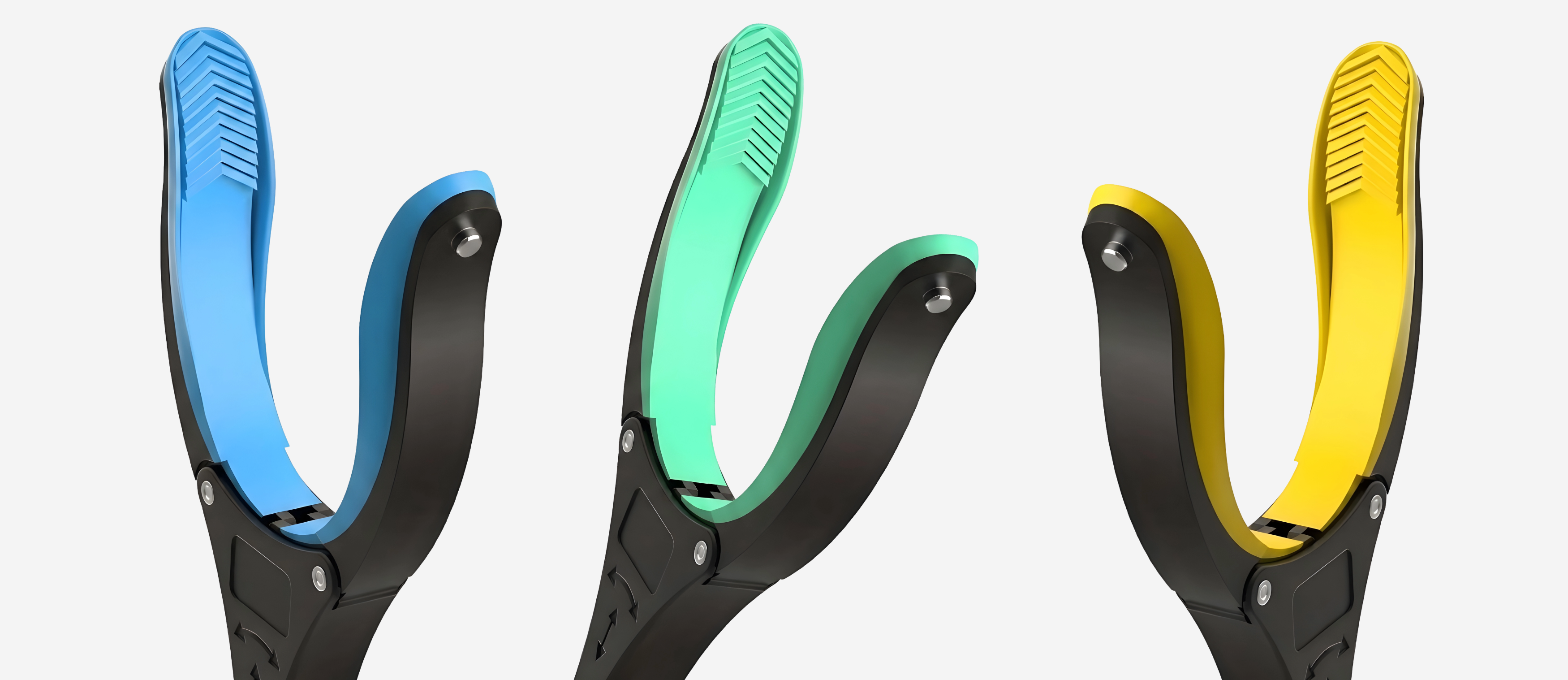
Direct answer: College students and young adults with disabilities benefit from adaptive tools for their specific condition (reachers, electric jar openers, and others) combined with strategies for setting up an accessible kitchen in their living space and managing meal preparation as a busy student. The GrabbersTool Electric Jar Opener and 32-inch Reacher support young adults with disabilities in establishing kitchen independence.
College Students with Disabilities Kitchen Independence Guide
| Consideration | Kitchen Impact | Adaptive Strategy |
|---|---|---|
| Managing kitchen tasks independently for the first time | Young adults with disabilities transitioning to independent living often manage their own kitchen tasks for the first time -- without the family support they may have relied on at home; establishing kitchen independence involves learning to perform the kitchen tasks with their condition, and having the right adaptive tools and strategies; the first-time independent kitchen management, with their condition, is a key part of the transition; the young adult develops the kitchen skills and independence; the adaptive tools and strategies enable the young adult to manage kitchen tasks independently | Adaptive tools for the young adult specific condition (the electric jar opener -- GrabbersTool -- for grip limitations; the reacher -- GrabbersTool -- for reach limitations; and the tools for the specific condition -- see the condition-specific guides, such as the [[adaptive-tools-juvenile-idiopathic-arthritis-adults-kitchen-independence]] guide); learning the kitchen skills and adaptive techniques (occupational therapy, including transition-focused OT, helps develop the kitchen and independent living skills); the adaptive tools and skill development enable the young adult to manage kitchen tasks independently; the tools matched to their condition support the first-time independent kitchen management |
| Setting up an accessible kitchen in the living space | Young adults with disabilities often live in kitchen spaces not designed for their needs (dorm and apartment kitchens -- which may have accessibility barriers and are not set up for their condition); setting up an accessible kitchen in their living space (within the constraints of a dorm or rental) helps their kitchen function; the kitchen setup (organization, adaptive tools, and any feasible modifications) supports the young adult kitchen independence in their space; adapting the available kitchen space to their needs is part of establishing independence; the accessible setup in the living space supports the kitchen function | Set up an accessible kitchen in the living space (organize the kitchen for accessibility -- items within reach; bring adaptive tools -- reacher, electric jar opener, and the tools for their condition; use portable adaptive equipment suited to dorm and apartment kitchens; and any feasible modifications within the constraints of the space); accessibility resources at colleges (disability services can help with accessible housing and accommodations); the accessible kitchen setup in the living space supports the young adult kitchen independence; see the related [[how-to-set-up-accessible-kitchen-adaptive-guide]] guide; the setup adapts the available space to their needs |
| Managing meal preparation as a busy student and independence support | Young adults with disabilities manage meal preparation alongside the demands of college and young adult life (a busy schedule, studying, and activities) -- balancing the meal preparation with the other demands, and managing any fatigue or energy limitations from their condition alongside the busy life; efficient and manageable meal preparation helps; the combination of the busy student life and their condition affects the meal preparation; strategies for manageable meal preparation as a busy student help; the combination of adaptive tools, accessible setup, and manageable meal strategies supports the young adult kitchen independence and their transition to independent living | Manageable meal preparation strategies for a busy student (simple, quick meals; batch cooking during less busy periods; energy conservation for any fatigue -- balancing the meal preparation with the busy life and the condition; and efficient kitchen routines); the manageable strategies help balance the meal preparation with the busy student life and the condition; the combination of the adaptive tools (for the condition), the accessible kitchen setup (in the living space), and the manageable meal strategies (for the busy student life) supports the young adult kitchen independence; occupational therapy (transition-focused) for kitchen and independent living skills; college disability services for accommodations; the support enables young adults with disabilities to establish kitchen independence as they transition to independent living |
See the Electric Jar Opener and 32-inch Reacher for college students and young adults with disabilities kitchen independence support.


