

Complex regional pain syndrome (CRPS, formerly reflex sympathetic dystrophy) affecting the upper limb is a chronic pain condition, typically developing after an injury, surgery, fracture, or immobilization of the arm or hand, with pain disproportionate to the inciting event. CRPS involves peripheral and central sensitization, inflammatory, and autonomic mechanisms. The upper limb clinical features (per the Budapest criteria) include: sensory abnormalities (severe burning pain; hyperalgesia -- increased pain from painful stimuli; and allodynia -- pain from normally non-painful stimuli such as light touch, temperature, or clothing and object contact); vasomotor changes (skin temperature and color asymmetry); sudomotor and edema changes (hand swelling and abnormal sweating); and motor and trophic changes (reduced range of motion, weakness, tremor, and hair, nail, and skin changes). The allodynia of upper limb CRPS is particularly disabling for kitchen function -- even the light touch of holding a utensil, the contact of a jar or pot, or temperature changes can trigger severe hand pain. Upper limb CRPS profoundly affects kitchen function because the severe pain, allodynia (making any contact with kitchen items painful), swelling, reduced range of motion, and temperature sensitivity (both cold and heat triggering pain) make kitchen tasks with the affected hand extremely difficult. Management is multidisciplinary (pain management, physical and occupational therapy for desensitization and function maintenance, medications, and interventional procedures).
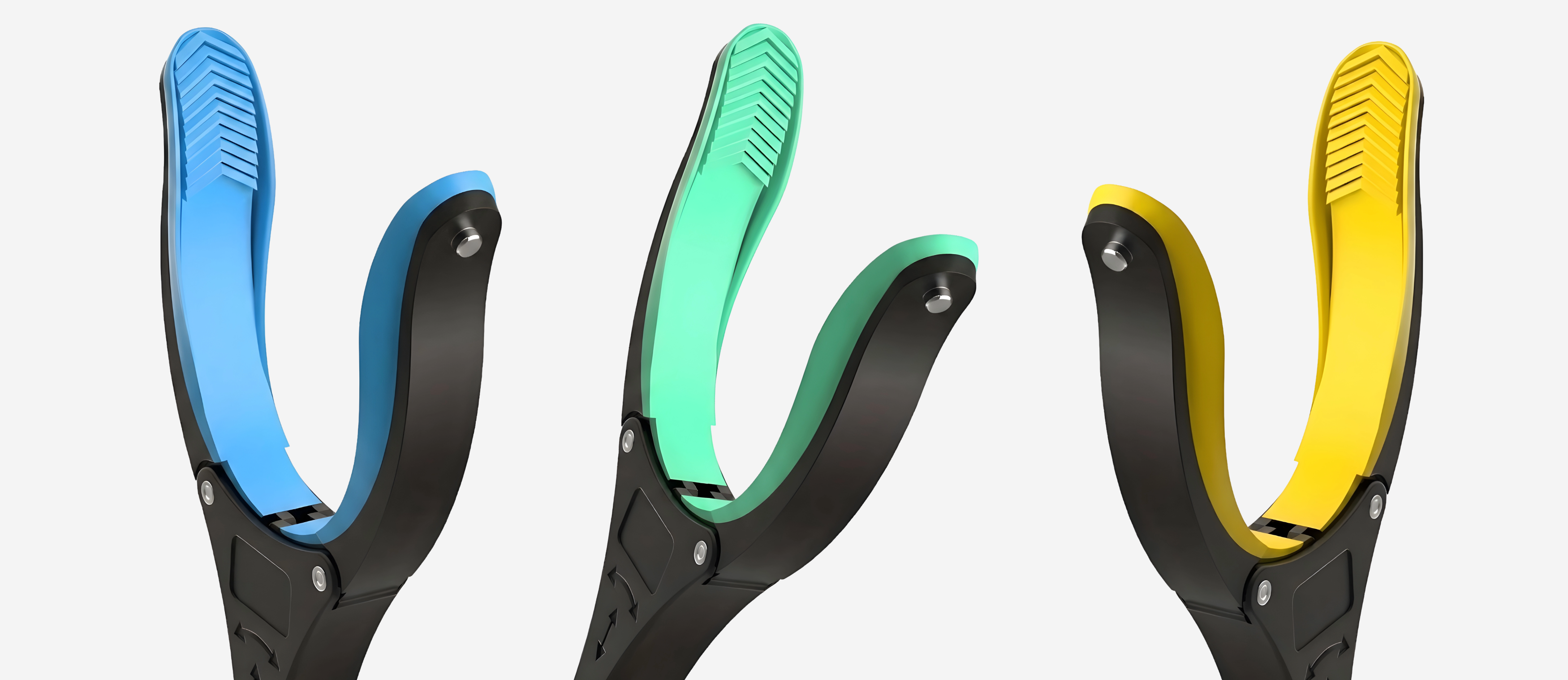
Direct answer: Upper limb CRPS kitchen adaptive tools address severe pain and allodynia in the affected hand: tools minimizing painful contact and force, one-handed accommodations using the unaffected arm, and temperature protection. The GrabbersTool Electric Jar Opener helps upper limb CRPS patients by eliminating the grip, force, and contact of jar opening that the affected hand allodynia and pain make intolerable, and enables one-handed opening with the unaffected arm.
Upper Limb CRPS Kitchen Adaptive Strategy
| CRPS Feature | Kitchen Impact | Adaptive Solution |
|---|---|---|
| Severe pain and allodynia affecting the CRPS hand in the kitchen | Upper limb CRPS severe pain and allodynia make using the affected hand for kitchen tasks extremely difficult -- gripping kitchen items, using utensils, and any contact or force provoke severe pain; allodynia means even light contact (holding a utensil, touching a cool or warm item, the contact of any object) triggers intense pain; the affected hand may be too painful to use for kitchen tasks; the patient often guards the affected hand, further limiting its use; kitchen tasks with the affected hand may be intolerable due to the pain and allodynia; the disproportionate severe pain is the defining CRPS challenge | Electric jar opener (GrabbersTool) to eliminate the grip, force, and contact of jar opening that CRPS hand pain and allodynia make intolerable; use the unaffected arm for kitchen tasks (one-handed adaptive tools -- stabilizing cutting boards, etc.); minimize painful contact with the affected hand; lightweight, easy-grip tools if the affected hand is used at all; adaptive tools reducing the contact and force the affected hand must tolerate; importantly, occupational therapy for CRPS includes graded desensitization and function maintenance -- balance protecting the hand from pain with the therapeutic need to maintain movement (per the CRPS team, complete disuse can worsen CRPS) |
| Temperature sensitivity, swelling, and range of motion | CRPS temperature sensitivity means both cold and heat can trigger pain in the affected hand -- the kitchen has temperature triggers (cold refrigerator and freezer, cold water, hot stoves, hot water, and warm items) that provoke CRPS pain; hand swelling (edema) affects grip and function; reduced range of motion (from pain, guarding, and disuse) limits the affected hand use for kitchen tasks (reaching, gripping, manipulation); the vasomotor changes make the hand sensitive to environmental temperature; the combination compounds the pain-related limitation of the affected hand in the kitchen | Temperature protection for the CRPS hand in the kitchen (avoid the cold refrigerator/freezer and cold water contact and hot items with the affected hand; manage kitchen temperature exposure); use the unaffected arm for temperature-related kitchen tasks (handling cold and hot items); adaptive tools accommodating swelling and reduced range of motion (easy-grip tools, reduced reach requirements); the CRPS treatment team guides desensitization and range of motion maintenance -- kitchen tasks may be incorporated into therapy as tolerated; balance temperature protection with the therapeutic desensitization program |
| Chronic CRPS management and comprehensive kitchen support | Upper limb CRPS is often chronic and disabling, with significant impact on hand function and daily activities; the multidisciplinary management (pain management, physical and occupational therapy, medications -- including neuropathic pain agents, and interventional procedures like sympathetic blocks or spinal cord stimulation for refractory cases) aims to reduce pain and maintain function; the chronic nature means long-term adaptive kitchen strategies may be needed; psychological support is often part of CRPS care given the impact of chronic severe pain; maintaining the affected hand function (within the desensitization program) is important to prevent the worsening that complete disuse can cause | For chronic upper limb CRPS, long-term adaptive kitchen strategies to maintain function while managing pain (electric jar opener, one-handed adaptive tools, temperature protection); multidisciplinary CRPS management (pain management, physical and occupational therapy, medications, interventional procedures) is essential; occupational therapy for CRPS-specific kitchen function, desensitization, and adaptive strategies (kitchen tasks may be part of the graded function program); the comprehensive, individualized approach balances pain management, function maintenance, and adaptive support; the adaptive tools enable kitchen participation while respecting the pain and supporting the therapeutic goals |
See the Electric Jar Opener for upper limb CRPS kitchen pain and allodynia support.


