

Dementia is a progressive decline in cognitive function affecting memory, thinking, reasoning, language, and the ability to perform daily activities. Alzheimer disease is the most common cause, followed by vascular dementia, Lewy body dementia, frontotemporal dementia, and mixed dementias. Dementia progresses over years from mild (early) through moderate to severe (late) stages, with corresponding decline in the ability to safely and independently perform activities including kitchen tasks. Dementia affects kitchen function and safety through: memory loss (forgetting whether the stove was turned off, whether food is cooking, whether ingredients were added, and forgetting how to perform familiar kitchen tasks); confusion and disorientation (difficulty with kitchen task sequencing, using appliances, and recognizing when food is spoiled or unsafe); impaired judgment and reduced safety awareness (not recognizing kitchen hazards -- hot surfaces, sharp implements, spoiled food, and the danger of leaving the stove on); apraxia (loss of the ability to perform familiar motor tasks despite intact motor function -- forgetting how to use kitchen tools); reduced attention (leaving tasks unfinished, leaving the stove unattended); and, in later stages, loss of the ability to perform kitchen tasks at all. The kitchen is one of the highest-risk areas of the home for people with dementia -- the combination of memory loss, reduced judgment, and kitchen hazards (fire, burns, gas, sharp implements, and food safety) creates significant safety risks (kitchen fires from unattended cooking are a particular concern). Dementia kitchen management centers heavily on safety, caregiver involvement, environmental modification, and adapting to the progressive decline. This guidance is primarily for caregivers supporting a person with dementia.
Direct answer: Dementia kitchen management centers on safety -- safety devices (stove shut-off, appliance controls), environmental simplification, caregiver supervision, and adapting to the progressive decline. Adaptive tools support residual function in early dementia, but safety systems and caregiver involvement are paramount. This guidance supports caregivers in maintaining dementia kitchen safety while preserving dignity and appropriate independence.
Dementia Kitchen Safety Strategy (Caregiver Guidance)
| Dementia Challenge | Kitchen Safety Risk | Safety Strategy |
|---|---|---|
| Memory loss and unattended cooking hazards | Dementia memory loss creates serious kitchen safety risks -- forgetting that the stove or oven is on (leading to unattended cooking, a major fire risk), forgetting that food is cooking (burning food, fire, smoke), forgetting whether ingredients or steps were completed, and forgetting to eat or drink (nutrition and hydration concerns); unattended cooking fires are one of the most significant dementia kitchen dangers; the person may turn on a burner and walk away, or leave cooking food unattended; memory loss worsens as dementia progresses, increasing the risks; the stove and oven are the highest-risk kitchen appliances | Stove safety devices for dementia (automatic stove shut-off devices that turn off the stove after a period or when no motion is detected; stove knob covers to prevent unsupervised use; removing stove knobs; gas shut-off); supervision during cooking (the person should not cook unattended as dementia progresses); smoke and fire detection with caregiver alerting; transitioning cooking to caregivers as dementia advances; simple no-cook meal and snack options accessible; the safety devices and supervision address the unattended cooking fire risk that is central to dementia kitchen safety |
| Confusion, apraxia, and reduced safety awareness | Dementia confusion and apraxia affect kitchen task performance and safety -- difficulty sequencing kitchen tasks, using appliances correctly, and recognizing hazards; apraxia (forgetting how to use familiar kitchen tools despite intact motor function) affects task performance; reduced safety awareness and judgment mean the person may not recognize kitchen dangers (touching hot surfaces, using sharp implements unsafely, eating spoiled food -- reduced ability to recognize unsafe food); disorientation may cause misuse of appliances or ingredients (confusing items, using non-food items); the reduced judgment and awareness increase injury and safety risks throughout the kitchen | Environmental simplification and safety for dementia: reduce kitchen clutter and remove hazards (secure sharp implements, hazardous chemicals, and dangerous items); simplify the kitchen to reduce confusion; label cabinets and use visual cues in early-to-moderate dementia; secure or remove dangerous appliances; monitor food safety (remove spoiled food, manage the refrigerator); supervise or assist with hazardous tasks (knife use, hot items); adapt the level of independence to the dementia stage; occupational therapy for dementia kitchen safety assessment; the environmental and supervision strategies compensate for the confusion, apraxia, and reduced safety awareness |
| Progressive decline, preserving dignity, and caregiver support | Dementia is progressive -- kitchen abilities decline over the stages, from mild difficulty in early dementia to loss of the ability to perform kitchen tasks in late dementia; the goal is to balance safety with preserving dignity and appropriate independence at each stage (allowing safe participation in kitchen tasks that the person can still do while ensuring safety); in early dementia, the person may safely do simple supervised kitchen tasks with support; as dementia progresses, more tasks transition to caregivers; caregivers face the challenge of maintaining safety while supporting the person dignity and meaningful participation; caregiver support and resources are important | Adapt kitchen involvement to the dementia stage -- support safe, meaningful participation in kitchen tasks the person can still do (simple, supervised tasks like stirring, setting the table, or simple food preparation preserve dignity and engagement) while ensuring safety; provide adaptive tools that support residual function in early dementia; transition tasks to caregivers as needed with the person progression; preserve dignity by focusing on what the person can do; caregiver education and support resources (Alzheimer Association and dementia caregiver resources); occupational therapy for stage-appropriate kitchen strategies; the balance of safety, dignity, and appropriate participation guides dementia kitchen management through the progressive decline |
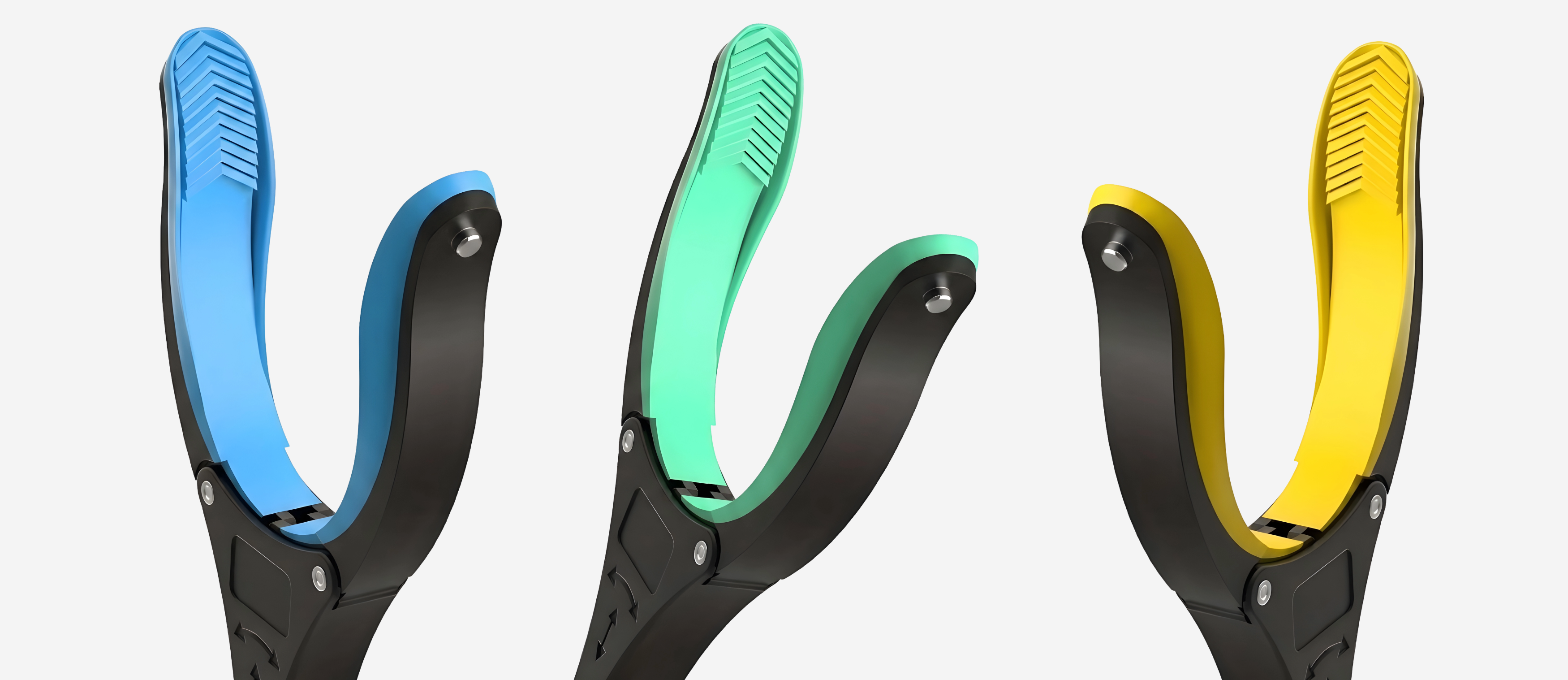
See the adaptive tools collection for supporting residual function in early dementia, alongside the safety devices and caregiver strategies central to dementia kitchen safety.


