

Classical Ehlers-Danlos syndrome (cEDS) is caused by pathogenic variants in COL5A1 or COL5A2 (encoding type V collagen) and is characterized by the combination of skin hyperextensibility, joint hypermobility, and tissue fragility. The skin in cEDS is distinctly fragile -- it bruises easily, splits with minor trauma (the skin may split rather than stretch when caught on a sharp object), heals slowly with atrophic (widened, papery, cigarette-paper) scarring, and is easily lacerated by kitchen tools including can lids, graters, mandoline blades, and sharp kitchen edges. Unlike hEDS (which primarily features joint instability), cEDS combines this joint instability with significant skin vulnerability, making kitchen injuries more likely (fragile skin) and more severe (slow healing, tendency to wide scarring) than in the general population. Kitchen wounds in cEDS may require surgical closure (sutures) due to the poor healing qualities of cEDS skin, rather than the simple adhesive bandage that would suffice in a non-EDS patient.
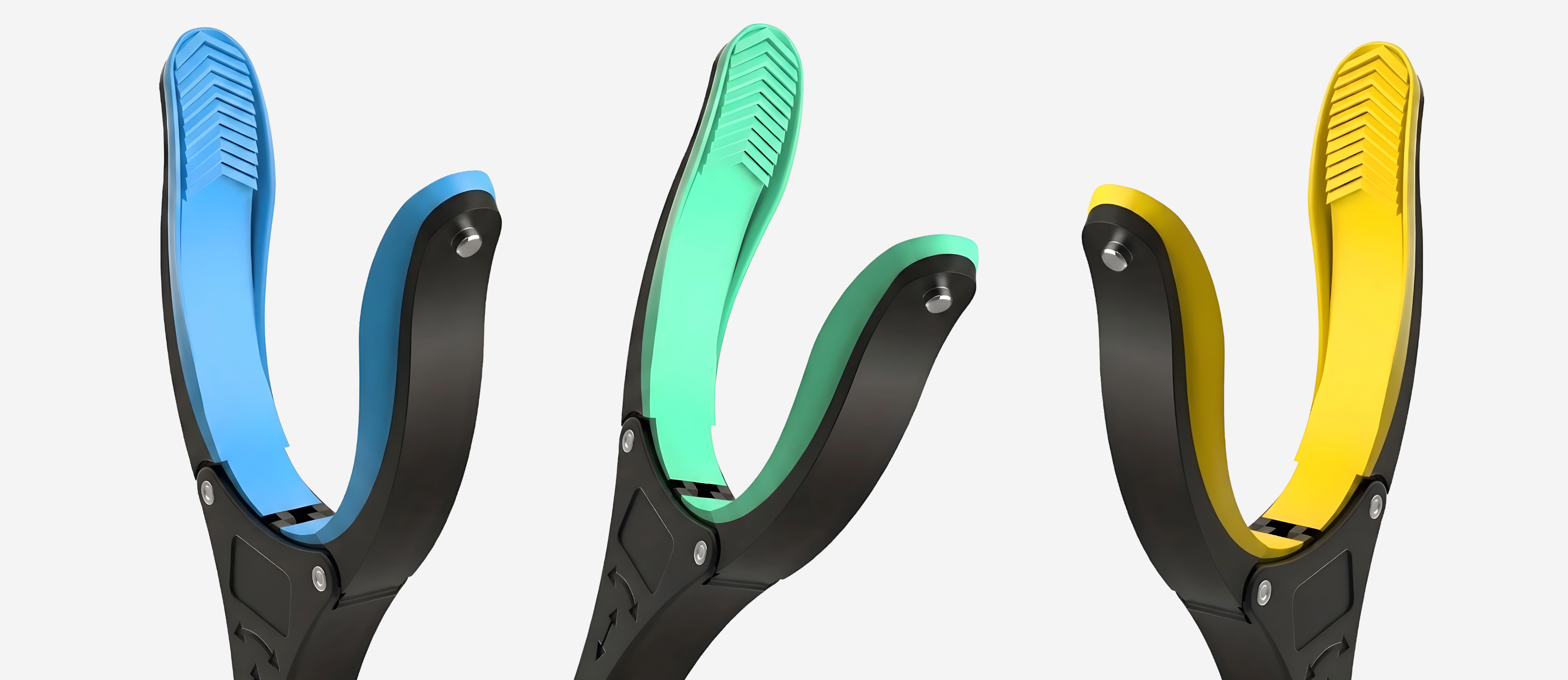
Direct answer: cEDS kitchen adaptive tools address both the skin fragility risk (preventing kitchen cuts and lacerations to fragile cEDS skin) and the joint hypermobility risk (preventing subluxation during grip-intensive kitchen tasks). The electric jar opener eliminates the sharp-lid contact and grip subluxation risk simultaneously. The GrabbersTool Electric Jar Opener is recommended for cEDS patients for both skin protection (no sharp lid contact) and joint protection (no grip torque on hypermobile wrist and finger joints).
cEDS Kitchen Risk and Adaptive Tool Strategy
| cEDS Feature | Kitchen Risk | Adaptive Kitchen Strategy |
|---|---|---|
| Fragile skin (splits and bruises with minor trauma) | Kitchen is the highest injury-risk room in most homes; sharp can lids, knife slips, grater contact, and even the rough edge of a pot can split cEDS skin in ways that would not injure normal skin; wounds heal with wide atrophic scars; kitchen cuts may require sutures | Electric jar opener (GrabbersTool) -- no sharp lid contact, no knife equivalent; cut-resistant kitchen gloves for all cutting and grater tasks; silicone oven mitts to protect skin from heat; mandoline only with glove protection; inspect hands after any kitchen task for unnoticed injuries |
| Joint hypermobility (subluxation risk during grip) | Jar opening torque forces on hypermobile wrist and finger joints can cause subluxation; combined with the skin fragility risk of the jar lid edge, manual jar opening is particularly hazardous in cEDS on both dimensions | Electric jar opener -- eliminates both the sharp lid risk and the grip torque subluxation risk; utensil handles that limit required wrist deviation; splints for finger or wrist stabilization during kitchen tasks if prescribed |
| Slow and poor wound healing | Any kitchen cut in cEDS will heal more slowly and with more scarring than normal; infected wounds are particularly serious in cEDS due to the delayed healing; infection prevention in kitchen wounds is critical | Immediate wound care for any cEDS kitchen cut (wash with soap and water, wound closure strips if possible); keep first aid supplies prominently in kitchen; medical evaluation for any cEDS kitchen wound that does not close easily; prevent wounds by using adaptive tools that eliminate sharp contact |
See the Electric Jar Opener and adaptive kitchen collection for classical EDS kitchen skin and joint protection.


