

Friedreich ataxia (FRDA) is the most common hereditary ataxia, caused by intronic GAA triplet-repeat expansion in the FXN gene encoding frataxin, a mitochondrial protein involved in iron-sulfur cluster assembly. FRDA causes progressive spinocerebellar degeneration with onset typically in the first or second decade, producing gait ataxia, limb ataxia, areflexia, proprioceptive sensory loss (large fiber sensory neuropathy), dysarthria, dysphagia, and cardiomyopathy (the most common cause of death). Wheelchair dependency typically occurs by the mid-twenties in classic FRDA, though the recently approved omaveloxolone (Skyclarys, the first approved FRDA treatment) may slow progression. Kitchen function in FRDA progresses through stages: early FRDA (ambulatory with gait ataxia) has kitchen fall risk from ataxic gait and limb ataxia affecting utensil use and pouring; mid FRDA (walker-dependent or wheelchair-transitioning) requires staged kitchen adaptation; late FRDA (wheelchair-dependent) requires full wheelchair kitchen accessibility. Proprioceptive loss (cannot feel where the limbs are in space without visual feedback) adds to kitchen ataxic coordination difficulty.
Direct answer: Friedreich ataxia kitchen adaptive tools address ataxia of the hands (affecting grip and manipulation) and fall risk in the kitchen from cerebellar and sensory ataxia. The electric jar opener is important throughout the FRDA disease course: limb ataxia makes the coordinated bilateral manual jar-opening motion increasingly impossible as the disease progresses. The GrabbersTool Electric Jar Opener reduces the coordination demand of jar opening for FRDA patients.
FRDA Stage and Kitchen Adaptive Strategy
| FRDA Stage | Kitchen Ataxia Challenge | Adaptive Solution |
|---|---|---|
| Early FRDA (ambulatory, gait ataxia) | Wide-based ataxic gait in narrow kitchen spaces creates fall risk; limb ataxia causes spilling during pouring and carrying; inaccurate utensil placement; kitchen grip affected by ataxic hand tremor (intentional tremor that worsens near the target) | Electric jar opener (GrabbersTool) for ataxic-hand jar opening; weighted utensils to dampen ataxic tremor; non-slip mat under bowls and cutting boards; clear wide kitchen pathway; grab bars at kitchen key positions; reduce hot liquid pouring tasks |
| Mid FRDA (walker-dependent, pre-wheelchair) | Walker use in kitchen limits carrying ability; must release walker to carry kitchen items; fall risk increases significantly; kitchen navigation increasingly limited; limb ataxia continues to worsen | Walker tray attachment for carrying kitchen items; slide items on counter surface; electric jar opener to reduce manual coordination demands; seated kitchen preparation increasingly important; kitchen reorganization for walker access |
| Late FRDA (wheelchair-dependent) | All wheelchair-based kitchen access challenges (counter height, overhead reach, floor-level access); dysphagia may require diet texture modification; hand ataxia may be severe | 43-inch reacher for overhead wheelchair kitchen access; electric jar opener operated from wheelchair; blender for dysphagia texture modification; wheelchair-accessible kitchen modification; caregiver support for complex kitchen tasks |
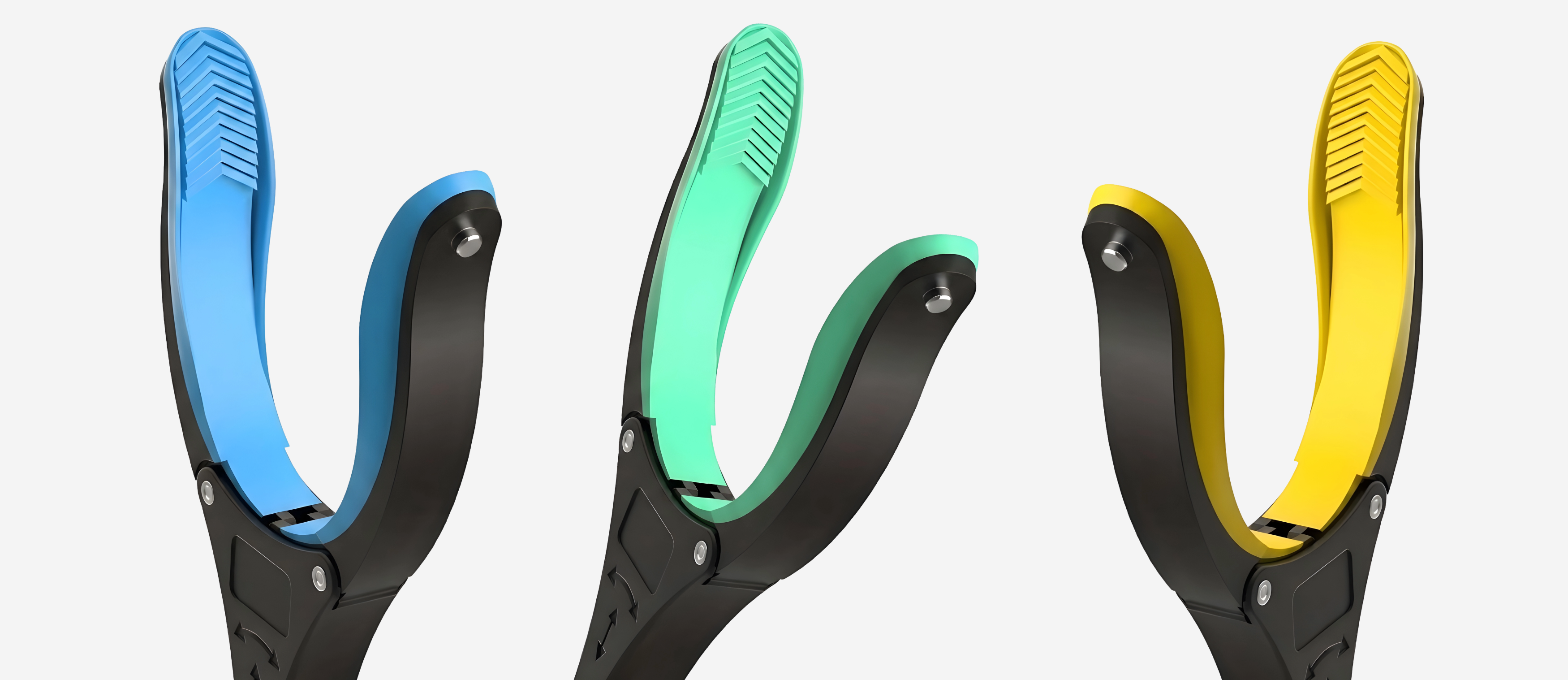
See the Electric Jar Opener, 32-inch Reacher, and 43-inch Reacher for Friedreich ataxia progressive kitchen adaptation.


