

Gifting adaptive tools to a person with a disability is one of the few gift categories where the intention can go badly wrong despite genuine care. An adaptive tool given without understanding the specific condition and functional need may communicate condescension rather than support -- or simply miss the mark entirely because the recipient already has that tool, uses a different brand they prefer, or does not actually have the specific limitation the tool addresses. GrabbersTool hears from customers on both sides of this: people who received genuinely useful adaptive tools as gifts and people who received well-intentioned gifts that were not appropriate for their specific situation.
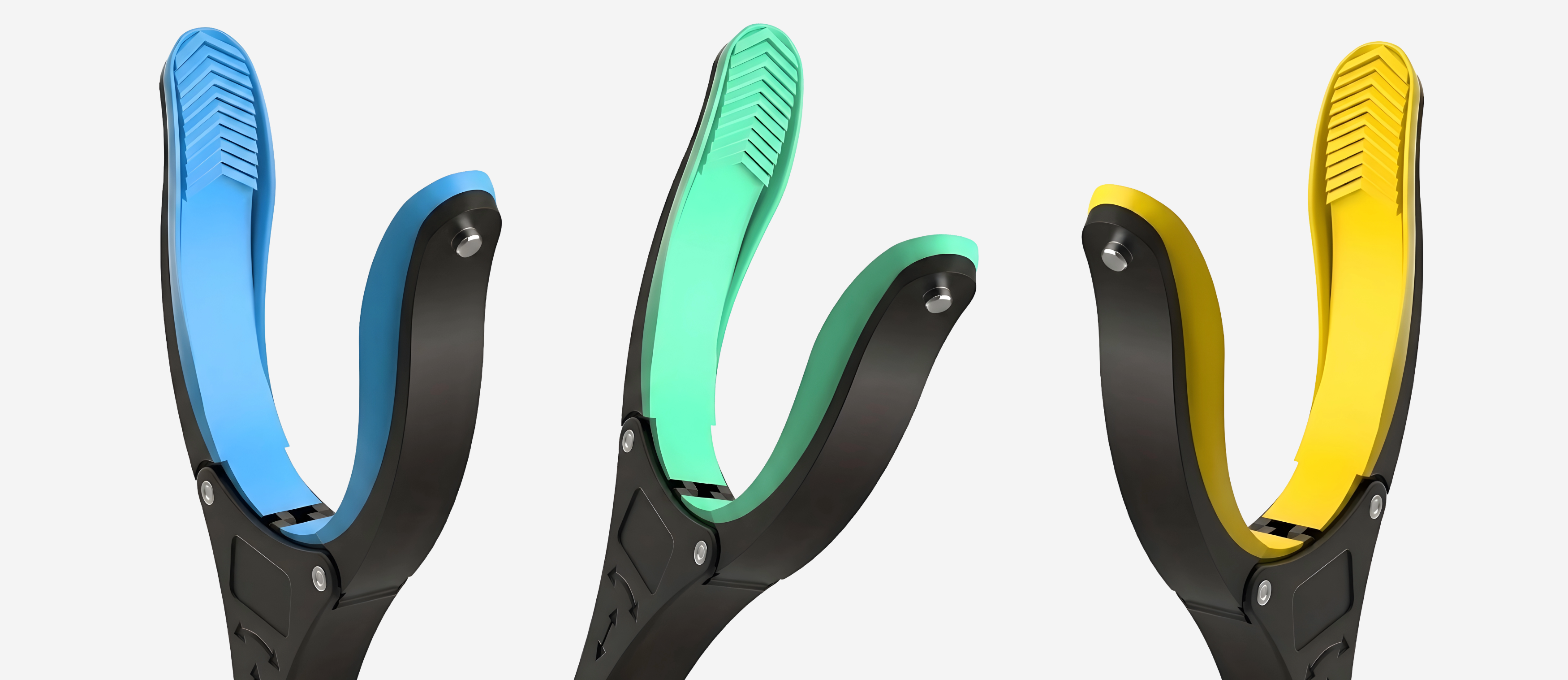
Direct answer: the safest adaptive tool gift approach is to ask directly -- ideally in a way that normalizes the question: "I want to get you something useful, is there any tool for your kitchen or mobility that would actually help?" If direct asking is not possible, the highest-utility universal adaptive gifts are those that have broad application regardless of specific diagnosis: the GrabbersTool 5-in-1 Multi-Opener ($27.99 -- useful for any grip limitation), and the 32 inch Reacher Grabber ($35.99 -- useful for most mobility and bending limitations). These are broadly useful rather than condition-specific.
The Asking Approach: Why It Works
Most people with mobility or grip limitations know exactly what tools would help them and have not purchased them for various reasons: cost, not thinking to look, waiting until it becomes necessary. A direct question about what would be useful removes the guesswork entirely and ensures the gift is exactly what is needed. Phrasing matters: "What adaptive kitchen tool would actually make your life easier?" is far more effective than "Is there anything you need?" (too broad) or presenting a list and asking which they prefer (which requires them to research options they may not know).
Universal Adaptive Gift Options by Condition Category
| Known Condition Category | High-Utility Gift | Price | Why It Works |
|---|---|---|---|
| Arthritis (any type) | Electric Jar Opener | $55.99 | Jar opening is the #1 reported kitchen challenge for arthritis |
| Post-surgery recovery (hip, knee, back) | 43 inch Reacher Grabber | $45.99 | Eliminates floor bending during all post-surgical restriction periods |
| Cane or walker user (general) | Cane Strap | $29.99 | Universally useful for any single-hand mobility aid user |
| Grip limitation (any cause) | 5-in-1 Multi-Opener | $27.99 | Handles all container types; compact; broadly useful |
| General aging / senior | Standing Assist Tool | $47.99 | Addresses the highest-risk daily transfer for most older adults |
| Unknown specific condition | 32 inch Reacher Grabber | $35.99 | Useful for almost any mobility or bending limitation |
Full specifications and what each tool addresses are on the individual product pages. View Electric Jar Opener
What Not to Gift: Avoiding Well-Intentioned Misses
- Do not guess the length: reacher grabbers come in 32 and 43 inch lengths -- if you do not know which the person needs, the 43 inch is the safer default for most people over 5 feet 6 inches tall
- Do not gift duplicates without asking: many people already own a reacher or multi-opener -- ask before purchasing
- Do not gift tools for limitations they do not have: a standing assist is not useful for someone whose limitation is only grip, not mobility
- Do not gift without a receipt option: even with the best information, adaptive tool fit is personal -- a gift should be exchangeable
Bundling: The Complete Gift Kit
For a higher-budget gift for a post-surgery recovery or new diagnosis situation, a bundled adaptive kit is often more impactful than any single tool. A complete kitchen independence bundle: Electric Jar Opener + 5-in-1 Multi-Opener + 32 inch Reacher Grabber covers jar opening, all cap and bottle types, and floor retrieval -- the three most common kitchen independence challenges for most conditions. This bundle is broadly appropriate for any condition involving grip or mobility limitation.
The Psychological Dimension of Adaptive Tool Gifts
Some people with mobility or grip limitations have emotional associations with adaptive tools -- they can represent the condition progressing rather than management improving. GrabbersTool recommends framing adaptive tool gifts around capability rather than limitation: "I thought this would make your kitchen easier" rather than "I thought this would help with your condition." The framing matters because the tool is genuinely about enabling something (kitchen independence) rather than compensating for something lost.
See also: Holiday Cooking With Adaptive Tools: Maintaining Your Kitchen Role and Gift Guide: Adaptive Tools for Mobility and Independence.
Browse Reacher Grabber Tools, Easy Grip Kitchen Openers, and Ergonomic Mobility.


