

Hysterectomy (surgical removal of the uterus) is one of the most common major gynecological surgeries, performed for fibroids, endometriosis, abnormal uterine bleeding, uterine prolapse, or gynecologic malignancy. Surgical approaches include abdominal hysterectomy (open incision), laparoscopic hysterectomy (4-6 small incisions), vaginal hysterectomy, and robotic-assisted laparoscopic hysterectomy. Recovery restrictions are similar across approaches but the open abdominal approach has a longer and more restrictive recovery (6-8 weeks) compared to laparoscopic (4-6 weeks). Standard post-hysterectomy restrictions include: no lifting over 4-5 kg for 4-6 weeks (protects the vaginal cuff closure and healing pelvic floor), pelvic rest (no vaginal intercourse or insertions) for 6-8 weeks, no strenuous exercise or Valsalva activity (bearing down or straining) for 4-6 weeks, and avoidance of activities that increase intraabdominal pressure. Kitchen activities that violate these restrictions include: lifting heavy pots, straining to open jars, bending and lifting simultaneously, and any sustained abdominal effort.
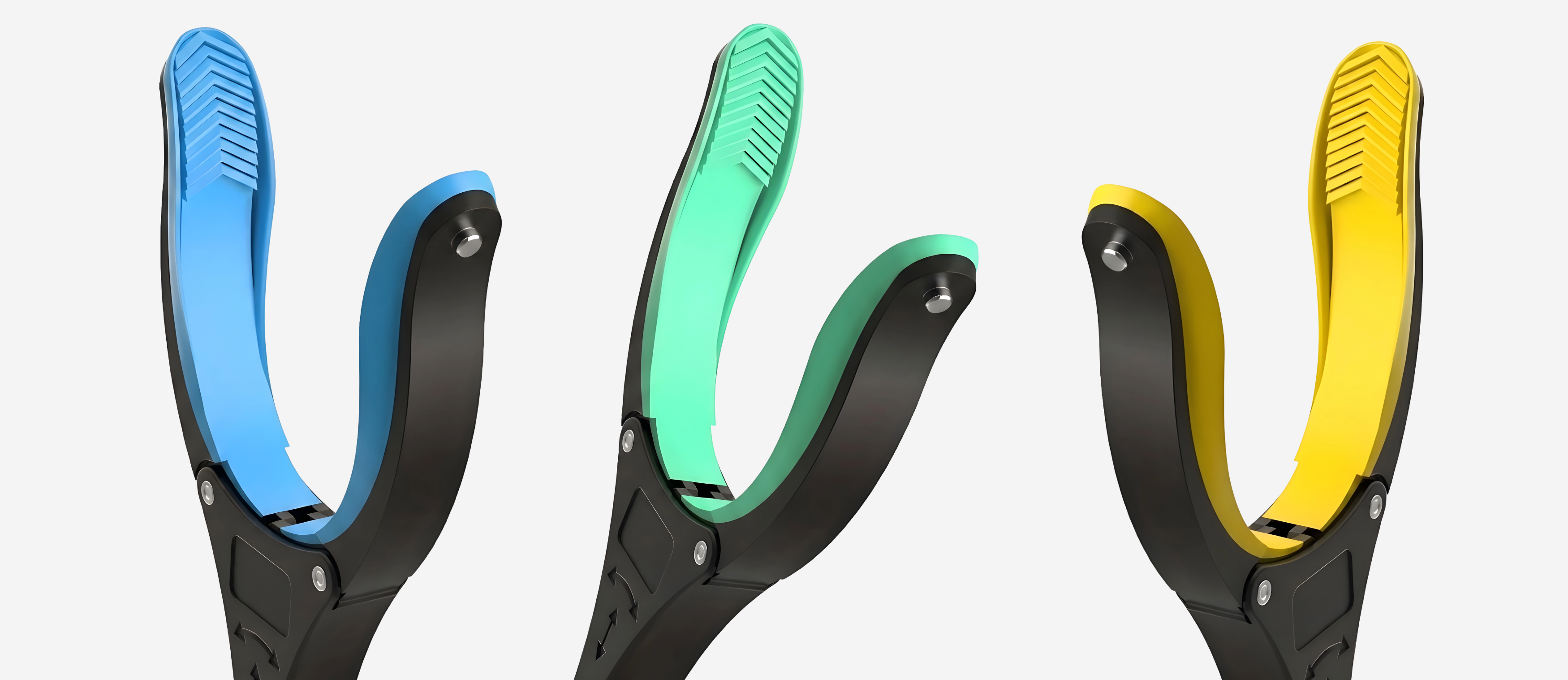
Direct answer: Hysterectomy adaptive kitchen tools address the abdominal lifting restriction, the no-straining restriction (which applies to jar opening), and the bending limitation during healing. The electric jar opener is particularly important because manual jar opening requires a sustained grip and rotational force that increases intraabdominal pressure -- precisely the type of Valsalva activity that is restricted after hysterectomy and at risk of disrupting the vaginal cuff closure. The reacher reduces bending that increases pelvic pressure. The GrabbersTool Electric Jar Opener and 32-inch Reacher are the core tools for the 4-6 week recovery period.
Hysterectomy Recovery Timeline and Adaptive Kitchen Strategy
| Recovery Phase | Physical Restriction | Adaptive Kitchen Strategy |
|---|---|---|
| Week 1-2 (early recovery) | Rest; minimal activity; drain management if applicable; fatigue from surgery; no lifting at all initially | Caregiver handles all cooking; patient rests; pre-prepared foods only; no kitchen activity beyond minimal self-care |
| Weeks 2-4 (early mobilization) | No lifting over 4-5 kg; no straining; short walks only; fatigue ongoing; incision healing | Reacher for all low retrieval; electric jar opener mandatory; lightweight cookware; simple quick meals; caregiver for heavy cooking; no bending to oven floor |
| Weeks 4-6 (mid-recovery) | Gradual lifting increase; straining still restricted; pelvic rest continues; energy improving | Continued use of reacher and electric jar opener; increasing kitchen independence; return to simple meal preparation; caregiver for heavy tasks until cleared |
| Week 6+ (full clearance) | Surgeon clearance for full activities; pelvic rest ends; return to normal lifting; full activity restoration | Full kitchen independence restored; adaptive tools optional for continued comfort; focus on nutritional recovery |
Browse the adaptive kitchen tools and Electric Jar Opener for hysterectomy recovery support.


