

Juvenile idiopathic arthritis (JIA) is the most common chronic rheumatic disease of childhood (onset before age 16), encompassing several subtypes with distinct prognosis and kitchen functional implications: oligoarticular JIA (4 or fewer joints, often large joints; best prognosis; uveitis risk); polyarticular RF-negative JIA (5 or more joints, usually symmetric, children and adolescents); polyarticular RF-positive JIA (similar to adult RA, most aggressive polyarticular subtype, female predominant, older children and adolescents); systemic JIA (quotidian fever, salmon-colored rash, arthritis, serositis, and high inflammatory markers; macrophage activation syndrome risk); enthesitis-related arthritis (ERA, HLA-B27-associated, overlapping with juvenile spondylarthritis and juvenile ankylosing spondylitis); and psoriatic JIA. Adults with JIA carry the consequences of childhood joint inflammation and treatment: joint damage from inadequately controlled disease; growth disturbance from epiphyseal involvement (limb length discrepancy, mandibular hypoplasia from TMJ JIA, short stature); the transition from pediatric to adult rheumatology care; and ongoing biologic DMARD therapy requirements. Kitchen function in JIA adults is affected by childhood joint damage (small joint involvement of hands impairs kitchen grip; knee or hip JIA joint damage impairs kitchen mobility), the transition to self-management of kitchen activities during young adulthood, and ongoing JIA disease activity.
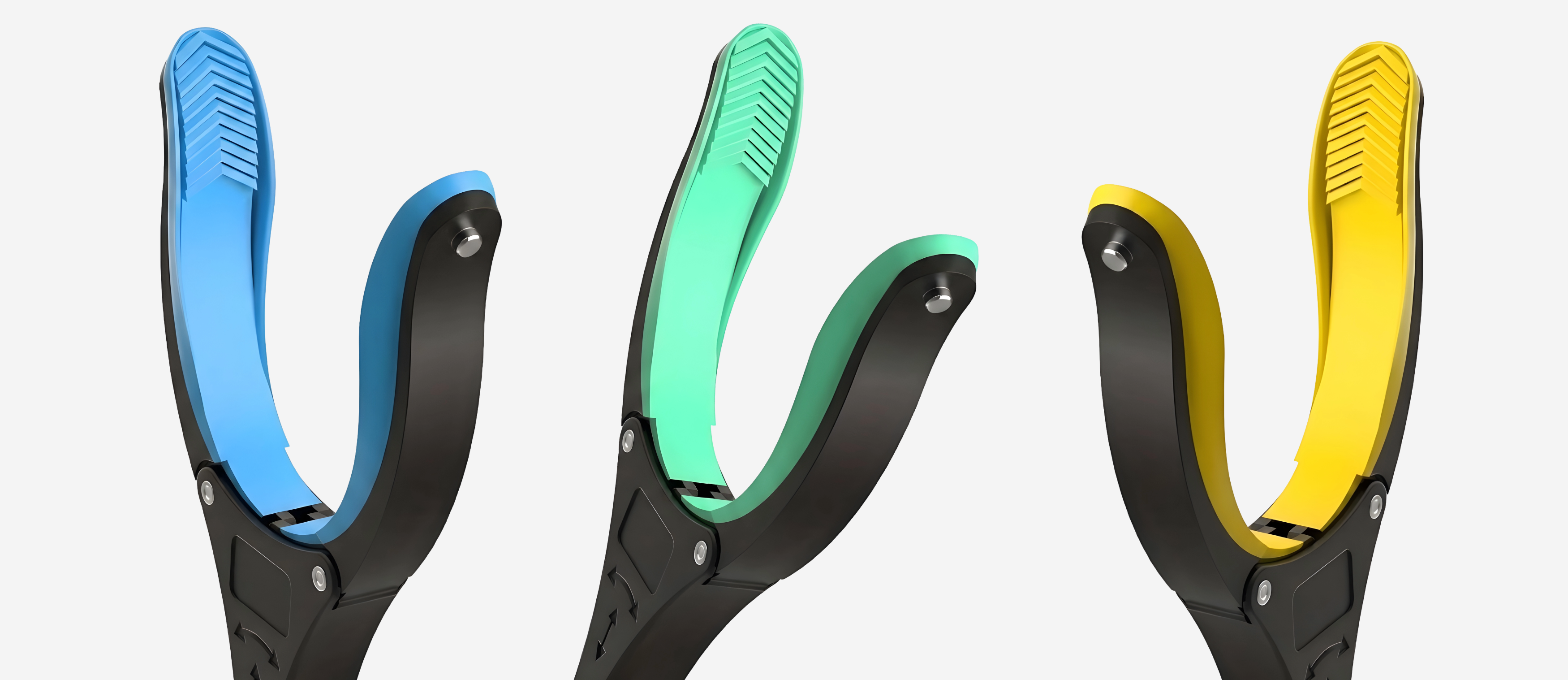
Direct answer: JIA adult kitchen adaptive tools address polyarticular JIA hand joint damage (electric opener; large-handle kitchen tools) and mobility-limiting JIA joint damage (reacher; seated kitchen preparation). The GrabbersTool Electric Jar Opener and 32-inch Reacher support JIA adult kitchen independence during disease activity flares and chronic joint damage sequelae.
JIA Adult Kitchen Adaptive Strategy
| JIA Adult Feature | Kitchen Impact | Adaptive Solution |
|---|---|---|
| Polyarticular JIA small joint damage and kitchen grip | Adults with polyarticular RF-positive JIA (the most RA-like JIA subtype) develop the same wrist and finger joint erosive disease as adult RA; MCP and PIP joint damage from inadequately controlled childhood polyarticular JIA causes grip weakness and deformity (ulnar drift, swan neck deformities) in young adults that impair kitchen jar opening, utensil use, and fine kitchen manipulation; wrist fusion or arthrodesis in severe JIA controls pain but further limits kitchen wrist range of motion; adults with JIA entering independent living (college, first apartment) for the first time face kitchen independence challenges without the parental kitchen support they relied on during childhood | Electric jar opener (GrabbersTool) for polyarticular JIA adult kitchen grip weakness -- enables independent jar opening during first kitchen independence; large-handle kitchen utensils for JIA MCP and wrist joint damage; joint protection principles taught during JIA childhood OT apply to adult JIA kitchen use; occupational therapy reassessment at JIA transition to adult care for updated kitchen adaptive equipment prescription; biologic DMARD therapy (methotrexate, TNF inhibitors, abatacept, IL-6 inhibitors) for ongoing JIA disease activity affecting kitchen grip |
| Oligoarticular JIA large joint damage affecting kitchen mobility | Oligoarticular JIA involving the knee (most common JIA joint) can cause knee joint damage, flexion contracture, and limb length discrepancy from hemihypertrophy (overgrowth of the affected extremity from chronic joint inflammation increasing blood flow to the growth plate); knee flexion contracture impairs kitchen chair sit-to-stand; limb length discrepancy creates gait asymmetry affecting kitchen floor navigation; hip JIA (less common) causes hip joint damage resembling pediatric hip OA requiring hip arthroplasty in young adults; JIA knee or hip arthroplasty in young adults has higher revision risk (implant lifespan of 15-20 years means multiple lifetime revisions) | Reacher grabber (GrabbersTool) for oligoarticular JIA adults with knee or hip joint damage limiting kitchen bending; kitchen chair with armrests for JIA knee or hip joint damage sit-to-stand; post-JIA arthroplasty kitchen recovery -- same as adult TKA or THA recovery protocols but in younger patients who typically recover faster; long-term kitchen adaptive tool use for JIA joint damage sequelae; physical therapy for JIA knee flexion contracture management and kitchen functional mobility |
| JIA systemic effects, uveitis, and transition kitchen challenges | Systemic JIA (sJIA) and RF-positive polyarticular JIA may involve systemic complications: sJIA macrophage activation syndrome (MAS) causes severe acute illness requiring ICU-level care and is completely incompatible with kitchen function during acute episodes; JIA uveitis (most common in oligoarticular JIA, often asymptomatic -- detected on slit lamp screening) can cause vision loss that affects kitchen visual function; the psychosocial challenges of JIA transition to adult care include: learning self-medication management, navigating adult insurance for biologic DMARDs, and developing kitchen and ADL independence previously managed with parental help | Kitchen independence skill building during JIA transition to adult care: OT involvement in JIA transition planning for kitchen ADL training; medication management in the kitchen (biologic injection storage in the refrigerator, injection technique, subcutaneous injection education for self-administration); JIA uveitis-affected vision: adequate kitchen lighting, large-print kitchen appliance controls; JIA adult transition programs at pediatric rheumatology centers provide ADL independence training including kitchen skills; rheumatologist continuity through JIA adult transition is critical for ongoing biologic DMARD prescribing and disease monitoring |
See the adaptive kitchen tools for arthritis for juvenile idiopathic arthritis adults kitchen independence support.


