

Knee meniscus repair is one of the most common orthopedic procedures, performed arthroscopically for meniscal tears (medial or lateral meniscus). Treatment depends on tear type: meniscal repair (suturing a repairable tear to preserve meniscal tissue) vs. partial meniscectomy (removing the torn fragment). These have fundamentally different post-operative protocols. Partial meniscectomy has a rapid recovery (weight bearing as tolerated immediately; return to function in 2-6 weeks). Meniscal repair has a prolonged protected weight-bearing protocol: non-weight-bearing (NWB) or toe-touch weight bearing (TTWB) for 4-6 weeks, followed by gradual progression to full weight bearing; crutch use required for 4-6 weeks; full return to sport at 4-6 months. During the NWB/TTWB phase after meniscal repair, kitchen function is severely impacted: the patient is on crutches, cannot carry items while walking, cannot stand at the kitchen counter for sustained periods without propping the operative leg, and is dependent on others or adaptive strategies for kitchen tasks. Meniscal repair patients are typically younger and more physically able than other adaptive kitchen tool users -- their limitations are temporary (weeks) rather than chronic, but the acute NWB phase is highly restrictive.
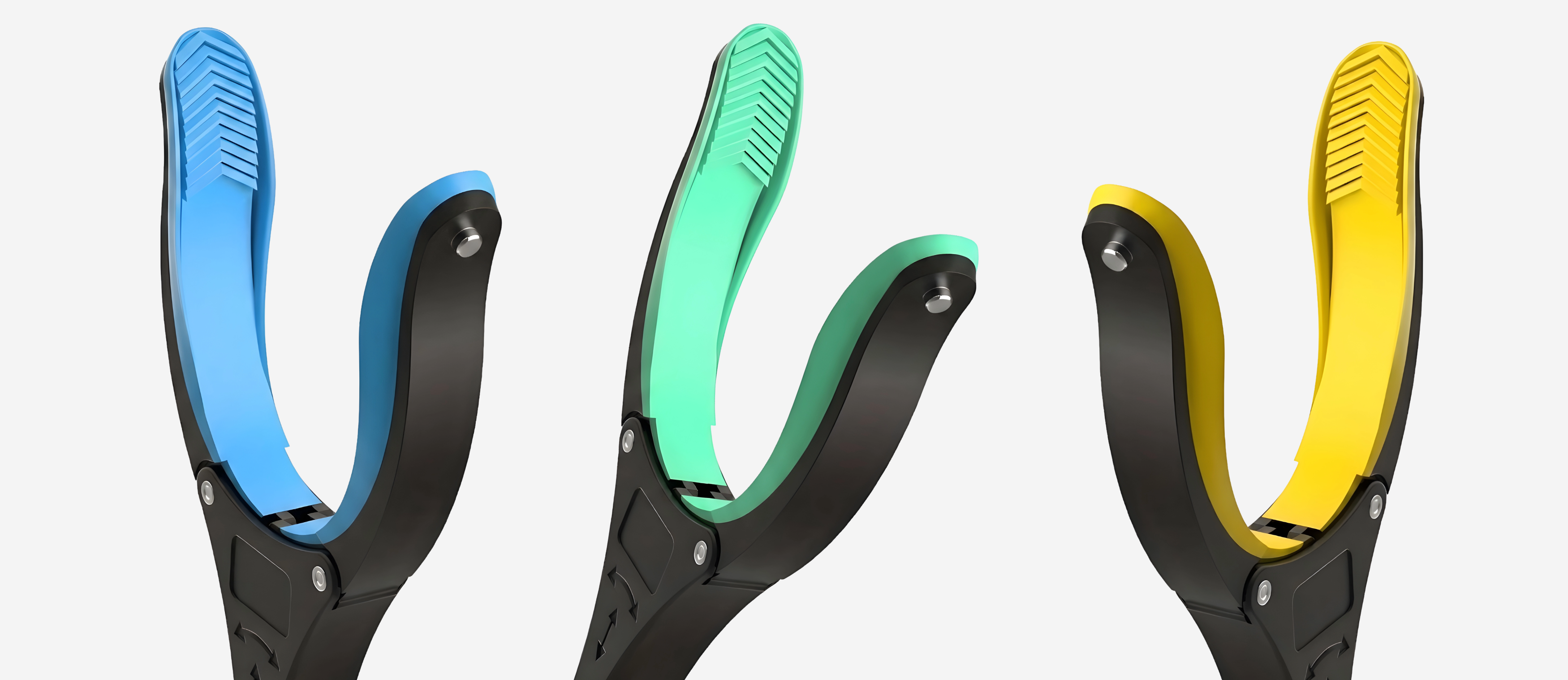
Direct answer: Knee meniscus repair kitchen adaptive tools are primarily needed during the 4-6 week NWB/crutch phase after meniscal repair (not partial meniscectomy). The key need is item transport (cannot carry items while on crutches). A rolling kitchen cart or countertop sliding replaces walking with carried items. The GrabbersTool 32-inch Reacher retrieves low-level items without the dangerous squat-and-reach on crutches that risks falls.
Meniscus Repair Kitchen Recovery Strategy
| Post-Meniscus Repair Feature | Kitchen Impact | Adaptive Solution |
|---|---|---|
| Non-weight-bearing on crutches (4-6 weeks, meniscal repair) | Crutch ambulation means both hands are occupied while walking; no items can be carried from one kitchen area to another; getting a cup of coffee from the counter to the table requires either a rolling cart, someone to help, or dangerous single-handed crutching; all kitchen transport is restricted | Rolling kitchen cart (roll items from counter to table on crutches-free hands); countertop sliding (slide items along the counter instead of carrying); install temporary knee scooter (allows one-handed transport while resting operative leg on the scooter platform); plan kitchen items needed at the table before getting up; reacher for low-level retrieval to avoid dangerous bending on crutches |
| Standing tolerance on crutches at the kitchen counter | Standing at the kitchen counter on crutches for meal preparation is fatiguing and unstable; the operative leg must remain NWB or TTWB; prolonged counter-standing on crutches for cooking is impractical; sustained kitchen tasks (chopping, stirring) not feasible while balancing on crutches at the counter | Seated kitchen preparation (high stool or rolling chair at the counter); prepare meals at the table rather than the counter; simple, one-pan meals requiring minimal standing preparation; meal delivery or caregiver assistance during the NWB phase; standing frame or counter support if available |
| Low-level item retrieval on crutches | Bending down to retrieve items from low cabinets, the floor, or low drawers while on crutches is unstable and fall-risky; reaching low while weight-bearing on one leg on crutches challenges balance significantly; drops (utensil, food) cannot be retrieved safely without assistive devices | Reacher grabber (GrabbersTool) to retrieve low-level items without bending; pre-position frequently used items at counter height before surgery; keep commonly dropped items at reachable level; occupational therapist home assessment before or soon after meniscal repair surgery |
See the 32-inch Reacher for knee meniscus repair kitchen recovery support.


