

Dementia with Lewy bodies (DLB) is the second most common neurodegenerative dementia after Alzheimer disease, caused by Lewy body (alpha-synuclein aggregate) pathology in cortical and subcortical neurons. DLB core features: (1) fluctuating cognition -- marked day-to-day and even hour-to-hour variation in alertness, attention, and cognitive clarity; (2) recurrent visual hallucinations -- typically vivid, detailed, often benign visual hallucinations (people or animals); (3) REM sleep behavior disorder (RBD) -- acting out dreams during REM sleep (punching, kicking); (4) parkinsonism (bradykinesia, rigidity, tremor -- often symmetric). DLB is closely related to Parkinson disease dementia (PDD); the distinction is timing (DLB: dementia within 1 year of parkinsonism onset; PDD: dementia more than 1 year after parkinsonism onset). Caution: DLB patients have severe neuroleptic sensitivity -- antipsychotics (including quetiapine, olanzapine, risperidone) can cause severe irreversible parkinsonism or death in DLB; this caution extends to kitchen medication management. Kitchen function in DLB: the fluctuating cognition means the patient may be oriented and competent in the morning and confused and unsafe in the afternoon; visual hallucinations may cause the DLB patient to react to perceived figures in the kitchen; parkinsonism affects kitchen mobility and tool use.
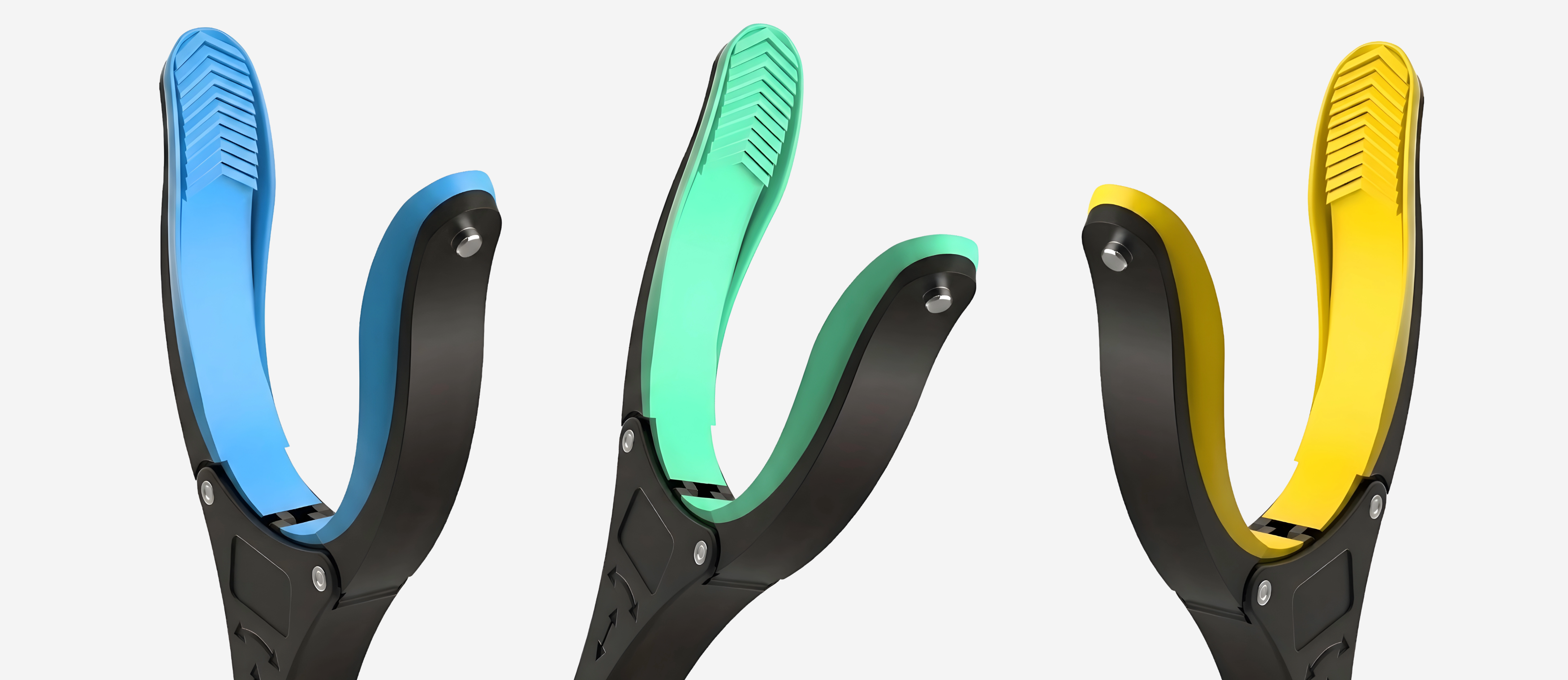
Direct answer: Lewy body dementia kitchen safety is primarily a caregiver challenge. The unique DLB kitchen danger is fluctuating cognition -- the patient may appear safe to cook at one time and be confused and unsafe hours later. Kitchen safety must be managed for the worst-functioning state, not the best. The GrabbersTool 32-inch Reacher reduces fall risk from the parkinsonism component; stove safety devices address cognitive fluctuation.
Lewy Body Dementia Kitchen Safety Strategy
| DLB Feature | Kitchen Safety Risk | Safety Strategy |
|---|---|---|
| Fluctuating cognition (hour-to-hour variation) | DLB patients may seem oriented and safe to cook during a lucid period, then become confused and unsafe within hours; stovetop safety is the primary kitchen risk during cognitive fluctuation periods (forgetting that the stove is on; leaving the kitchen while cooking; difficulty with multi-step cooking tasks during confused periods); kitchen safety must be managed for the fluctuating periods, not just the lucid ones | Automatic stove shut-off device or induction cooktop with auto-shutoff; remove or lock knives during confused periods; caregiver supervision during kitchen use; assess which times of day the patient tends to be more lucid (cognitive fluctuation often has a pattern) and restrict kitchen cooking to those periods; meal delivery for times when the patient is less reliable |
| Visual hallucinations in the kitchen | DLB visual hallucinations may cause the patient to react to perceived figures or animals in the kitchen (throw hot liquids at a hallucinated figure; try to grab a hallucinated object in a dangerous kitchen area); the hallucinations are typically visual, not threatening in themselves, but the behavioral response to them creates kitchen injury risk | Caregiver guidance on DLB hallucination response (not arguing, gentle redirection); avoid kitchen environments that are visually busy or cluttered (complex visual environments may worsen DLB hallucinations); adequate kitchen lighting (hallucinations may be worse in low light); occupational therapist for DLB-specific kitchen environment modification |
| Parkinsonism and fall risk | DLB parkinsonism (bradykinesia, rigidity, gait changes) creates kitchen fall risk similar to PD; the neuroleptic sensitivity warning means standard antiemetic and antipsychotic drugs commonly given to dementia patients are contraindicated in DLB -- caregiver awareness of this in kitchen medication management is critical | Reacher (GrabbersTool) for low-level kitchen item retrieval to reduce bending fall risk; clear kitchen pathways; grab bars; caution with any medication dispensed in the kitchen (avoid dopamine antagonist antiemetics like metoclopramide -- contraindicated in DLB); caregiver DLB drug safety awareness |
See the 32-inch Reacher for Lewy body dementia kitchen safety support.


