

Lower limb amputation is most commonly caused by peripheral vascular disease and diabetes (the leading causes of lower limb amputation, particularly in older adults -- dysvascular amputation), followed by trauma, malignancy, and infection. Amputation levels affecting kitchen function include: partial foot amputation; ankle disarticulation (Syme amputation); transtibial (below-knee, BKA) amputation -- the most common major lower limb amputation, with generally good prosthetic rehabilitation potential because the knee is preserved; transfemoral (above-knee, AKA) amputation -- greater functional impact because the knee is lost, requiring a prosthetic knee and higher energy expenditure for ambulation; knee disarticulation; and hip disarticulation. The functional impact depends on the amputation level (higher amputations require more energy for prosthetic ambulation and have greater impact on standing and mobility), the cause (dysvascular amputees often have comorbidities -- diabetes, cardiovascular disease, contralateral limb disease -- affecting overall function), prosthetic use, and rehabilitation. Lower limb amputees who are successful prosthetic users can stand and ambulate for kitchen tasks, though with reduced standing endurance and increased energy expenditure compared to non-amputees. Those who are not prosthetic users (or who are not wearing the prosthesis, e.g., early morning before donning) rely on wheelchair or other mobility aids for kitchen access. Kitchen function for lower limb amputees is affected by reduced standing tolerance and endurance, mobility and balance considerations, and wheelchair kitchen access when the prosthesis is not worn.
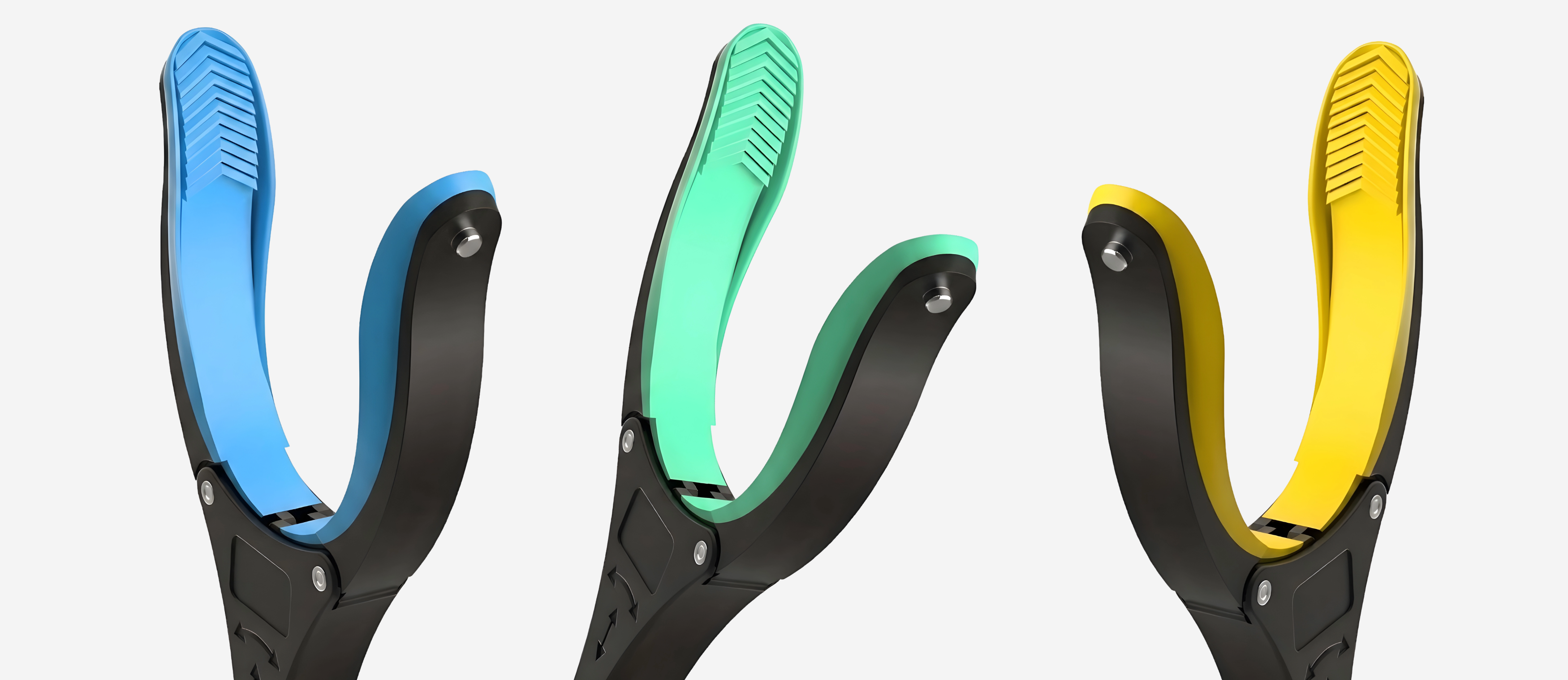
Direct answer: Lower limb amputee kitchen adaptive tools address standing tolerance and mobility: kitchen seating for reduced standing endurance, reachers to avoid balance-challenging bending and reaching, and wheelchair-accessible accommodations. The GrabbersTool 32-inch Reacher helps lower limb amputees by retrieving kitchen items without the bending and reaching that challenge standing balance on a prosthesis.
Lower Limb Amputee Kitchen Adaptive Strategy
| Amputee Consideration | Kitchen Impact | Adaptive Solution |
|---|---|---|
| Reduced standing tolerance and endurance on a prosthesis | Lower limb amputees who use a prosthesis can stand for kitchen tasks, but standing tolerance and endurance are reduced -- prosthetic standing requires more effort, the residual limb can develop discomfort or skin issues with prolonged standing, and balance requires ongoing attention; transfemoral (above-knee) amputees have greater standing challenge (prosthetic knee control) and higher energy expenditure than transtibial (below-knee) amputees; prolonged kitchen standing (at counters, stoves, sinks) may exceed the amputee comfortable standing tolerance; residual limb volume changes throughout the day affect prosthetic socket fit and standing comfort; dysvascular amputees may have limited cardiovascular endurance | Seated kitchen preparation with a kitchen stool or perch to reduce prosthetic standing time and residual limb loading; alternate standing and sitting during kitchen tasks; anti-fatigue mat for standing comfort; organize kitchen tasks to minimize standing duration; take breaks to offload the residual limb; ensure good prosthetic socket fit for standing comfort (see prosthetist for fit issues); seated kitchen work is a key lower limb amputee adaptation, particularly for transfemoral amputees and those with reduced endurance |
| Balance, bending, and mobility on a prosthesis in the kitchen | Lower limb amputees have altered balance and must manage prosthetic control during kitchen mobility -- turning, pivoting, and navigating the kitchen require balance and prosthetic control; bending forward and reaching down to low kitchen items challenges balance on a prosthesis (shifting the center of gravity while managing prosthetic stability); reaching up and to the sides also challenges balance; carrying kitchen items while walking on a prosthesis divides attention and shifts the center of gravity; kitchen floor hazards (wet spots, obstacles) are more dangerous with prosthetic gait; falls are a concern, and a kitchen fall can injure the residual limb or the intact limb (critical to protect in dysvascular amputees) | Reacher grabber (GrabbersTool 32-inch) to retrieve low and high kitchen items without the bending and reaching that challenge prosthetic balance; keep frequently used kitchen items at accessible heights to minimize balance-challenging reaching; kitchen counter and rail handholds for balance support during navigation and reaching; non-slip kitchen surfaces for prosthetic gait fall prevention; avoid carrying items while walking (use a wheeled cart or slide along counters); clear kitchen pathways; physical therapy for prosthetic balance and mobility; protect the intact limb from injury (critical in diabetic and dysvascular amputees at risk of further amputation) |
| Wheelchair kitchen access when the prosthesis is not worn | Lower limb amputees are not always wearing the prosthesis -- early morning before donning, during residual limb skin problems, when the socket does not fit due to volume changes, or if they are not prosthetic users (some amputees, particularly those with bilateral amputation, significant comorbidities, or higher-level amputation, use wheelchairs primarily); wheelchair kitchen access has specific requirements (counter clearance, reach limits) similar to other wheelchair users; the amputee may transition between prosthetic ambulation and wheelchair use depending on the day and circumstances; kitchen setup should accommodate both standing prosthetic use and seated wheelchair use | Wheelchair-accessible kitchen accommodations for times the prosthesis is not worn (counter clearance for wheelchair approach, items within seated reach, front-control appliances); reacher grabber for extending reach from the wheelchair to kitchen items beyond arm range; flexible kitchen setup accommodating both prosthetic standing and wheelchair seated use; lazy Susan turntables and pull-out shelves to bring kitchen items within reach; occupational therapy for amputee kitchen assessment addressing both prosthetic and wheelchair kitchen function; the reacher serves both standing (avoiding balance-challenging bending) and seated wheelchair (extending reach) amputee kitchen needs |
See the 32-inch Reacher for lower limb amputee kitchen reaching and balance support.


