

Mixed connective tissue disease (MCTD, Sharp syndrome) is a systemic autoimmune disease characterized by high-titer anti-U1 RNP antibodies and clinical features that overlap between several autoimmune diseases, most commonly SLE, scleroderma (systemic sclerosis), polymyositis, and RA. The key overlapping features in MCTD relevant to kitchen function are: Raynaud phenomenon (present in virtually all MCTD patients, causing cold-triggered digital vasospasm -- highly relevant to kitchen refrigerator access and cold water use); inflammatory arthritis (hand and wrist involvement similar to RA, causing grip limitation); myositis (proximal muscle weakness similar to polymyositis, causing shoulder and hip girdle weakness); and esophageal dysmotility (similar to scleroderma, causing swallowing difficulty and reflux that affects eating). MCTD patients thus face a kitchen functional challenge that is the sum of several component diseases simultaneously -- they may have both the grip limitation of RA and the Raynaud phenomenon of scleroderma and the shoulder weakness of myositis and the swallowing issue of esophageal dysmotility, all in the same patient.
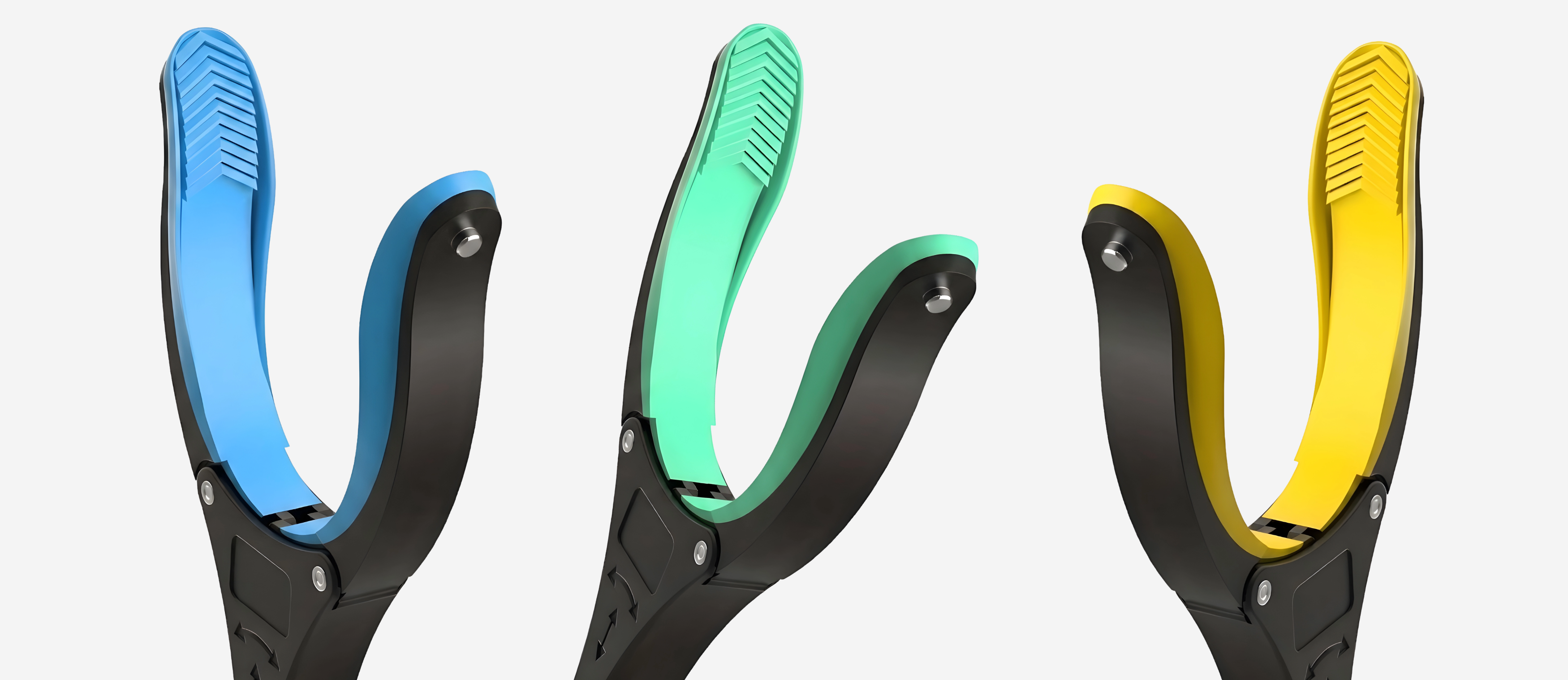
Direct answer: MCTD kitchen adaptive tools must address the combined functional profile rather than treating each feature separately. The electric jar opener addresses both the RA-like grip limitation and the Raynaud cold sensitivity (by eliminating the need to handle cold jars). The 43-inch reacher addresses the myositis-related shoulder weakness with overhead reach. The GrabbersTool Electric Jar Opener is the most impactful single MCTD kitchen tool because it addresses multiple MCTD features simultaneously.
MCTD Combined Kitchen Feature and Adaptive Strategy
| MCTD Feature | Kitchen Impact | Adaptive Solution |
|---|---|---|
| Raynaud phenomenon (cold-triggered vasospasm) | Reaching into the refrigerator or freezer triggers Raynaud attack; handling cold food items from refrigerator causes vasospasm; cold water during dishwashing triggers Raynaud; kitchen cold exposure is a major MCTD daily functional challenge | Insulated gloves for refrigerator access; run warm water for all dish tasks; keep kitchen warm; electric jar opener (room-temperature operation, no cold jar handling with bare hands) |
| Inflammatory arthritis (RA-like hand and wrist pain) | Grip force limited during arthritis flares; jar opening, can opening, and heavy lifting painful; wrist rotation (jar opening) specifically painful; morning stiffness limits early kitchen function | Electric jar opener (GrabbersTool) eliminates grip and wrist rotation; ergonomic handles; lightweight cookware; warm hands before kitchen tasks to reduce morning stiffness |
| Myositis (polymyositis-like proximal weakness) | Shoulder girdle and hip girdle weakness limits overhead kitchen reach and bending for floor items; difficulty lifting heavy pots with weak deltoid and biceps; hip weakness increases fall risk during kitchen bending | 43-inch reacher for overhead reach with shoulder weakness; 32-inch reacher for floor items with hip weakness; lightweight cookware; avoid heavy bilateral overhead lifting |
| Esophageal dysmotility (swallowing and reflux) | Scleroderma-like esophageal hypomotility causes dysphagia for solid foods and reflux; diet modification required; eating position (upright for 30-60 minutes post-meal) adds kitchen management complexity | Blender for food texture modification; smaller more frequent meals; avoid lying down after eating; electric opener tools to facilitate frequent small meal preparation; elevate head of bed for reflux management (not strictly kitchen but affects meal management) |
See the Electric Jar Opener, 32-inch Reacher, and 43-inch Reacher for MCTD combined kitchen adaptive management.


