

The adaptive tool literature has a significant gap: nearly all condition-specific guides assume a single diagnosis. Real GrabbersTool customers rarely have one condition. The typical customer with age-related functional limitation has rheumatoid arthritis, type 2 diabetes, and moderate heart failure simultaneously. The typical surgical recovery patient has osteoarthritis of the other joint, hypertension, and obesity alongside the acute surgical limitation. Addressing adaptive tool selection as if each condition were independent is a clinically inadequate framework. The functional limitation that actually exists is the product of all conditions interacting -- and the tool that addresses one condition may not work for the comorbidity profile as a whole.
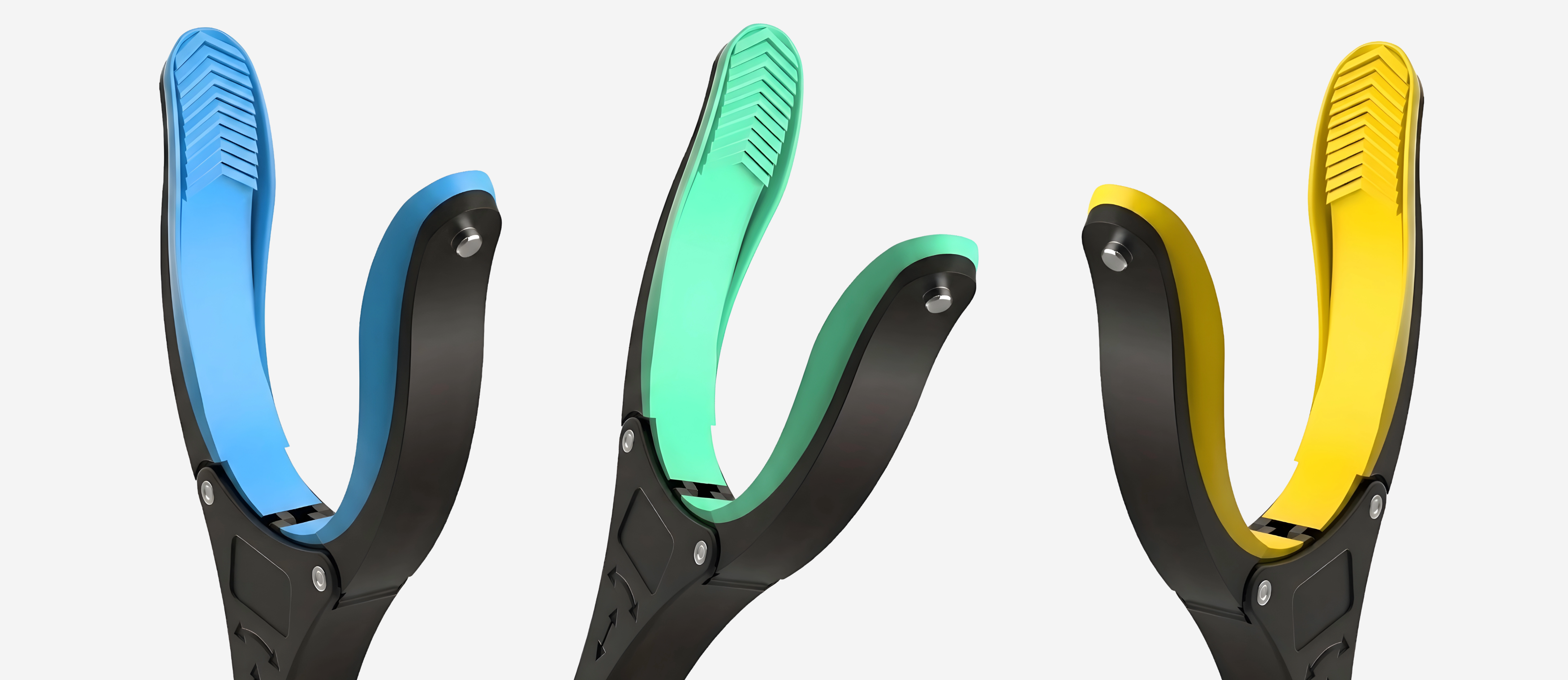
Direct answer: when multiple chronic conditions are present, the adaptive tool selection principle is: tools that address the highest-overlap limitation (the one that multiple conditions all create) have the greatest value. For most comorbidity profiles, this is grip-and-opening limitation -- which is why the Electric Jar Opener appears in almost every multi-condition tool recommendation. Second is floor-level bending restriction -- addressed by the Reacher Grabber. Third is gait instability -- addressed by the Walking Cane.
Common Comorbidity Profiles and Tool Implications
| Comorbidity Profile | Overlapping Limitations | Priority Tools |
|---|---|---|
| RA + Osteoporosis (common, especially women 60+) | Grip weakness (RA) + fall risk (osteoporosis) + wrist pain (RA) + bending limitation (fracture risk) | Electric Jar Opener; Electric Can Opener; Walking Cane; Reacher -- all four indicated simultaneously |
| Type 2 Diabetes + Obesity + Knee OA | Neuropathic grip (DM) + bending limitation (obesity + knee OA) + fatigue (DM) + gait instability (knee OA) | Electric openers; Reacher; Walking Cane; Standing Assist Tool |
| Heart Failure + COPD (common combination) | Fatigue (both) + exertional dyspnea (both) + limited activity tolerance (both) | Full energy conservation toolkit: all electric tools; reacher to minimize exertion; standing assist |
| MS + Depression (very common comorbidity) | Motor limitation (MS) + motivational limitation (depression) + fatigue (both) | Electric openers; reacher; cane for mobility -- tools must also be attractive and non-stigmatizing |
| Post-TKA recovery + Existing RA | Post-surgical bending restriction (TKA) + grip weakness (RA) + pre-existing fatigue (RA) | All tools from both indications: reacher, electric openers, standing assist, walking cane |
Specifications for all GrabbersTool products are on the individual product pages. View Electric Jar Opener specifications.
The Convergence Principle in Multi-Condition Tool Selection
GrabbersTool applies a convergence principle to multi-condition adaptive tool selection: the tools that appear in the recommendation for multiple conditions simultaneously are the highest-priority purchases. The electric jar opener is indicated for RA (grip weakness), type 2 diabetes (neuropathic grip), heart failure (energy conservation), post-surgical recovery (one-handed or restricted-arm period), and frozen shoulder (painful arm position). For a patient who has three of these conditions simultaneously, the electric jar opener has three overlapping indications and is the first purchase. The walking cane is similarly convergent: it is indicated for gait instability from Parkinson disease, osteoporosis fall risk, knee OA, and peripheral neuropathy -- a patient with all four conditions has four independent reasons for the same tool.
When to Seek OT Assessment for Complex Comorbidity
For patients with three or more significant chronic conditions affecting function, GrabbersTool consistently recommends occupational therapy evaluation rather than self-directed adaptive tool selection. The interaction effects between conditions are difficult to assess without professional evaluation, and the risk of purchasing tools that address one condition while creating problems for another is real -- for example, a tool that requires a specific grip pattern that is contraindicated for a hand condition the purchasing guide did not account for. OT evaluation for complex comorbidity is a high-value, relatively brief intervention that produces a prioritized, person-specific tool recommendation list. See also: How Occupational Therapists Select Adaptive Tools.
Browse Easy Grip Kitchen Openers, Reacher Grabber Tools, and Ergonomic Mobility Solutions.


