

Relapsing-remitting multiple sclerosis (RRMS) is the most common MS disease course, affecting approximately 85% of newly diagnosed patients. RRMS is characterized by distinct episodes of neurological dysfunction (relapses or exacerbations) lasting days to weeks, with full or partial recovery (remissions) between episodes. During relapses, functional ability may drop dramatically -- a person who was fully independent in the kitchen may be unable to cook during an acute relapse involving hand weakness, ataxia, or severe fatigue. Between relapses, accumulated disability from incomplete recovery of prior relapses leads to a progressive worsening of baseline function. Uhthoff phenomenon -- worsening of existing MS symptoms with increased body temperature (hot showers, exercise, hot weather, fever) -- is nearly universal in RRMS and is particularly relevant to kitchen function: cooking in a hot kitchen, near a stove or oven, raises core body temperature and may transiently worsen MS symptoms including weakness, spasticity, fatigue, and visual blurring, even in patients who are otherwise in clinical remission.
Direct answer: RRMS adaptive kitchen tools must support two modes: relapse-period kitchen function (when disability may temporarily be severe) and between-relapse kitchen function (when Uhthoff heat sensitivity, fatigue, and accumulated disability are the limiting factors). The electric jar opener and reacher serve both modes. The GrabbersTool Electric Jar Opener is used both during relapses (when grip is temporarily lost) and between relapses (when hand fatigue limits sustained grip).
RRMS Kitchen Planning: Relapse vs. Remission Modes
| RRMS Phase | Kitchen Functional Challenge | Adaptive Strategy |
|---|---|---|
| Active relapse (optic neuritis, sensory, motor, or cerebellar) | Vision loss (optic neuritis) during relapse makes kitchen safety hazardous; hand weakness or ataxia during motor relapse prevents normal kitchen function; severe fatigue during relapse limits all kitchen activity; duration unpredictable (days to weeks) | Pre-stocked easy-prep foods before and at start of relapse; electric jar opener for hand weakness during relapse; microwave-heavy cooking during relapse; caregiver kitchen support during acute relapses; reacher if lower limb relapse affects bending |
| Uhthoff phenomenon (heat-triggered worsening) | Kitchen heat from stove and oven may worsen MS symptoms transiently -- appearing to the patient as a temporary relapse but resolving when temperature normalizes; patients may avoid cooking due to Uhthoff; summer kitchen work particularly affected | Induction cooktop (no radiant heat to the kitchen air); cooling vest during kitchen work in hot weather; keep kitchen well-ventilated and air-conditioned; cold drink during cooking; recognize that worsening with heat is temporary and not a true relapse |
| Between relapses (accumulated disability, fatigue) | MS fatigue (a central, primary symptom, not just tiredness) limits kitchen activity even in remission; accumulated lower limb disability from prior relapses may require bending modifications; cognitive fatigue affects recipe following and kitchen planning | Energy conservation for kitchen tasks; seated cooking option; electric jar opener and can opener to reduce upper extremity effort; simple consistent meal plans to reduce cognitive kitchen load; reacher for lower extremity bending limitation |
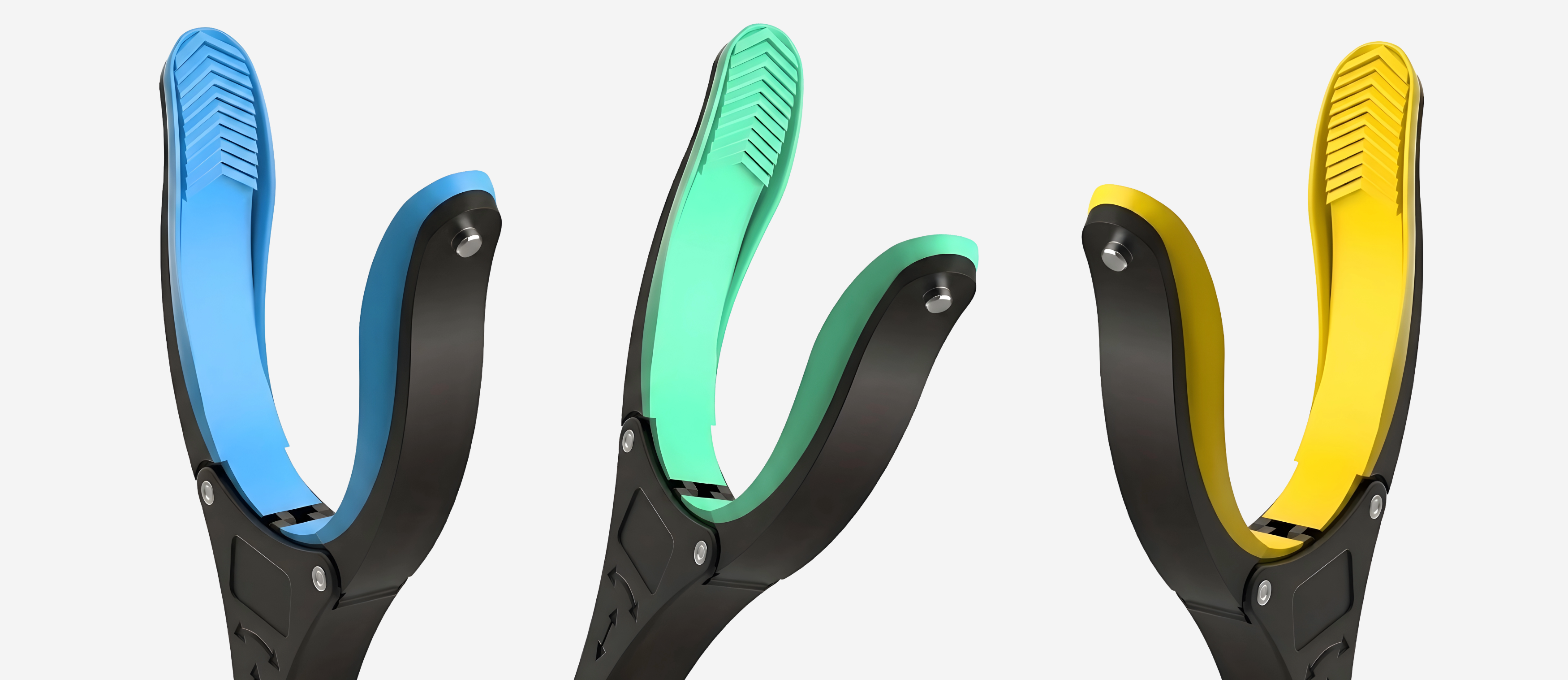
See the Electric Jar Opener and 32-inch Reacher for RRMS kitchen planning and adaptive independence.


