

Multiple system atrophy (MSA) is a rare, rapidly progressive neurodegenerative disease characterized by the pathological hallmark of alpha-synuclein inclusions in oligodendrocytes. MSA presents in two predominant phenotypes: MSA-P (parkinsonism predominant -- bradykinesia, rigidity, postural instability; formerly called striatonigral degeneration) and MSA-C (cerebellar predominant -- ataxia, dysarthria, oculomotor dysfunction; formerly called olivopontocerebellar atrophy). Both phenotypes share the essential feature of severe autonomic failure, which distinguishes MSA from idiopathic Parkinson disease: severe orthostatic hypotension (blood pressure drops significantly on standing -- often 30+ mmHg systolic), urogenital dysfunction, and other autonomic features. The autonomic failure of MSA has profound kitchen implications: patients may faint when standing at the stove, cannot tolerate the positional changes involved in kitchen work, and have very limited upright standing tolerance that worsens with heat (cooking near a hot stove). MSA has an aggressive course, with most patients requiring wheelchair mobility within 5 years and the median survival from symptom onset being 6-9 years.
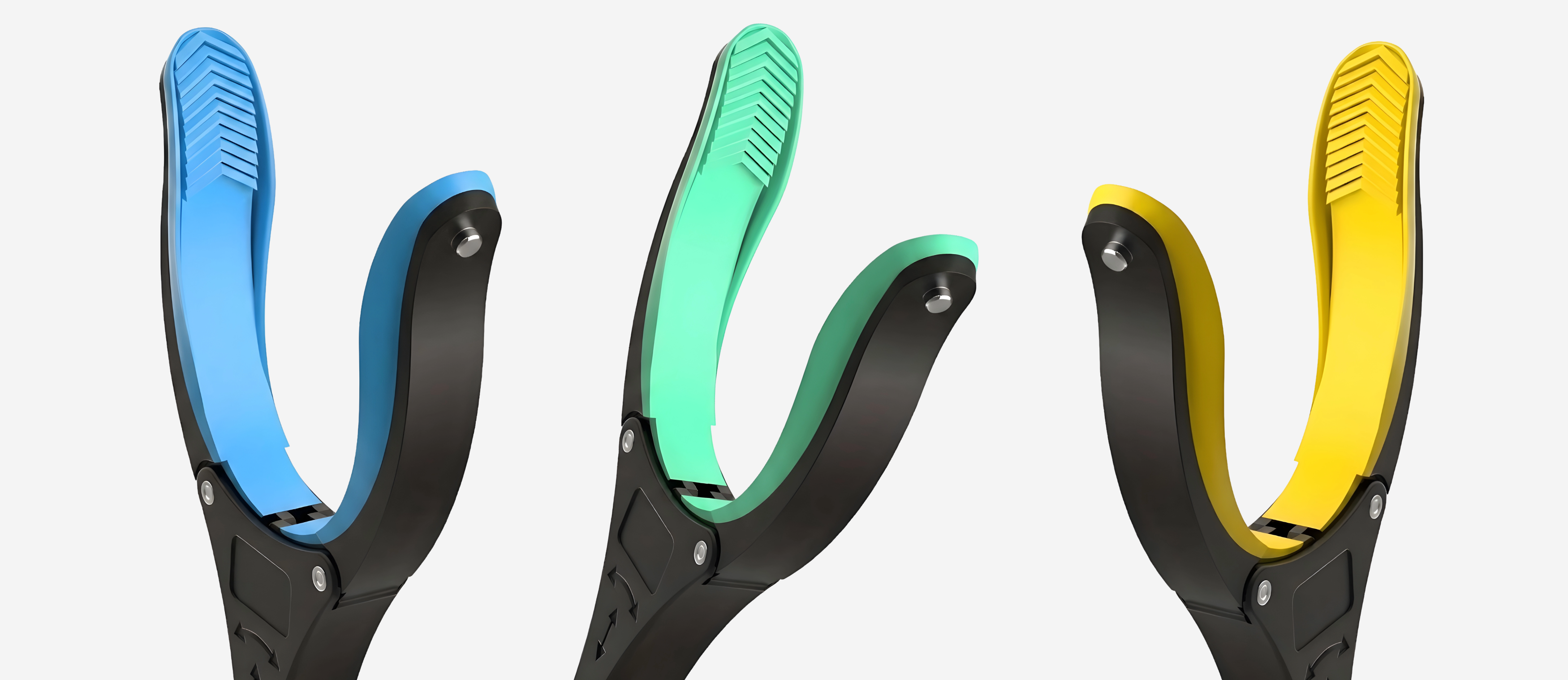
Direct answer: MSA adaptive kitchen tools must address the severe orthostatic hypotension (sitting or lying is the only safe position for many MSA patients during standing-intensive cooking), the parkinsonism or ataxia affecting movement control, and the rapid disease progression (tools must plan ahead for progressive wheelchair dependence). Seated cooking is the most critical MSA kitchen adaptation. The electric jar opener addresses the fine motor and coordination limitations. The 43-inch reacher addresses wheelchair-level kitchen access as the disease progresses. The GrabbersTool Electric Jar Opener and 43-inch Reacher are the core tools.
MSA Feature and Adaptive Kitchen Tool Need
| MSA Feature | Kitchen Impact | Adaptive Tool and Strategy |
|---|---|---|
| Severe orthostatic hypotension | Cannot stand at stove or counter without fainting risk; standing kitchen work dangerous from early in disease | Seated cooking essential and non-negotiable; all kitchen work at seated level; caregiver for any tasks requiring standing; monitor blood pressure with position changes |
| MSA-P parkinsonism (bradykinesia, rigidity) | Slow movements; reduced dexterity; grip and fine motor tasks slow and effortful; jar opening particularly difficult | Electric jar opener; simplified kitchen tasks; extra time for all kitchen activities; grip aids |
| MSA-C cerebellar ataxia | Incoordination of arm movements; carrying liquids risks spilling; cutting board precision limited; balance very poor | Seated cooking; lidded containers; electric jar opener; minimize liquid carrying; caregiver for all high-risk kitchen tasks; non-slip surfaces throughout |
| Progressive wheelchair dependence (typically 3-5 years) | Kitchen must be accessible from wheelchair; all tools must be usable from seated wheelchair position; standard counter heights inaccessible | 43-inch reacher for wheelchair-level floor reach; kitchen adapted for wheelchair height; all tools positioned for wheelchair access |
Browse the reacher collection and Electric Jar Opener for MSA kitchen safety.


