

Pacemaker implantation (including implantable cardioverter-defibrillator, or ICD, implantation) is performed through the subclavian or cephalic vein on the left or right side, with leads threaded into the right atrium and/or right ventricle, and the device generator pocket created subcutaneously below the clavicle. After implantation, patients have a 4-6 week recovery period during which arm activity on the implant side is restricted to prevent lead dislodgement, which can occur if the arm is raised above shoulder height or if there is significant lifting or stretching of the ipsilateral shoulder. The standard post-pacemaker activity restrictions include: no arm elevation above shoulder on the implant side for 4-6 weeks; no lifting greater than 5 lbs on the implant side; no vigorous reaching overhead; and avoiding activities that could cause traction on the device pocket or leads. These restrictions significantly affect kitchen function: most patients are implanted on the left side (most common), restricting the non-dominant arm in right-handed people -- which is less disabling -- but some patients are implanted on the right side (due to anatomy or prior leads), restricting the dominant arm.
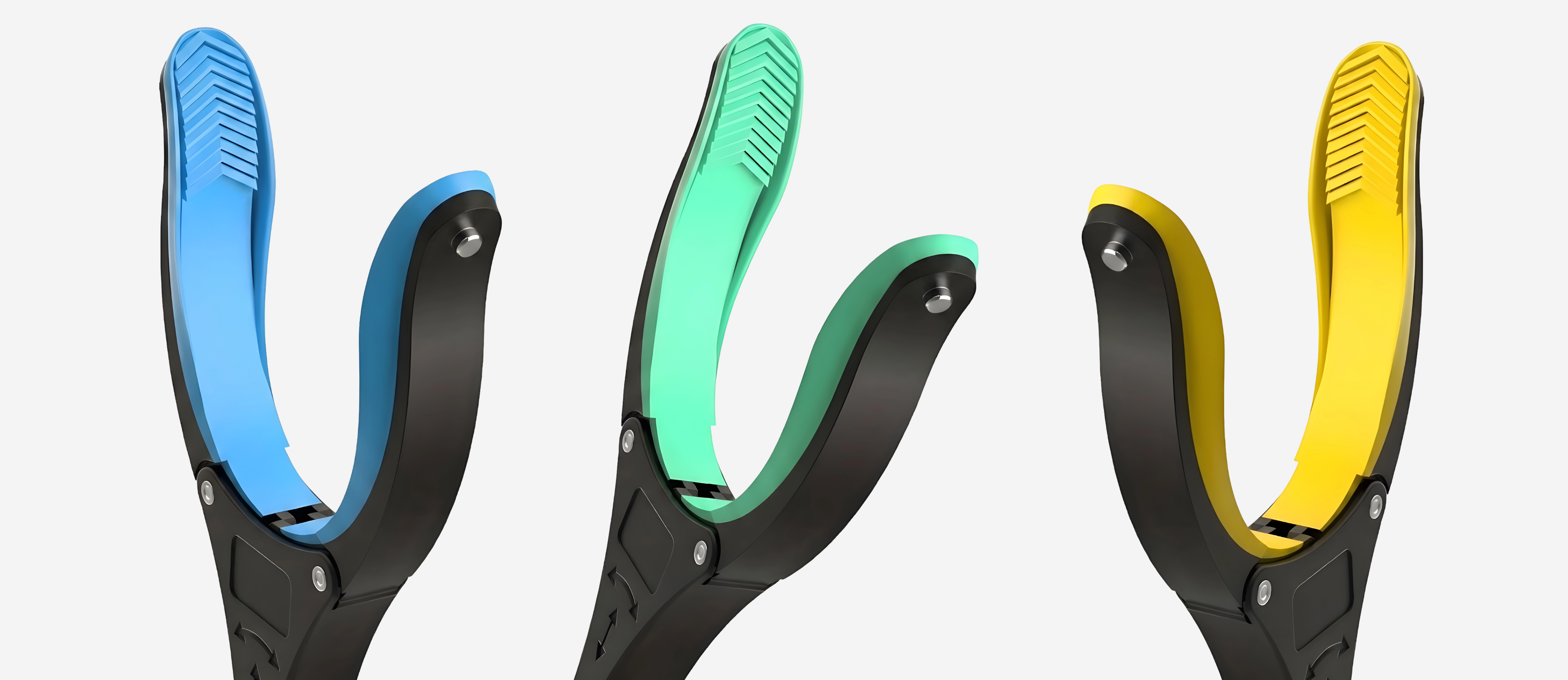
Direct answer: Pacemaker recovery kitchen adaptive tools must address the arm elevation and weight restrictions on the implant side for the 4-6 week recovery period. The 43-inch reacher allows overhead kitchen shelf access without raising the arm above shoulder height. The electric jar opener eliminates the bilateral grip force of jar opening. The GrabbersTool 43-inch Reacher is the most important pacemaker recovery kitchen tool for patients with overhead reach restriction.
Pacemaker Recovery Kitchen Arm Restriction Strategy
| Post-Pacemaker Restriction | Kitchen Impact | Adaptive Solution |
|---|---|---|
| No arm elevation above shoulder (implant side, 4-6 weeks) | Cannot reach overhead kitchen cabinets with restricted arm; items on high shelves inaccessible without arm elevation; cannot hang or retrieve items from overhead storage on restricted side | 43-inch reacher allows overhead reach while keeping arm below shoulder level; reorganize most-used kitchen items to counter height or below-shoulder shelves during recovery period; use non-restricted arm (opposite side) for overhead tasks where possible |
| No lifting greater than 5 lbs (implant side) | 5 lbs is less than a full bag of sugar, a quart of milk, or a typical cooking pot with contents; virtually all laden kitchen containers exceed this limit; cannot safely carry pots, large cups, or grocery bags on restricted side | Use non-restricted arm for all heavy kitchen lifting; slide items along counter rather than carrying; lightweight cooking vessels; electric jar opener (bilateral grip force eliminated -- use non-restricted side only); meal delivery during acute recovery period |
| No reaching or stretching that pulls device pocket or leads | Reaching across the body or far to the side can place traction on the subcutaneous device pocket and pectoral muscle overlying the leads; certain kitchen reaching directions contraindicated even if arm is below shoulder | Work within comfortable reach arc on the implant side; 43-inch reacher extends range without shoulder traction; reorganize kitchen to minimize lateral reaching on implant side during recovery |
See the 43-inch Reacher and Electric Jar Opener for pacemaker recovery kitchen independence.


