

Paget disease of bone (osteitis deformans) is a chronic skeletal disorder of disordered bone remodeling characterized by accelerated, disorganized bone turnover -- increased osteoclastic bone resorption followed by compensatory but structurally abnormal new bone formation. The result is enlarged, deformed, structurally weak bone in affected areas. Prevalence increases with age (rare under 40, affecting up to 3-4% of adults over 55 in high-prevalence populations). Common sites: skull, spine (lumbar and thoracic), pelvis, femur, tibia, and humerus. Clinical manifestations: bone pain (the most common symptom -- deep, aching pain in affected bones), skeletal deformity (bowing of weight-bearing bones: bowed tibia or femur; enlarged skull; kyphotic spine), pathological fractures (through pagetic bone, especially femur and tibia), neurological complications (skull Paget causes hearing loss from cochlear or auditory nerve compression; skull base Paget can cause cranial nerve palsies; spinal Paget causes radiculopathy or myelopathy from spinal canal narrowing), high-output heart failure (in extensive multifocal Paget, hypervascularity increases cardiac output), and secondary osteoarthritis (adjacent joints bearing abnormal pagetic bone loads develop OA). Kitchen function in Paget disease is affected by bone pain, skeletal deformity (bowing affecting mobility and posture), hearing loss, and fracture risk from falls.
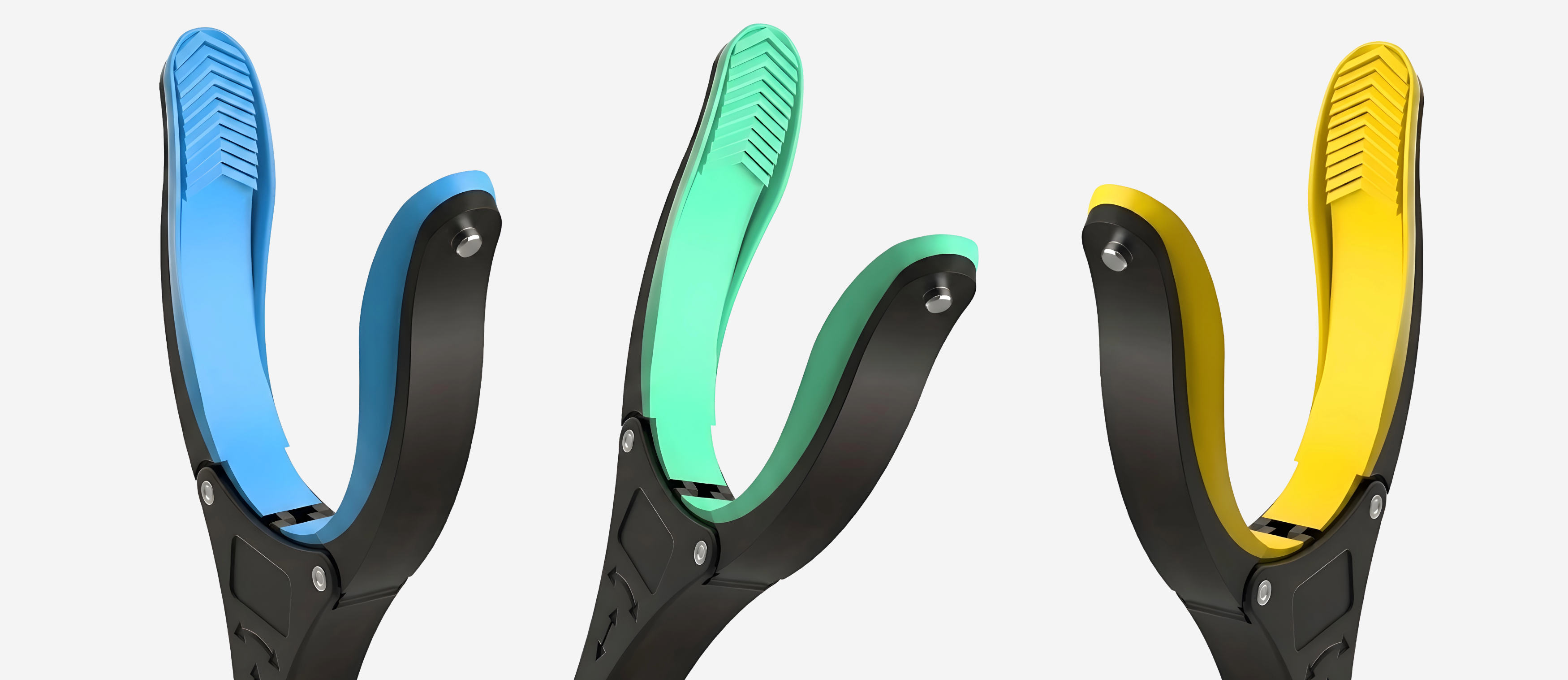
Direct answer: Paget disease kitchen adaptive tools address bone pain and skeletal deformity (reacher for reduced bending with lumbar or spinal Paget; seated kitchen preparation for tibial or femoral bowing), hearing loss (visual kitchen alarms rather than auditory), and fracture prevention. The GrabbersTool 32-inch Reacher reduces bending and spinal flexion during kitchen tasks for spinal and lumbar Paget disease.
Paget Disease of Bone Kitchen Adaptive Strategy
| Paget Disease Feature | Kitchen Impact | Adaptive Function |
|---|---|---|
| Bone pain from active Paget disease and secondary OA | Deep pagetic bone pain affects whichever bones are involved -- lumbar spinal Paget causes low back pain with kitchen bending; femoral or tibial Paget causes leg pain with kitchen standing; skull Paget is rarely mechanically limiting for kitchen function but causes headache; bisphosphonate therapy (zoledronic acid, alendronate) reduces pagetic bone pain and is the primary treatment for symptomatic Paget; secondary OA at hip or knee from adjacent pagetic bone deformity adds joint pain to kitchen standing and mobility | Reacher grabber (GrabbersTool) to reduce forward bending with lumbar or hip Paget; anti-fatigue kitchen mat for secondary OA knee or hip pain during kitchen standing; kitchen chair for sitting during prolonged food preparation to reduce spinal and lower extremity Paget bone pain; bisphosphonate therapy with rheumatologist or endocrinologist for active pagetic bone pain; hip or knee arthroplasty for severe secondary OA in Paget disease (technically more complex due to pagetic bone anatomy) |
| Skeletal deformity: bowed tibia, femur, or kyphotic spine | Tibial bowing causes gait instability and reduced kitchen mobility; femoral bowing increases fall risk; thoracolumbar kyphosis from spinal Paget causes stooped posture, reducing overhead kitchen reach and increasing low back strain from forward lean; altered biomechanics from pagetic bone deformity change gait and kitchen movement patterns; severe kyphosis may limit the ability to look upward at kitchen shelves or work at standard counter height | Reacher grabber (GrabbersTool 32-inch or 43-inch) for overhead kitchen cabinet reach with severe thoracic kyphosis; kitchen organizational adaptations (move frequently used items to accessible heights); non-slip kitchen mats for gait-impaired Paget patients with tibial or femoral bowing; physical therapy for gait training and fall prevention with Paget skeletal deformity; orthotics for tibial bowing gait support |
| Hearing loss from skull or temporal bone Paget | Paget disease affecting the skull base, temporal bone, and cochlear capsule causes sensorineural hearing loss (cochlear involvement) and conductive hearing loss (ossicular involvement); skull Paget hearing loss is a common complication; kitchen communication is affected -- timer alarms, smoke detectors, and verbal communication during kitchen activities may be missed; kitchen safety is compromised when auditory kitchen alarms are not perceived | Visual kitchen alarms: visual smoke detectors with strobe light alert, digital kitchen timers with large display and vibration alert rather than auditory chime only; bone-anchored hearing aids (BAHA) or cochlear implant for Paget-related hearing loss when conventional hearing aids are insufficient; clear visual kitchen layout so visual cues replace missed auditory cues; bisphosphonate therapy may slow but rarely reverses established Paget hearing loss |
See the 43-inch Reacher for Paget disease thoracolumbar kyphosis kitchen reach adaptation.


