

Peripheral arterial disease (PAD) is caused by atherosclerotic obstruction of the lower extremity arteries, reducing blood flow to the legs and feet. PAD clinical presentations: intermittent claudication (IC) -- reproducible calf, thigh, or buttock pain with walking that resolves with rest, caused by exercise-induced ischemia in the muscle territory distal to the obstruction; critical limb ischemia (CLI, now more accurately termed chronic limb-threatening ischemia, CLTI) -- rest pain, ischemic ulcers, or gangrene indicating inadequate perfusion at rest; acute limb ischemia (ALI) -- sudden loss of perfusion requiring emergent revascularization. The ankle-brachial index (ABI) grades PAD severity: normal greater than 0.9, mild claudication 0.7-0.9, moderate claudication 0.5-0.69, severe claudication/CLI less than 0.5. Kitchen function in PAD is affected primarily through limited walking distance (claudication) and potential post-revascularization recovery restrictions. Claudication creates a specific kitchen challenge: the patient can perform kitchen tasks that do not require prolonged standing or walking, but the walking required for kitchen activity (repeated trips between kitchen zones, grocery carrying, standing at the counter) may exceed the claudication walking distance.
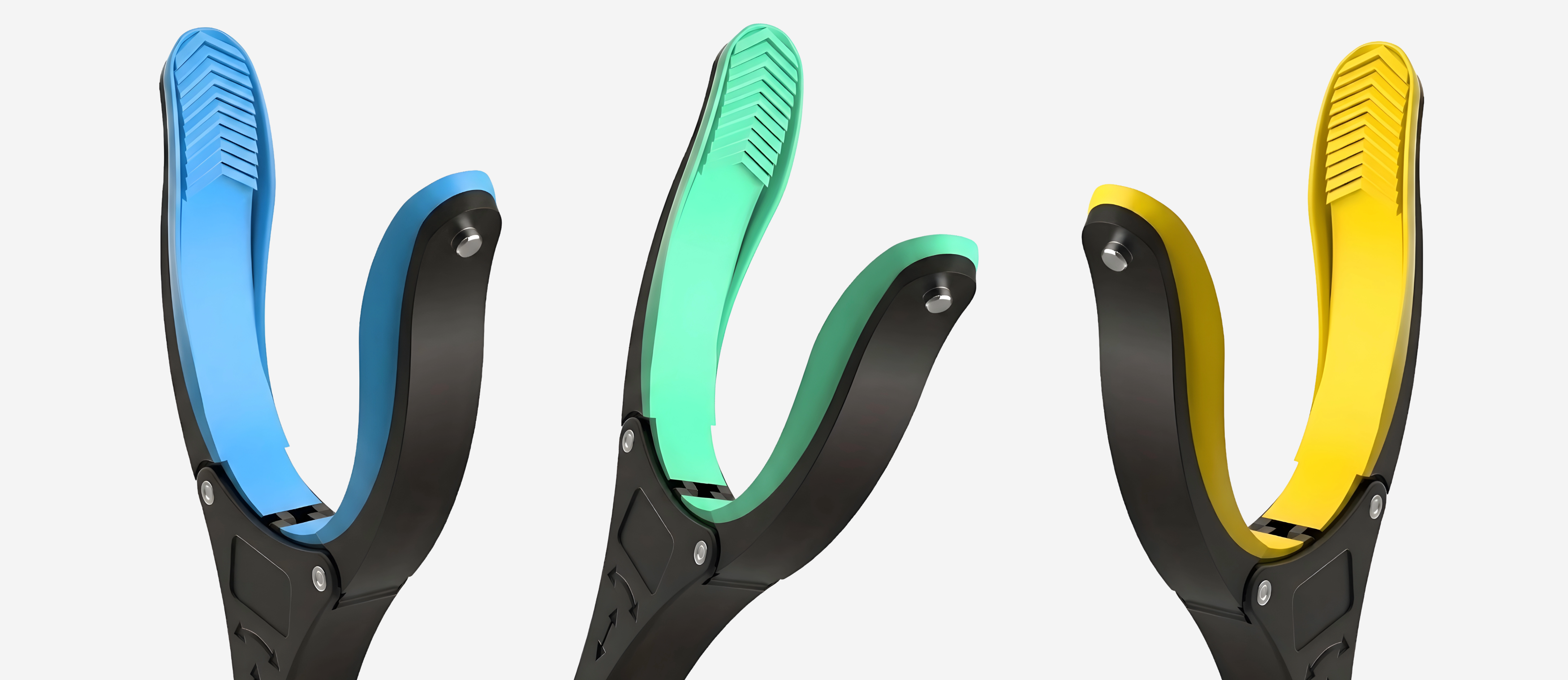
Direct answer: PAD kitchen adaptive tools address claudication-limited walking distance and standing tolerance. The rolling kitchen cart eliminates walking trips within the kitchen (transport items without walking back and forth). Seated kitchen preparation reduces standing-triggered claudication. The GrabbersTool 32-inch Reacher reduces the kitchen walking needed to retrieve items from different areas.
Peripheral Arterial Disease Kitchen Adaptive Strategy
| PAD Feature | Kitchen Impact | Adaptive Solution |
|---|---|---|
| Intermittent claudication (walking distance limited) | PAD claudication is triggered by walking (not by standing); kitchen tasks requiring repeated walking between areas (refrigerator to counter to stove) accumulate walking that may exceed the claudication distance; carrying groceries increases muscle oxygen demand and shortens the claudication distance; kitchen layout with frequent cross-kitchen trips is the most claudication-provoking design; claudication pain stops the patient mid-kitchen-task when the walking limit is reached | Rolling kitchen cart (consolidate all items in one trip rather than multiple walking trips); kitchen reorganization to minimize required walking distance for the most frequent tasks (most-used items within arm reach of primary kitchen position); seated kitchen preparation reduces walking time; no prolonged standing (standing is better tolerated than walking in claudication because isometric calf muscle work is lower); vascular surgeon/exercise physiologist supervised walking exercise program improves claudication distance |
| Post-revascularization recovery (endovascular or surgical) | PAD revascularization via endovascular intervention (angioplasty, stenting via femoral or popliteal artery access) has short recovery (groin access site, 2-4 days light restriction); surgical bypass (femoral-popliteal or infra-popliteal bypass) has longer recovery (incisions in the groin and leg, 4-6 weeks limited activity); post-bypass wound care at both incision sites; long leg bypass incisions limit knee flexion and leg elevation requirements | Reacher for items at floor level or requiring excessive bending during post-bypass recovery; kitchen reorganization to minimize prolonged standing; caregiver assistance for grocery transport and heavy lifting during bypass recovery; post-bypass wound care supplies stored in the kitchen area if wound dressing changes are done there |
| Foot and toe ischemic wounds (CLI) | CLI with ischemic ulcers of the toes or foot requires off-loading (non-weight bearing or total contact cast) for wound healing; kitchen standing on ischemic wounds is contraindicated; kitchen mobility severely limited by off-loading device; ischemic ulcer pain at rest further limits kitchen tolerance; CLI management (revascularization or amputation) is the definitive intervention | Seated kitchen preparation for CLI patients with ischemic wounds and off-loading requirements; wheelchair or knee scooter for kitchen mobility with foot off-loading; reacher for floor and low-level kitchen items; caregiver assistance for standing kitchen tasks during CLI off-loading; wound care nursing team for CLI wound kitchen management guidance |
See the 32-inch Reacher for peripheral arterial disease kitchen adaptive support.


