

Post-acute sequelae of SARS-CoV-2 infection (PASC), commonly called long COVID, affects an estimated 10-30% of COVID-19 survivors and is defined as symptoms persisting beyond 4-12 weeks from acute COVID-19 infection. The most common and disabling long COVID symptoms include: (1) post-exertional malaise (PEM) -- worsening of all symptoms after physical or cognitive exertion, the hallmark feature shared with ME/CFS; (2) cognitive dysfunction (brain fog) -- difficulty concentrating, memory problems, word-finding difficulty, and slowed information processing; (3) fatigue (similar to the fatigue pattern in ME/CFS); (4) autonomic dysfunction (POTS -- postural orthostatic tachycardia syndrome in many long COVID patients); (5) dyspnea and cardiovascular symptoms. Brain fog in long COVID creates specific kitchen functional impacts that are distinct from physical limitations: the cognitive load of multi-step recipe following, simultaneous management of multiple cooking processes, and kitchen safety vigilance are all impaired by cognitive dysfunction. PEM means that even moderate cognitive or physical exertion from cooking can trigger a symptom flare that lasts hours to days.
Direct answer: Long COVID brain fog kitchen adaptive strategies focus on cognitive load reduction (simple recipes, written step-by-step guides, one task at a time) and PEM prevention (pacing, staying well below the activity threshold that triggers PEM). The GrabbersTool Electric Jar Opener reduces both the physical and cognitive effort of jar opening (no multi-step manual technique required).
Long COVID Brain Fog Kitchen Adaptive Strategy
| Long COVID Feature | Kitchen Impact | Adaptive Strategy |
|---|---|---|
| Brain fog (cognitive dysfunction) | Recipe following requires working memory (holding multiple ingredients and quantities in mind), sequencing (correct order of cooking steps), and attention (monitoring timing, temperature, and doneness simultaneously); long COVID brain fog impairs all three cognitive domains; complex recipes become impossible; losing track mid-recipe (forgetting what step comes next, having added an ingredient already); stove safety lapses from impaired attention (forgetting a burner is on) | Simple, familiar recipes with very few steps (3-5 steps maximum on brain fog days); written step-by-step recipe cards placed on the counter during cooking (offload the sequencing memory requirement); one cooking task at a time (never manage multiple pots simultaneously if brain fog is present); automatic stove shut-off for patient safety on cognitive impairment days; electric jar opener eliminates the complex manual technique sequence of jar opening; timer set for every timed kitchen step to compensate for time perception impairment |
| Post-exertional malaise (PEM) from kitchen activity | In long COVID PEM, even mild kitchen exertion (preparing a 15-minute meal) can trigger a symptom flare lasting hours to days; the exertion threshold is unpredictable; cognitive exertion (following a complex recipe) triggers PEM as much as physical exertion (stirring, standing); the kitchen is a high PEM-trigger environment that requires careful pacing; patients may avoid kitchen use entirely to prevent PEM triggering | Strict pacing: stay well below the exertion threshold that triggers PEM (this threshold must be individually identified with an occupational therapist or ME/CFS specialist); seated kitchen preparation to reduce physical exertion component; batch cooking on good days for high-PEM days (but be cautious that batch cooking itself does not trigger PEM from overexertion on the good day); electric jar opener and appliances to reduce both physical and cognitive kitchen effort; ME/CFS-specialized occupational therapist for long COVID PEM kitchen pacing program |
| POTS (postural orthostatic tachycardia syndrome) | Long COVID POTS causes heart rate elevation on standing (often 30+ beats per minute increase from lying to standing) with accompanying dizziness, palpitations, and presyncopal symptoms; kitchen standing triggers POTS symptoms; position changes (sitting to standing for kitchen tasks) cause symptom flares; prolonged kitchen standing causes escalating POTS symptoms | Seated kitchen preparation (the single most important POTS kitchen accommodation); elevated chair or stool at counter height; avoid rapid position changes in the kitchen; compression garments (stockings, abdominal binder) improve POTS symptoms during kitchen standing; cool kitchen environment (heat worsens POTS); POTS management per cardiologist or autonomic specialist |
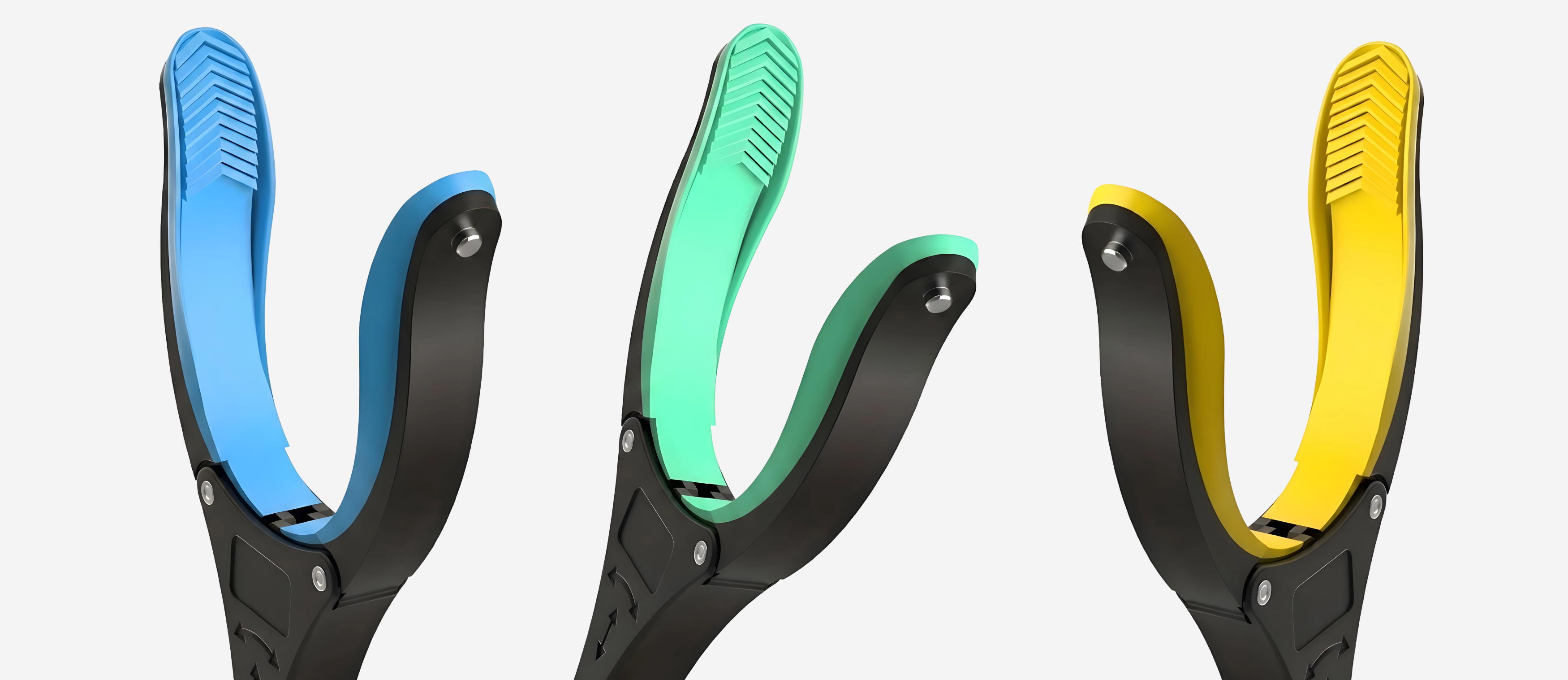
See the Electric Jar Opener and 32-inch Reacher for long COVID kitchen adaptive support.


