

Post-polio syndrome (PPS) is a condition that GrabbersTool encounters from a specific demographic: adults who contracted poliomyelitis as children in the pre-vaccine era, recovered to a functional plateau they maintained for decades, and are now experiencing new muscle weakness, fatigue, and pain -- often 30-40 years after their original recovery. The adaptive tools these patients used in early post-polio recovery may no longer be adequate for the new functional decline, and many find themselves re-entering the adaptive equipment world after decades without significant need. GrabbersTool has worked with post-polio patients specifically around this second-wave adaptive tool acquisition.
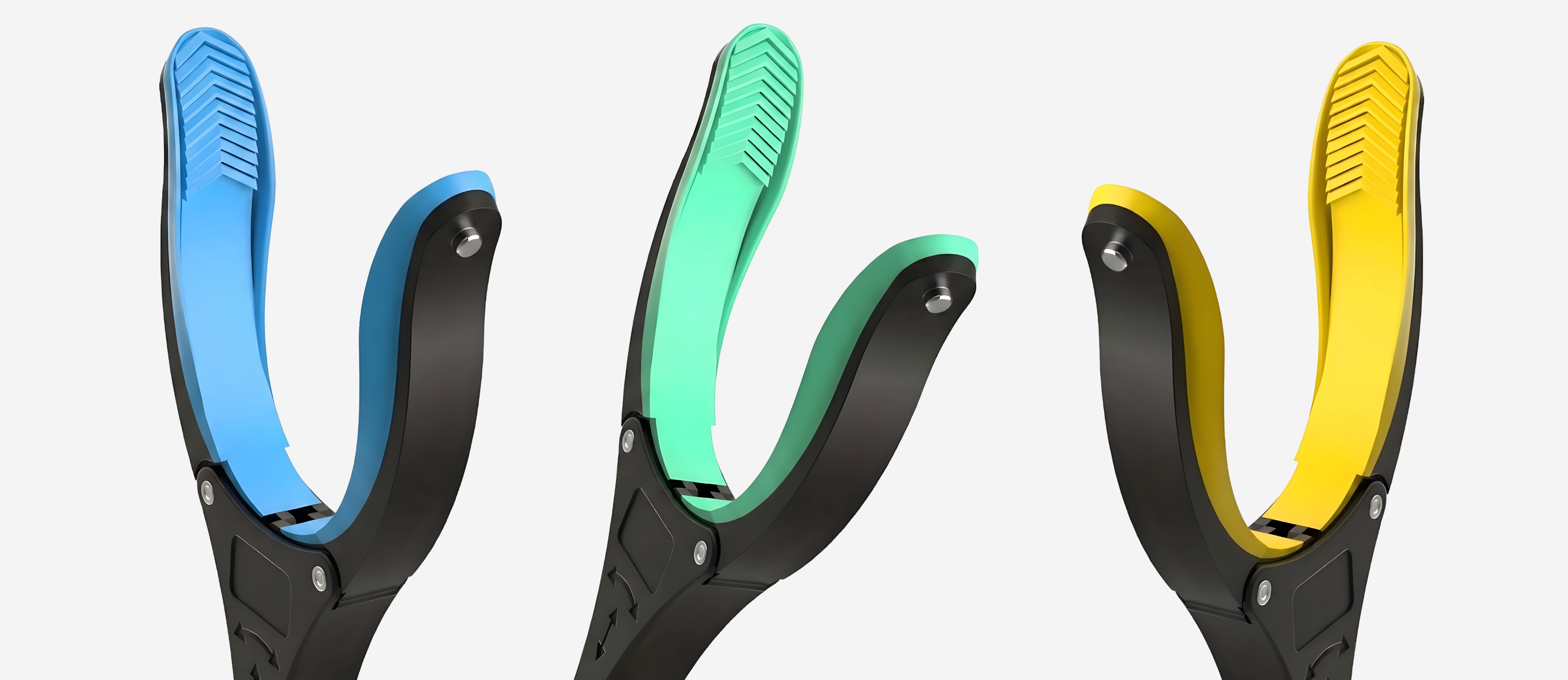
Direct answer: post-polio syndrome with new upper extremity weakness responds to the Electric Jar Opener and Electric Can Opener -- the muscles that were overworked to compensate for polio-affected motor neurons are now fatiguing in ways that affect kitchen tasks specifically. For patients with new gait deterioration: the Walking Cane addresses the balance instability that often accompanies post-polio lower extremity decline. The Reacher Grabber is indicated for patients with new bending limitation from lower extremity or back involvement.
Post-Polio Syndrome Features and Adaptive Tool Implications
| PPS Feature | Functional Impact | Adaptive Tool Response |
|---|---|---|
| New upper extremity weakness | Previously functional arm and hand strength declining; jar and can opening newly difficult; grip fatigue rapid | Electric Jar Opener; Electric Can Opener -- removes the sustained muscular demand that fatigues surviving motor neurons |
| PPS fatigue (central and peripheral) | Profound fatigue disproportionate to activity level; activity that was previously manageable now causes day-long recovery | Energy conservation throughout; all electric tools reduce kitchen task cost |
| New lower extremity weakness | Previously stable gait now deteriorating; falls risk; ambulatory status may be threatened | Walking Cane for gait support; reassess orthotic needs with physiatrist |
| Post-polio pain (joint and muscle) | Pain in joints and muscles that were overused in post-recovery compensation; worsened by activity | Energy conservation; avoid overuse; tools that reduce rather than replace muscle use |
Specifications for all GrabbersTool products are on the product pages. View Electric Jar Opener specifications.
The Overuse Principle in Post-Polio Management
Post-polio management differs fundamentally from most other conditions in its approach to activity: while exercise and activity are generally therapeutic for musculoskeletal conditions, overuse of post-polio-affected muscle groups accelerates the decline of surviving motor neurons. The adaptive tool recommendation for post-polio is specifically to reduce the demand on remaining motor neuron reserves -- not because the patient is currently unable to do tasks manually, but because doing them manually depletes the motor neuron pool faster. The electric jar opener for a post-polio patient with functional hand strength is a preservation strategy, not a compensation strategy: it protects remaining function by reserving it for tasks that cannot be automated. This is a nuanced clinical position that is worth understanding before making tool decisions.
The Post-Polio Patient Experience with New Tool Adoption
Many post-polio patients resisted adaptive tools during their initial recovery because they had achieved functional independence through intense compensatory effort. They are now encountering, sometimes for the first time, the experience of needing tools they previously could manage without. GrabbersTool hears from post-polio patients who describe a psychological difficulty with this second wave of functional loss that differs from their experience with the original polio: the original loss was acute and driven by clear disease process; the PPS decline is gradual and harder to attribute, and it arrives after decades of independence that felt hard-won. The adaptive tool adoption psychology for post-polio patients often involves an additional layer of grief around the independence narrative they built. See also: Psychology of Adaptive Tool Adoption: Why People Resist.
Browse Easy Grip Kitchen Openers, Ergonomic Mobility Solutions, and Reacher Grabber Tools.


