

Progressive supranuclear palsy (PSP) is the most common atypical parkinsonian syndrome (atypical Parkinsonism), caused by tau protein accumulation (tauopathy) in the basal ganglia, brainstem, and cerebellum. PSP presents with the distinctive clinical triad: (1) vertical gaze palsy (inability to look down voluntarily -- the patient cannot lower their gaze to see the floor, stairs, or food on the plate); (2) postural instability with characteristic backward falls (early falls, within the first year of symptoms; falling backward when pushed, turning, or walking -- the most dangerous PSP feature); (3) axial rigidity (trunk and neck stiffness greater than limb rigidity, unlike PD). Additional features: bulbar dysfunction (dysphagia, dysarthria), frontal lobe-type cognitive changes, and pseudobulbar affect. The kitchen is a high-risk environment for PSP falls: the backward fall tendency is unpredictable and violent; kitchen counters and appliances become impact hazards; the inability to look downward means the PSP patient cannot see low kitchen obstacles, the floor, or food on a low surface. PSP has no effective disease-modifying treatment; levodopa may provide modest benefit in a subset (PSP-P variant); falls management and caregiver support are the primary interventions.
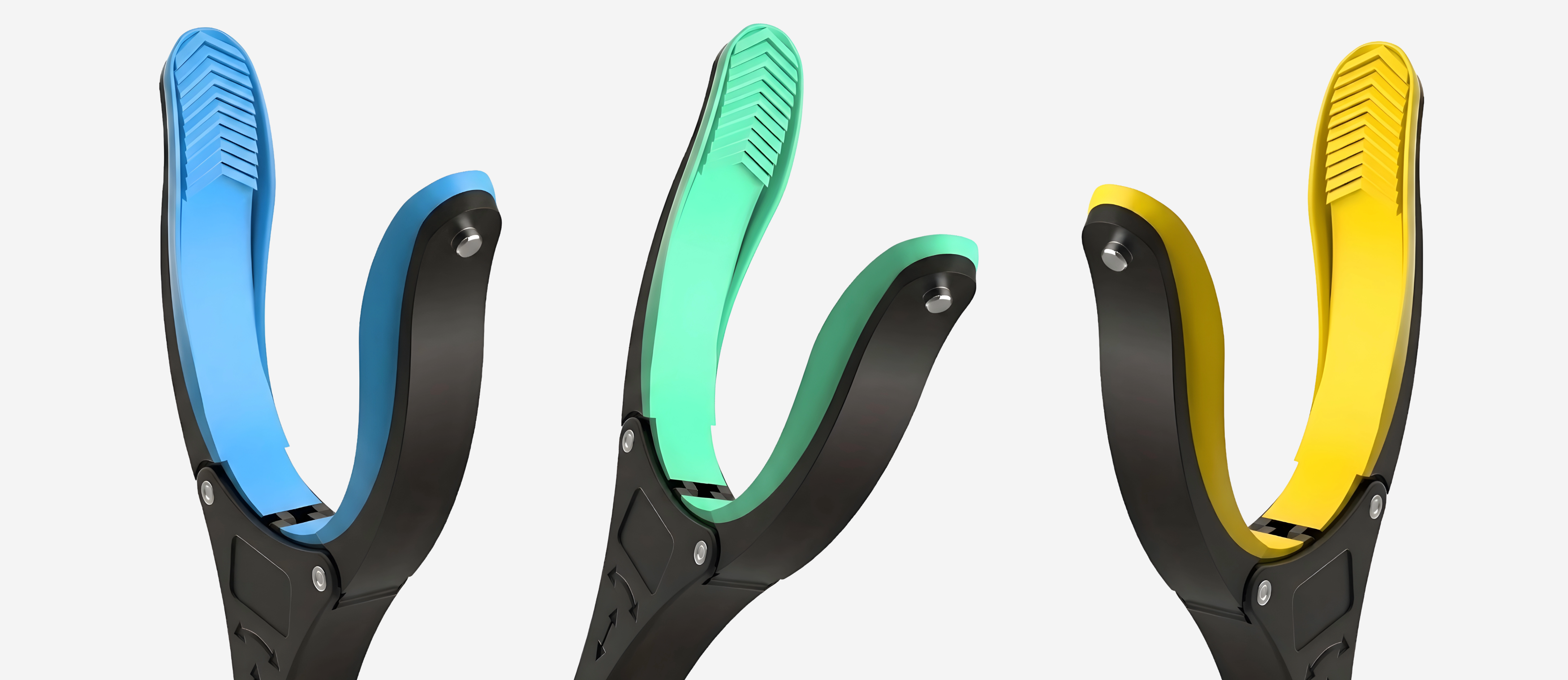
Direct answer: Progressive supranuclear palsy kitchen safety focuses on fall prevention (backward fall trajectory) and compensating for vertical gaze palsy. The kitchen must be modified to minimize backward fall hazards. Kitchen independence decreases as PSP progresses; caregiver supervision of kitchen use is necessary in moderate-to-severe PSP. The GrabbersTool 32-inch Reacher reduces the need for PSP patients to bend forward (which is difficult) or look downward for floor-level items.
Progressive Supranuclear Palsy Kitchen Safety Strategy
| PSP Feature | Kitchen Safety Risk | Safety Strategy |
|---|---|---|
| Backward falls (the most dangerous PSP feature) | PSP patients fall backward without warning -- the postural reflexes fail to correct backward sway; the kitchen has hard counters, sharp appliance edges, and the floor as backward fall impact hazards; turning in the kitchen (to move between the stove and counter) is a particularly high backward fall risk in PSP; the kitchen is one of the most dangerous spaces for PSP backward falls due to the density of hard surfaces | Kitchen fall hazard removal (sharp counter corners covered; soft padding on hard edges at head height for a backward fall); caregiver or family member supervision during kitchen use in moderate PSP; kitchen use restricted to seated tasks only (seated at kitchen table) as fall risk increases; avoid unnecessary kitchen turning movements; walker with posterior support (PSP patients often cannot use a standard walker -- use a PSP-specific heavy rolling walker that provides backward resistance) |
| Vertical gaze palsy (inability to look down) | PSP patients cannot look downward voluntarily; they cannot see the kitchen floor (trip hazards), low cabinet contents, food on a low table or plate in the lap, or low kitchen obstacles; this affects kitchen safety profoundly: cannot see where they are stepping in the kitchen; cannot read low-shelf food labels; cannot see items on a low counter | Remove all floor-level kitchen hazards (rugs, cables, low objects); reacher to retrieve floor-level or low-level items without requiring the patient to look downward or bend; move all kitchen items to eye-level or above; bright lighting throughout the kitchen to maximize visibility of what can be seen; occupational therapist kitchen assessment for PSP vertical gaze palsy |
| Dysphagia (pharyngeal and esophageal dysfunction) | PSP dysphagia from brainstem involvement causes aspiration risk; early satiety and slow eating; choking risk; food texture modification needed as PSP progresses; kitchen must prepare texture-modified dysphagia diet as the disease progresses | Speech-language pathologist for PSP dysphagia assessment and texture modification recommendations; puree and minced food preparation in the kitchen; sitting upright position during meals; caregiver meal preparation as PSP progresses and kitchen independence declines |
See the 32-inch Reacher for progressive supranuclear palsy kitchen safety support.


