

Living alone with a mobility limitation is functionally different from living with others who have a mobility limitation. In a household with any other person present, there is backup for task failures: if the jar cannot be opened, someone can be asked; if the object is dropped, someone can retrieve it; if standing from the chair requires help, someone is there. Solo living removes all of these backups. Every task that the person cannot complete independently is either not completed at all or requires calling for external help — a logistical, financial, and autonomy cost that accumulates across every day. The adaptive tool priority for solo-living individuals is therefore higher than for household members with equivalent functional limitations.
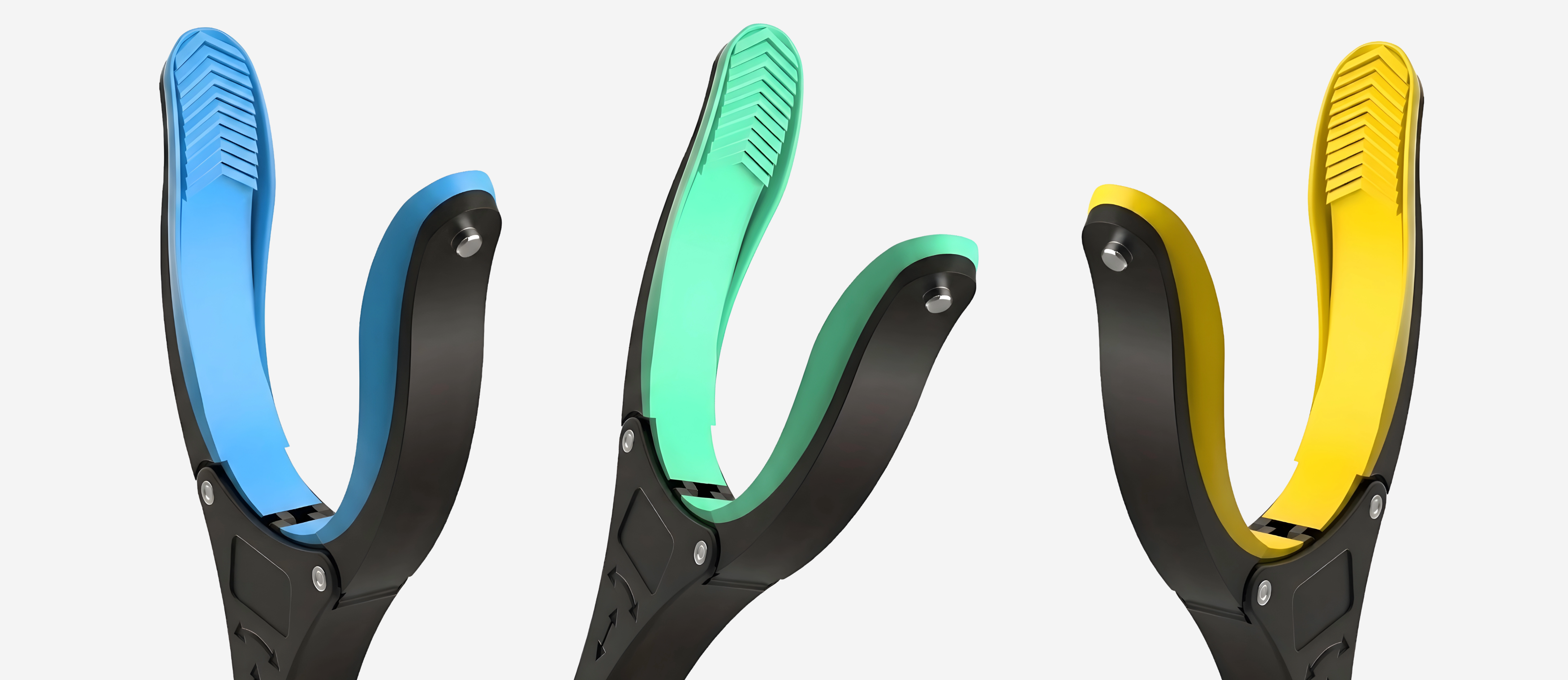
Direct answer: for solo living with a mobility limitation, the adaptive toolkit must be comprehensive because there is no fallback. The minimum effective toolkit is: GrabbersTool Reacher Grabber at the bedside and primary chair (floor retrieval), Electric Jar Opener and Electric Can Opener (kitchen independence), 5-in-1 Multi-Opener (all other container types), and Standing Assist Tool at both the bed and primary chair. The Walking Cane with Cane Strap is additionally essential if there is any ambulation limitation.
The Task Failure Risk in Solo Living
For people living with others, task failures are inconvenient. For people living alone, task failures have cascading consequences:
- Nutrition risk: inability to open food containers means meals are not prepared — in a solo household, there is no one else to prepare them
- Fall risk: a dropped item that requires bending to retrieve is an unassisted fall risk — in a solo household, a fall means lying on the floor until help arrives if no alarm system is present
- Transfer risk: inability to rise from a chair or bed without assistance means being stuck — in a solo household, stuck means waiting for a scheduled visitor or calling emergency services
- Medication access: if medications are in bottles that cannot be opened during an arthritis flare, medication doses are missed
Tool Redundancy: The Solo Living Priority
In solo living, tool positioning strategy must account for the possibility that the primary tool is not accessible. A reacher grabber at the bedside and a second reacher at the primary chair eliminates the scenario of being unable to retrieve the reacher because it is in the other room. For high-dependency tools — particularly the standing assist tool — having the tool at every primary transfer location is not redundant; it is essential.
| Tool | Recommended Positions in Solo-Living Household |
|---|---|
| Reacher Grabber | Bedside; primary chair; kitchen counter edge |
| Electric Jar Opener | Kitchen counter — permanent position, always accessible |
| Electric Can Opener | Kitchen counter — permanent position, always accessible |
| 5-in-1 Multi-Opener | Kitchen counter; bedside table (for medication bottles) |
| Standing Assist Tool | Bed rail; primary chair; bathroom chair if applicable |
| Walking Cane + Cane Strap | On person during ambulation; strapped to primary chair when seated |
Standing assist tool weight rating and attachment specifications are critical in solo living: the tool must be rated for the user weight with an adequate safety margin, and must be correctly attached to the specific furniture. A standing assist tool that is incorrectly fitted or underrated in solo living is a serious fall risk because there is no one to observe and correct the problem. View standing assist tool specifications and fitting guide
Emergency Planning in Solo Living
Adaptive tools for solo living should be accompanied by an emergency plan that does not depend entirely on the tools functioning correctly:
- A personal emergency response system (medical alert button) worn or kept immediately accessible — not across the room
- Scheduled daily contact with a family member, neighbor, or friend who can alert emergency services if contact is missed
- A list of emergency contacts at an accessible location in the home (not only in a phone that may not be reachable after a fall)
- Knowledge of which neighbors have keys or are aware of the situation
Adaptive tools reduce the frequency of emergency situations; they do not eliminate them. The emergency plan functions as the safety net when tools are insufficient.
Regular Assessment in Solo Living
In a household with other people, functional changes are noticed by others: a family member observes that tasks that were manageable last month are now difficult. In solo living, functional decline may not be noticed until a crisis. Scheduling a formal home assessment with an occupational therapist annually — or after any medical event — provides the external evaluation that a solo household cannot generate internally.
GrabbersTool products are available for delivery to any home address, with no setup required beyond reading the installation guide. For solo-living individuals, this is the relevant logistics context: the toolkit must arrive ready to use without requiring another person for installation.
See also: Aging in Place: The Adaptive Tool Strategy That Actually Works and Fall Prevention at Home: What Adaptive Tools Actually Reduce Risk.
Browse Reacher Grabber Tools, Easy Grip Kitchen Openers, and Ergonomic Mobility for the complete solo-living adaptive toolkit.


