

Spinal cord stimulation (SCS) is a neuromodulation therapy for chronic pain conditions including failed back surgery syndrome, complex regional pain syndrome (CRPS), and other chronic intractable pain states. An SCS system consists of epidural leads (electrode arrays placed in the epidural space of the spine) and an implantable pulse generator (IPG, battery/generator) implanted subcutaneously, usually in the buttock or abdomen. After permanent implant, patients have a healing period of 6-8 weeks during which the leads must be allowed to anchor in position to prevent lead migration; the primary activity restrictions during this period are: no bending or twisting at the waist (which can displace thoracic leads), no reaching overhead beyond shoulder height (which stretches the dura and may displace cervical leads), no lifting more than 5-10 lbs, and no driving (due to potential for SCS stimulation to distract from driving). These post-implant restrictions significantly affect kitchen function and closely resemble the restrictions after spinal fusion surgery. After the healing period, patients have fewer restrictions, though high-impact activities and MRI are generally avoided.
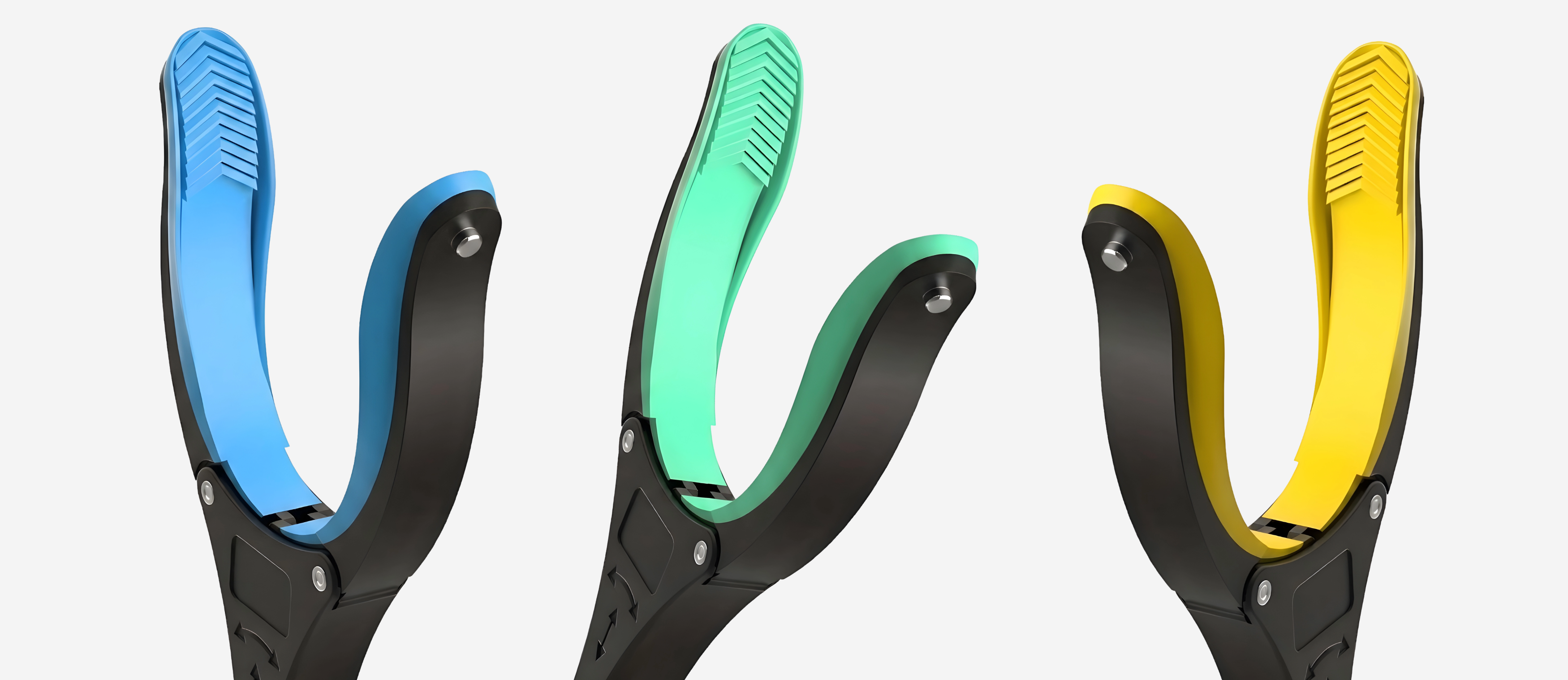
Direct answer: SCS implant recovery kitchen adaptive tools address the 6-8 week post-implant lead protection period: no trunk bending, no overhead reach, and no heavy lifting. The reacher eliminates floor-level bending (the most dangerous lead-displacing movement). The 43-inch reacher eliminates overhead reach beyond shoulder height. The GrabbersTool 32-inch Reacher and 43-inch Reacher address the two primary SCS implant kitchen activity restrictions.
SCS Implant Recovery Kitchen Restriction Strategy
| SCS Post-Implant Restriction | Kitchen Impact | Adaptive Solution |
|---|---|---|
| No trunk bending or twisting (6-8 weeks) | Thoracic and lumbar SCS leads are anchored in the epidural space but can migrate with significant trunk flexion or rotation during the first 6-8 weeks; floor-level kitchen item retrieval requires trunk flexion -- the primary lead-displacement risk from kitchen tasks; dishwasher loading also requires trunk flexion | 32-inch reacher (GrabbersTool) for all floor-level item retrieval without bending; long-handled dustpan; no bending for dropped items during lead healing period; caregiver assistance for dishwasher loading |
| No overhead arm elevation above shoulder (cervical SCS leads) | Cervical SCS leads can be displaced by overhead arm elevation which creates cervical traction; overhead kitchen cabinet access requires arm elevation above shoulder -- restricted during the healing period for cervical lead SCS patients | 43-inch reacher for overhead kitchen cabinet access without arm elevation above shoulder; reorganize kitchen items to counter height during the healing period; caregiver assistance for overhead items during restriction period |
| No lifting more than 5-10 lbs | 5-10 lb restriction limits all but the lightest kitchen tasks; virtually all pots, serving dishes, and grocery bags exceed this limit; most kitchen cooking involves items heavier than 10 lbs when filled | Caregiver kitchen assistance for all heavy lifting during restriction; smallest possible portion cooking to reduce pot weights; slide items on counter; meal delivery service during acute SCS recovery period |
| IPG site considerations (abdomen or buttock incision) | IPG pocket incision (typically in the upper buttock or lower abdomen) is tender for several weeks after implant; sitting for extended kitchen preparation may be uncomfortable if IPG site is in the buttock; pulling or stretching the incision site is painful | Seated kitchen preparation with adequate IPG site cushioning; standing preparation if buttock IPG site makes sitting uncomfortable; adjust kitchen activity position to minimize IPG site pressure |
See the 32-inch Reacher and 43-inch Reacher for SCS implant kitchen activity restriction support.


