

Spinal fusion surgery permanently joins two or more vertebrae to eliminate motion between them, performed for various conditions including degenerative disc disease, spondylolisthesis, spinal stenosis (often with decompression), scoliosis and deformity, fractures, and instability. The surgery involves placing bone graft and usually instrumentation (screws, rods, cages) to fuse the vertebrae, which then heal into a solid bony union over months. Spinal fusion recovery is significant and involves specific precautions to protect the healing fusion while the bone graft consolidates. The key precautions are commonly summarized as BLT -- no Bending, Lifting, or Twisting -- for a period after surgery (typically several weeks to months, surgeon-specific): no bending (avoiding forward spinal flexion, which stresses the fusion), no lifting (avoiding lifting beyond a specified weight limit, often quite restrictive early on, to protect the fusion), and no twisting (avoiding spinal rotation, which stresses the fusion). These precautions protect the healing fusion from forces that could disrupt it before it consolidates. Additionally, recovery involves incision healing, reduced endurance, pain management, activity restrictions, and often a gradual, months-long rehabilitation. A back brace may be prescribed. The BLT precautions -- particularly no bending -- significantly affect kitchen function, which involves bending (reaching low items), lifting (pots, groceries), and twisting (turning to reach). Kitchen adaptation during spinal fusion recovery centers on avoiding the bending, lifting, and twisting that the precautions prohibit, with the reacher being especially important for avoiding bending.
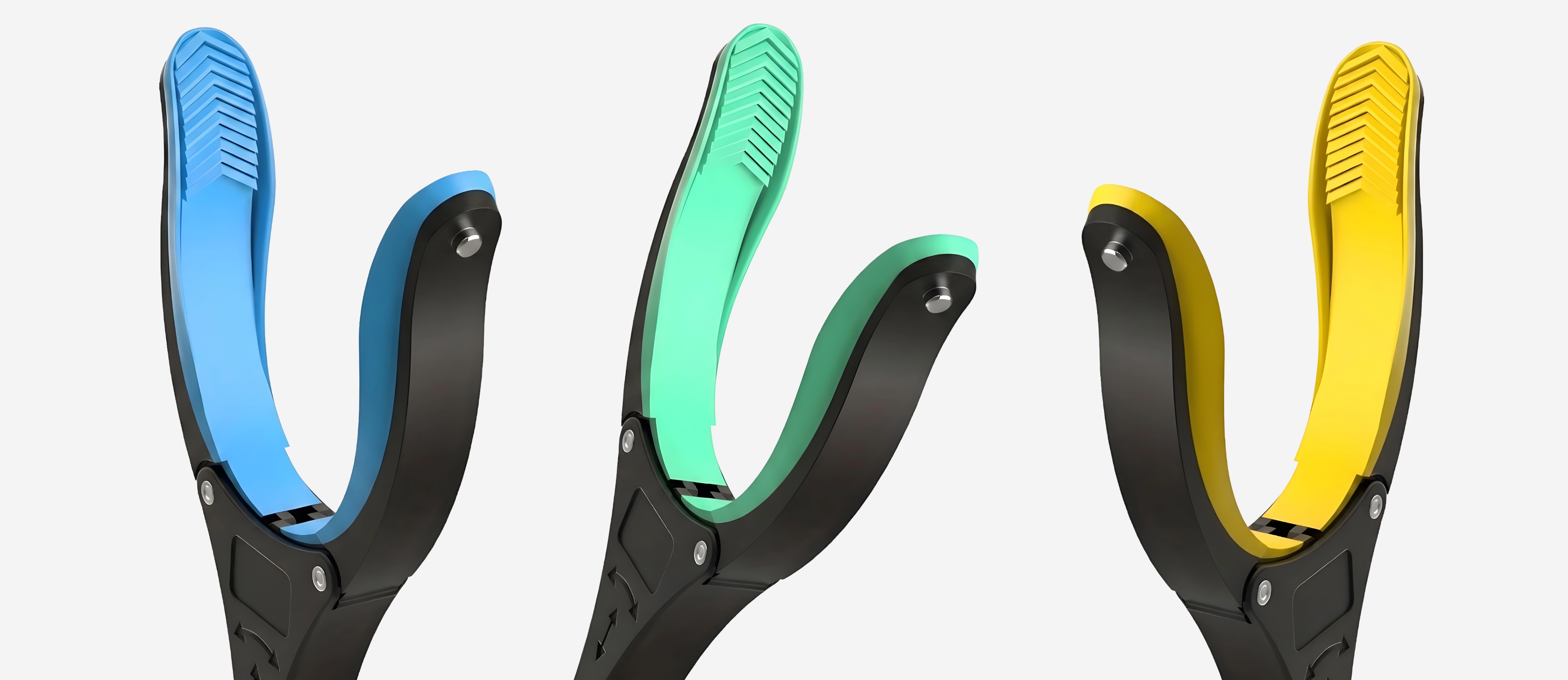
Direct answer: Spinal fusion recovery kitchen adaptive tools address the BLT precautions -- no bending, lifting, or twisting: reachers to retrieve low items without bending or twisting, lightweight and load-reduction strategies for lifting restrictions, and accessible organization. The GrabbersTool 32-inch Reacher is essential during spinal fusion recovery -- it retrieves low and distant kitchen items without the bending and twisting the BLT precautions prohibit.
Spinal Fusion Recovery Kitchen Strategy
| BLT Precaution | Kitchen Restriction | Adaptive Solution |
|---|---|---|
| No bending (avoiding spinal flexion) | The no-bending precaution after spinal fusion prohibits forward spinal flexion -- bending forward and down to reach low kitchen cabinets, retrieve floor-level items, load and unload low dishwasher racks, and reach into low ovens and refrigerator drawers involves the spinal flexion that stresses the healing fusion and is prohibited; the no-bending precaution significantly affects access to low kitchen storage; bending is one of the most restricted and kitchen-relevant precautions; avoiding spinal flexion protects the healing fusion; the no-bending restriction is maintained for weeks to months per the surgeon | Reacher grabber (GrabbersTool 32-inch) is essential during spinal fusion recovery to retrieve low, floor-level, and low-cabinet kitchen items without the forward spinal flexion the no-bending precaution prohibits -- the primary tool for the no-bending restriction; kitchen reorganization to place frequently used items at accessible waist-to-shoulder height (avoiding low bending -- ideally arranged before surgery); avoid all forward-bending kitchen tasks; the reacher accesses low items without spinal flexion, protecting the healing fusion; occupational therapy teaches spinal precaution-compliant technique and reacher use before discharge |
| No lifting (weight restrictions) | The no-lifting precaution after spinal fusion restricts lifting beyond a specified weight limit (often quite restrictive early on -- sometimes just a few pounds) to protect the healing fusion -- many kitchen tasks involve lifting that exceeds the restriction: lifting full pots and pans, carrying groceries, lifting cookware and appliances, and moving filled containers; the lifting restriction significantly limits kitchen tasks during recovery; loading the spine with lifting stresses the fusion; the lifting restriction is maintained for weeks to months (with gradual increases) per the surgeon; kitchen tasks requiring lifting are substantially restricted | Avoid lifting beyond the spinal fusion weight restriction (fill pots with a measuring cup rather than lifting when full; use lightweight cookware; prepare smaller quantities; slide items along counters; use a wheeled cart; ask for help with heavy items); reacher grabber for retrieving lightweight items; prepare simple meals requiring minimal lifting; keep lightweight frequently used items accessible; follow the specific lifting restrictions and gradual progression from the surgeon; the strategies keep kitchen lifting within the fusion precaution limits |
| No twisting, endurance, and spinal fusion recovery progression | The no-twisting precaution after spinal fusion prohibits spinal rotation -- twisting to reach kitchen items to the side, turning while carrying, and rotational movements stress the healing fusion and are prohibited; kitchen tasks involving twisting (turning to reach the counter, stove, or items to the side) are restricted; spinal fusion recovery also involves reduced endurance, incision healing, pain, and often a back brace; the recovery is gradual over months as the fusion consolidates; the no-twisting precaution affects kitchen reaching and turning; as the fusion heals and precautions are lifted, kitchen function progressively returns | Avoid twisting during kitchen tasks (move the feet to turn the whole body rather than twisting the spine -- face items directly; avoid rotational reaching); arrange the kitchen so items are within reach without twisting; reacher grabber to reach items without twisting (position and use it to avoid spinal rotation); seated preparation for reduced endurance (with attention to spinal precaution-compliant seating and posture); gradual return to kitchen activity as the fusion heals and precautions are lifted per the surgeon; the reacher, no-twist technique, and load-reduction strategies protect the healing fusion; surgeon guidance for the recovery progression and when precautions are lifted |
See the 32-inch Reacher for spinal fusion recovery BLT precaution kitchen support.


