

Stiff person syndrome (SPS), formerly called stiff man syndrome, is a rare autoimmune neurological disorder characterized by progressive muscle rigidity (predominantly axial: trunk and lumbar musculature), episodic painful muscle spasms triggered by sensory stimuli (noise, touch, emotional stress), and a profound phobia of falling due to the rigidity and spasm pattern. Most SPS patients have antibodies against glutamic acid decarboxylase 65 (anti-GAD65); a minority have anti-amphiphysin antibodies (paraneoplastic SPS, associated with breast and lung cancer). SPS causes: (1) lumbar hyperlordosis and trunk stiffness, affecting bending and trunk flexibility; (2) episodic violent trunk and limb spasms triggered by unexpected stimuli (the kitchen has many startle triggers: unexpected noise, the phone ringing, someone entering the kitchen, the stove timer); (3) fear of falling -- the combination of rigidity, spasm, and difficulty recovering balance after perturbation creates a profound fall phobia that limits all activities including kitchen use; (4) axial rigidity makes bending forward difficult, limiting low-level kitchen item access. Treatment includes diazepam (GABAergic suppression of spasms), baclofen, and immunotherapy (IVIG, plasmapheresis, rituximab).
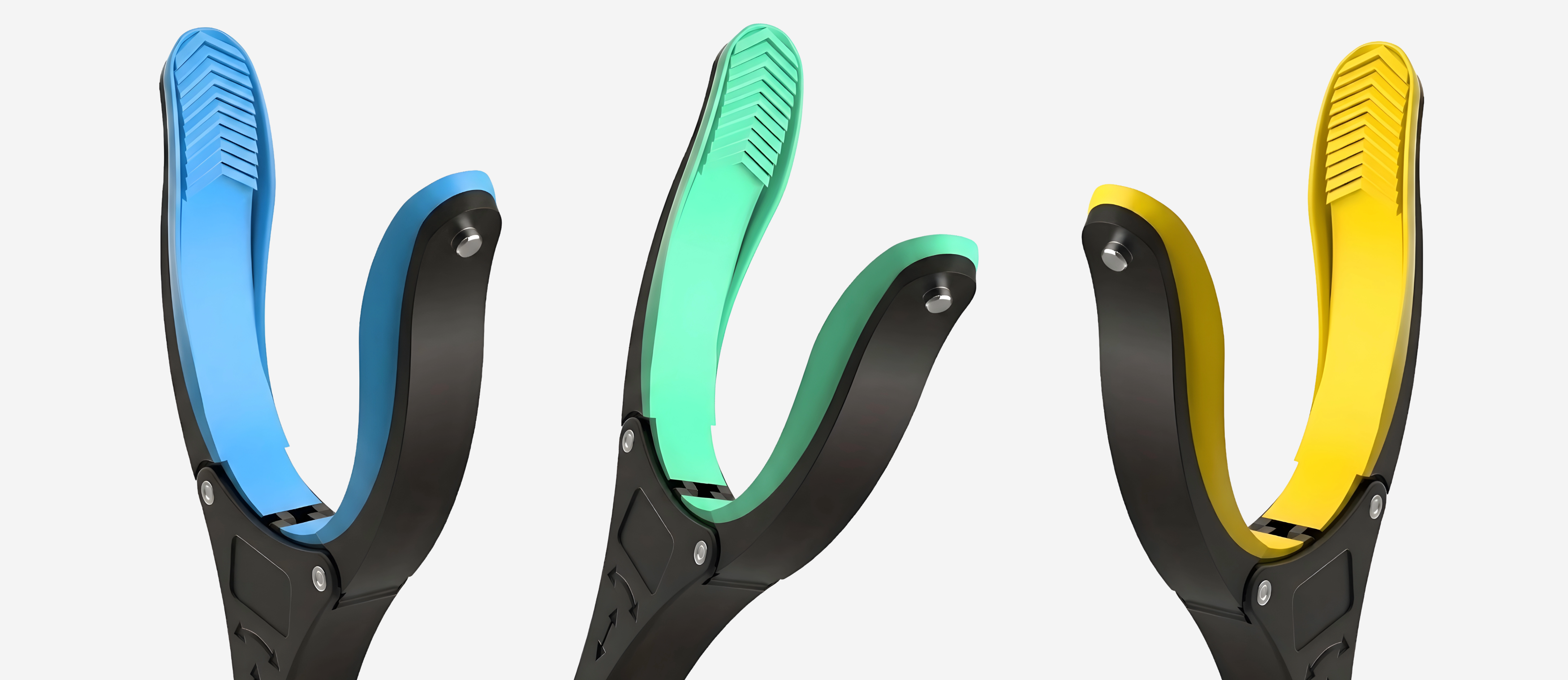
Direct answer: Stiff person syndrome kitchen adaptive tools address the core SPS kitchen challenges: trunk rigidity that prevents bending (reacher for low items), startle-triggered spasms (quiet kitchen environment, warning signals before sounds that might trigger spasms), and fall phobia (kitchen safety modifications). The GrabbersTool 32-inch Reacher is the key kitchen tool for SPS trunk rigidity, eliminating bending that is restricted by lumbar hyperlordosis and rigidity.
Stiff Person Syndrome Kitchen Safety Strategy
| SPS Feature | Kitchen Safety Risk | Adaptive Strategy |
|---|---|---|
| Trunk rigidity and lumbar hyperlordosis (bending restriction) | SPS axial rigidity means the lumbar spine is held in hyperlordosis with paraspinal muscle co-contraction; bending forward to access low kitchen cabinets, floor items, or low oven shelves requires lumbar flexion that is severely restricted by SPS rigidity; forward bending in SPS may trigger painful trunk spasms; low-level kitchen access is the most affected ADL from SPS trunk rigidity | Reacher grabber (GrabbersTool) for all low-level kitchen items without requiring lumbar flexion; kitchen reorganization to waist height (all frequently used items moved from low cabinets to counter level or drawer level); oven drawer at counter height instead of low; occupational therapist for SPS trunk rigidity kitchen adaptation |
| Startle-induced spasms (kitchen noise triggers) | SPS spasms are triggered by unexpected sensory stimuli; the kitchen generates multiple potential startle triggers: unexpected loud sounds (smoke alarm, timer, doorbell, dropped item), unexpected touch (someone brushing past in the kitchen), cold contact, and emotional stress during cooking; a spasm episode in the kitchen may cause the SPS patient to drop hot items, fall, or collide with kitchen appliances during the violent spasm | Reduce unexpected kitchen noise triggers: use gentle-tone alarms instead of loud buzzers; warn the SPS patient before entering the kitchen; silence notifications during kitchen use; protect from unexpected sounds during vulnerable kitchen moments (while carrying hot items, while standing at the stove); diazepam optimization per neurologist may reduce spasm frequency and severity; SPS patient should not cook alone during severe spasm periods |
| Fear of falling and fall phobia | SPS fall phobia is profound and can be more disabling than the physical rigidity itself; the fear of falling limits all physical activities including kitchen use; the SPS patient may refuse to enter the kitchen alone due to fall anxiety; kitchen surfaces (hard tile, slippery floor) make falling seem more dangerous; fall phobia in SPS is a specific psychological barrier to kitchen independence | Kitchen fall safety modifications (non-slip kitchen mats, clear pathways, grab bars near high-risk transition points); seated kitchen preparation to remove the standing balance component; cognitive behavioral therapy (CBT) for SPS fall phobia per psychology; graded kitchen independence program with occupational therapist; SPS treatment (diazepam, baclofen) improves rigidity and may partially reduce fall phobia |
See the 32-inch Reacher for stiff person syndrome kitchen safety support.


