

The return home from hospital or inpatient rehabilitation after stroke is one of the highest-risk transition points in stroke recovery. The inpatient rehab environment is designed for recovery -- grab bars everywhere, non-slip floors, staff available -- but the home environment is designed for a person in full health who did not need these features. The gap between what the stroke survivor's home provides and what they now need can produce falls and functional setbacks in the critical early weeks of home recovery. Caregivers who prepare the home before discharge dramatically reduce this risk.
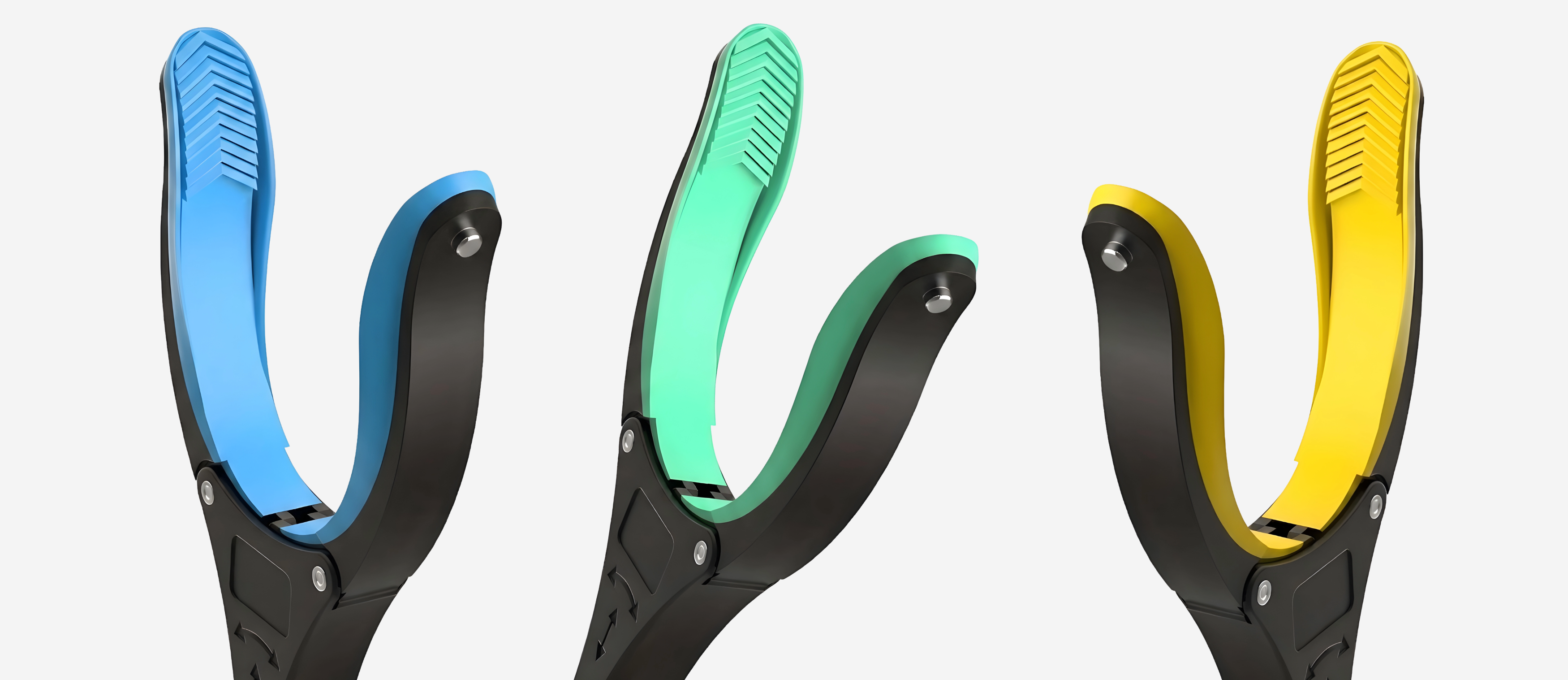
Direct answer: Before a stroke patient returns home, caregivers should address three priority areas: bathroom safety (grab bars at toilet and shower, non-slip mat, shower chair), bedroom safety (path to bathroom clear and lit, phone accessible from bed), and kitchen independence (reacher grabber for floor retrieval, electric tools for one-sided kitchen function if hemiplegia is present). The GrabbersTool Reacher is the most universally needed stroke recovery adaptive tool because it addresses floor retrieval with one hand.
Pre-Discharge Home Preparation Checklist
| Area | Action | Priority |
|---|---|---|
| Bathroom | Grab bars at toilet; shower chair; non-slip bath mat; handheld showerhead | Critical -- before discharge |
| Bedroom | Clear path to bathroom; nightlight; phone accessible from bed; bed at appropriate height | Critical -- before discharge |
| Kitchen | Reacher grabber; electric jar opener (if one-handed); reorganize daily items to counter height | High priority |
| Entryway | Remove threshold rugs; install handrail if steps present; remove loose items from path | Critical -- before discharge |
| Living areas | Remove throw rugs; clear furniture paths for walker or wheelchair width; raise chair heights | High priority |
Supporting Independence vs. Doing Everything
A common caregiver mistake is doing tasks for the stroke survivor that they could do with adaptive assistance. Recovery of function requires using the affected side -- this is the principle behind stroke rehabilitation. The caregiver role is to set up the environment so the survivor can attempt tasks safely, not to replace all tasks with caregiver assistance. Providing a reacher and letting the survivor retrieve their own dropped items is better for recovery than retrieving items for them.
The GrabbersTool 32-inch Reacher supports single-handed stroke recovery independence. The Electric Jar Opener handles the bilateral kitchen task that hemiplegia makes impossible. Browse the reacher collection and kitchen adaptive tools.


