

Veterans of military service may experience a range of service-related disabilities with kitchen function implications. The signature injuries of recent conflicts (Iraq and Afghanistan) include: blast-related traumatic brain injury (mTBI -- often from improvised explosive device blasts), polytrauma (multiple simultaneous injuries including extremity loss, burn injuries, and TBI), combat-related amputations (the rate of limb preservation has improved but amputation rates remain significant), post-traumatic stress disorder (PTSD, which has complex effects on daily functioning including kitchen anxiety and avoidance), and chronic musculoskeletal injuries from training, overuse, and combat activity. Veterans who were injured during service typically receive care through the VA (Veterans Affairs) healthcare system, which includes prosthetics and adaptive equipment services through the VA Polytrauma centers and adaptive equipment programs. VA occupational therapists are specifically trained to assess veteran home function and prescribe adaptive aids including kitchen tools.
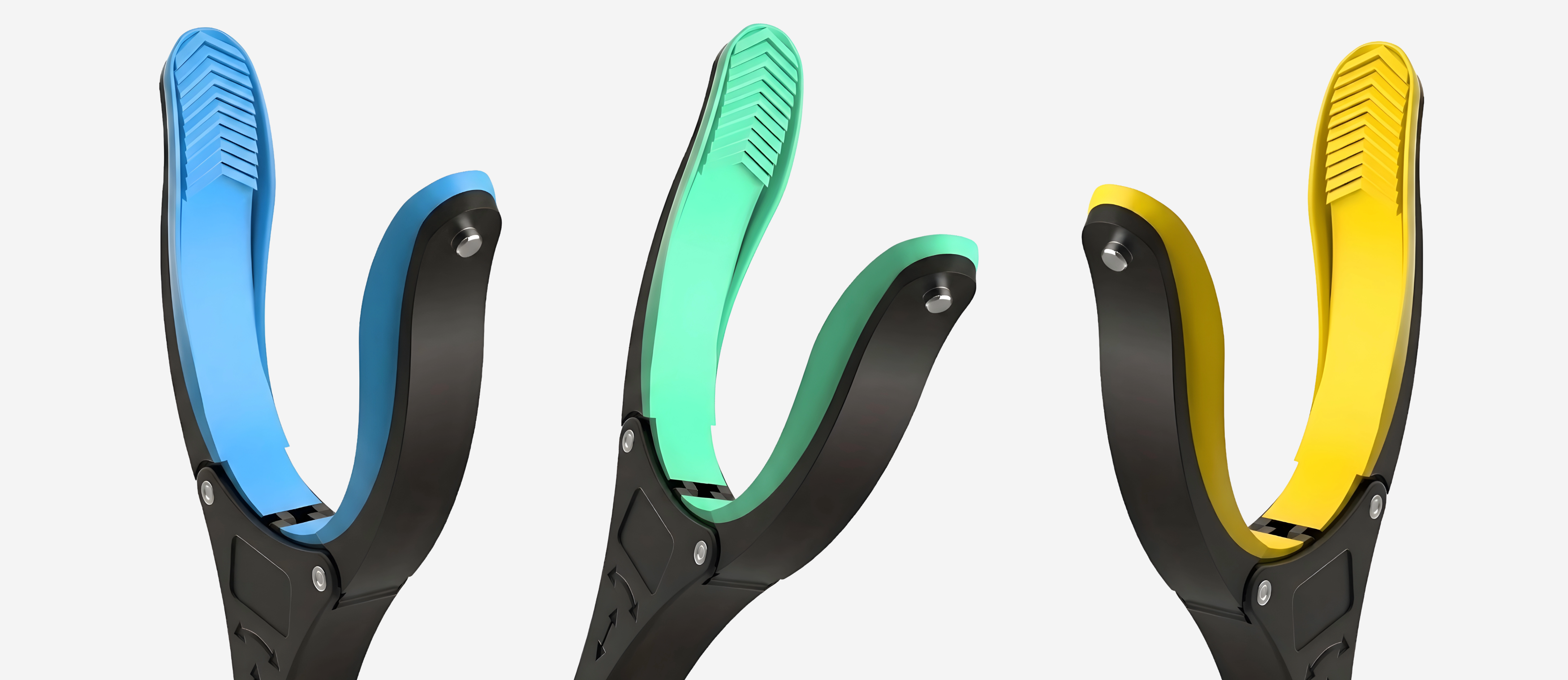
Direct answer: Veteran adaptive kitchen tools depend on the specific service-related disability profile. Combat-related upper extremity amputation (transhumeral or transradial) creates a one-handed kitchen situation addressed by the electric jar opener and suction-base kitchen aids. Blast TBI creates the cognitive-motor kitchen limitation profile described in the TBI article. Chronic musculoskeletal injury (knee, back, shoulder) creates the same adaptive tool needs as civilian populations with those conditions. The GrabbersTool Electric Jar Opener and 32-inch Reacher address the most common veteran disability kitchen limitations.
Service-Related Disability and Adaptive Kitchen Tool Profile
| Service-Related Disability | Kitchen Function Impact | Adaptive Tool Priority |
|---|---|---|
| Upper extremity amputation (transradial or transhumeral) | One-arm or limited prosthetic function; bilateral kitchen tasks require adaptive strategy; jar opening requires both arms | Electric jar opener (one-hand operation essential); suction cutting boards; one-handed kitchen strategy; prosthetic terminal device for kitchen tasks where applicable |
| Lower extremity amputation (transtibial or transfemoral) | Prosthetic ambulation; standing endurance variable by prosthetic quality and fitting; balance considerations in kitchen | Prosthetic ambulation typically allows good kitchen independence; seated cooking option; reacher if balance during bending is uncertain; anti-fatigue mat for residual limb comfort with prosthetic |
| Blast-related TBI (cognitive) | Cognitive-executive kitchen limitation; safety risks with stove; fatigue from cognitive effort | Electric jar opener (simple one-step operation); simplified kitchen tasks; stove auto-shutoff; caregiver or buddy system during complex cooking; see TBI kitchen guide for full strategy |
| Chronic musculoskeletal injuries (back, knee, shoulder) | Same as civilian population with those injuries; varies by location and severity | Reacher for back and lower extremity injuries; electric jar opener for shoulder and upper extremity injuries; condition-specific guide applies |
Browse the reacher collection and Electric Jar Opener for veteran disability kitchen independence support.


