

Vision loss significantly affects kitchen function because cooking and kitchen tasks involve many visually demanding activities. This guide focuses on practical low vision cooking strategies for people with usable but reduced vision (low vision), from conditions such as age-related macular degeneration (AMD -- the leading cause of vision loss in older adults, affecting the central detailed vision), glaucoma (affecting peripheral vision), diabetic retinopathy, and other causes of vision loss. Low vision affects kitchen tasks such as: reading recipes, food labels, and appliance controls; measuring ingredients; identifying foods, ingredients, and containers; monitoring cooking (judging doneness, seeing boiling and browning); using appliances and their controls; and safely handling sharp implements and hot items. Low vision cooking strategies maximize the person usable vision (through lighting, contrast, and magnification) and use non-visual techniques and organization where helpful. The key strategies are: lighting (bright, even, glare-free lighting greatly improves low vision function -- poor lighting is a major barrier), contrast (using high contrast between items, foods, surfaces, and backgrounds to make things easier to see -- a cornerstone of low vision adaptation), magnification (magnifiers and large-print tools for reading and detailed tasks), organization (consistent organization so the person knows where things are), tactile and other cues (tactile markings and other non-visual cues where helpful), and safety measures (given the reduced vision and kitchen hazards). Occupational therapy and vision rehabilitation specialists provide valuable low vision cooking assessment and training. This guide covers practical low vision cooking strategies.
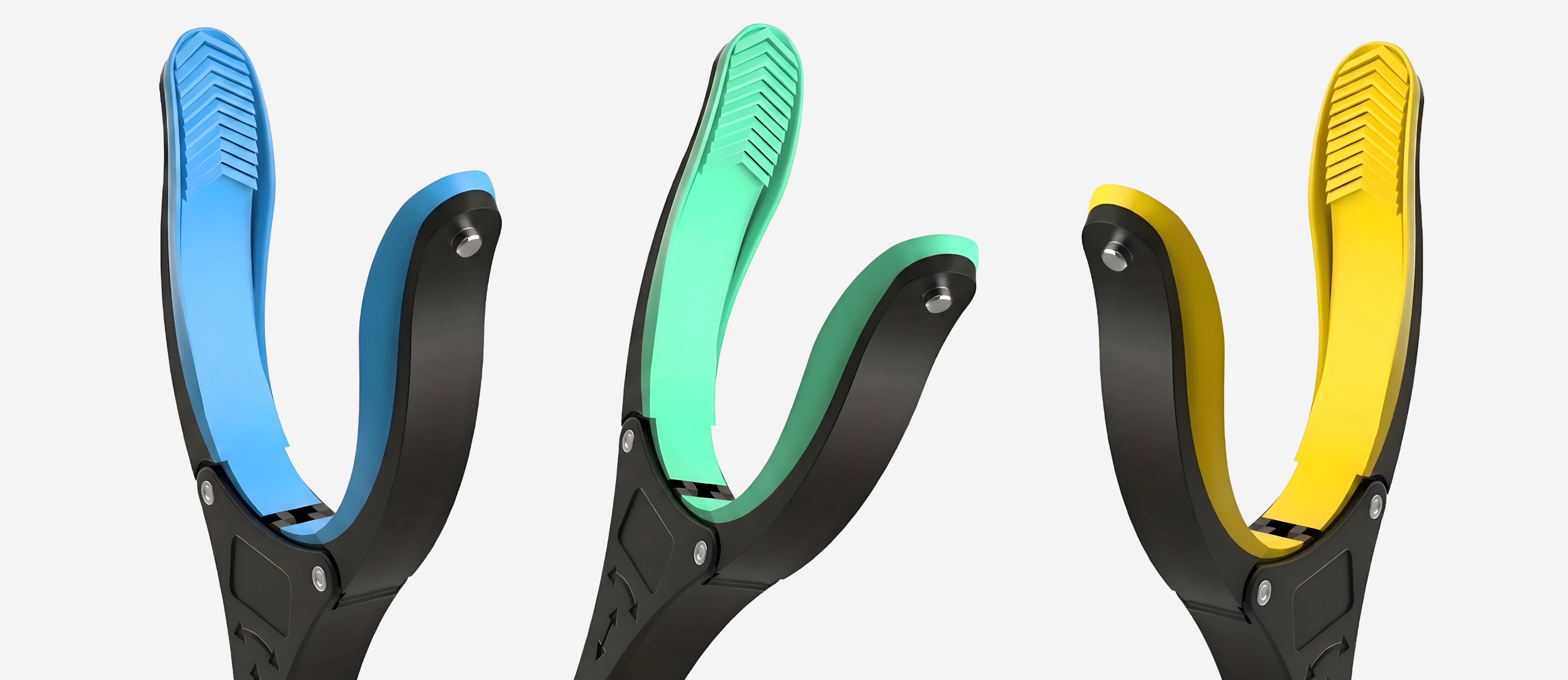
Direct answer: Low vision cooking strategies maximize usable vision through bright glare-free lighting, high contrast (dark boards for light foods and vice versa, contrasting tape on controls and edges), magnification, and consistent organization, plus safety measures and tactile cues. Reachers help safely retrieve items without groping. The GrabbersTool reacher collection supports safe item retrieval, complementing the lighting, contrast, and organization central to low vision cooking.
Low Vision Cooking Strategies
| Low Vision Strategy | Kitchen Application | Practical Approach |
|---|---|---|
| Lighting and contrast | Poor lighting and low contrast are major barriers for low vision in the kitchen -- inadequate lighting makes everything harder to see, and low-contrast tasks (measuring clear liquids, seeing food on similar-colored surfaces, and reading low-contrast controls) are difficult; good lighting and high contrast dramatically improve low vision function; the kitchen is often inadequately lit and full of low-contrast tasks; maximizing the usable vision through lighting and contrast is the cornerstone of low vision cooking | Maximize lighting (bright, even, glare-free task lighting over kitchen work surfaces -- under-cabinet lighting over counters; good overall lighting; reduce glare with matte surfaces and adjustable lighting); use high contrast throughout the kitchen (a dark cutting board for light foods and a light board for dark foods; contrasting colors for counters, dishes, and food; contrasting tape on appliance controls, counter edges, and dial settings; dark liquids in light cups and vice versa); the lighting and contrast maximize the usable vision -- the cornerstone of low vision cooking |
| Magnification, large print, and identification | Reading recipes, food labels, appliance controls, and measuring markings, and identifying foods and containers, are difficult with low vision -- the detailed visual tasks (especially with central vision loss from AMD) are affected; magnification and large-print tools help with these detailed tasks; identifying similar-looking items is challenging; the reading, measuring, and identification tasks require magnification and other strategies with low vision | Magnification (handheld or stand magnifiers for reading recipes and labels; magnifying and large-display tools); large-print and high-contrast kitchen tools (large-print measuring cups and spoons with high-contrast markings; large-print timers and appliance controls; tactile or large-marked settings); identification strategies (organize and label foods and containers -- large-print or tactile labels; consistent placement; distinctive containers); the magnification, large-print tools, and identification strategies support the detailed visual tasks; talking devices (talking scales, timers, thermometers) for tasks that are difficult visually |
| Organization, safety, and low vision cooking support | Consistent organization (knowing where everything is) is important for low vision cooking -- it enables function without relying entirely on vision to find things; kitchen safety is important with reduced vision (the kitchen hazards -- heat, sharp implements -- combined with reduced vision require safety measures); retrieving items from cabinets and shelves that are hard to see clearly risks knocking things over; the combination of organization, safety measures, and the visual strategies supports low vision cooking; vision rehabilitation provides valuable low vision cooking training | Consistent organization (keep items in consistent, known locations -- return them to the same place; organized, uncluttered kitchen); safety measures (careful handling of hot items and sharp implements with reduced vision -- use contrast and lighting to see them, and careful technique; induction cooktops for reduced burn risk; the reacher to safely retrieve items from cabinets without groping and knocking things over -- the reacher extends reach with tactile feedback through the tool); vision rehabilitation and occupational therapy for low vision cooking assessment and training; the organization, safety measures, and visual strategies (lighting, contrast, magnification) together support low vision cooking; the reacher supports safe item retrieval; see the related [[adaptive-tools-visual-impairment-low-vision-blind-kitchen]] guide |
See the reacher grabber collection for low vision safe item retrieval support, alongside lighting, contrast, and organization strategies.


