

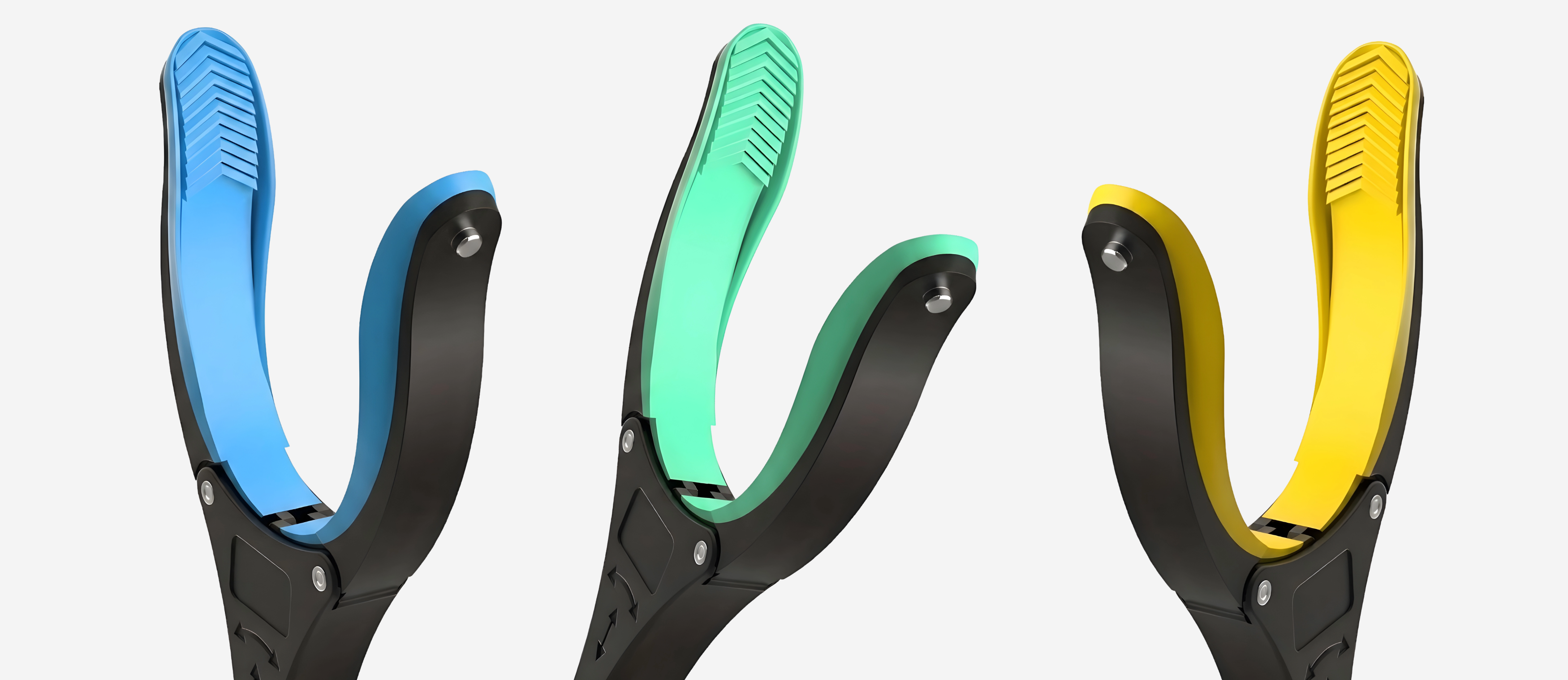
Adaptive tools for ADHD are rarely discussed in the assistive technology literature -- most adaptive tool resources focus on physical limitations, and ADHD is a cognitive-executive condition. But GrabbersTool hears from adults with ADHD specifically about kitchen difficulties: dropped items not picked up because the task requires bending that interrupts the cooking task already underway; jar lids that require sustained attention and physical effort that feels disproportionate to the reward; electric cords that become hazards when attention moves elsewhere. The adaptive tool conversation for ADHD is about reducing task friction, eliminating unnecessary physical steps, and simplifying the kitchen environment to match the attention profile of the ADHD brain.
Direct answer: for adults with ADHD, adaptive kitchen tools reduce multi-step task sequences and eliminate physical obstacles that interrupt cooking flow. The GrabbersTool Electric Jar Opener converts jar opening from a 5-step manual task (grip, rotate, retry, switch hands, struggle) to a 2-step automated task (place, press). The Reacher Grabber eliminates the decision-and-interruption cycle of dropped item retrieval -- pick it up from standing without stopping the task at the stove.
ADHD Executive Function Challenges and Kitchen Friction Points
| Executive Function Challenge | Kitchen Manifestation | Adaptive Tool Approach |
|---|---|---|
| Task initiation difficulty | Jar opening that requires multiple attempts creates barrier to starting meal prep | Electric Jar Opener -- reliable first-attempt success reduces initiation barrier |
| Working memory load | Managing multiple simultaneous cooking steps is disrupted by physical struggles | Electric openers reduce physical task time, freeing attention for cooking sequence |
| Dropped item avoidance (hypo-arousal) | Dropped items left on floor because retrieval feels like too many steps | Reacher Grabber -- standing retrieval, single motion, no task break |
| Impulsive rushing | Hurried jar opening with insufficient grip leads to slipping and spilling | Electric opener handles opening speed -- patient cannot rush it dangerously |
| Hyperfocus overrides safety awareness | Electric cord hazards around workspace when attention is absorbed in cooking | Cordless/battery tools; keep cords managed at counter edge, not in cooking area |
Electric opener product dimensions and countertop footprint are detailed on the product page. View Electric Jar Opener specifications.
ADHD Medication Windows and Kitchen Task Timing
Many adults with ADHD take stimulant medications (amphetamines, methylphenidate) that have a defined therapeutic window -- typically 4-8 hours for standard release, longer for extended release. Tasks requiring sustained attention and fine motor precision are easier within the medication window than outside it. Morning kitchen tasks before medication takes effect, and evening tasks after the therapeutic window closes, are the highest-friction periods. Adaptive kitchen tools reduce the executive function demand of these tasks, making them more feasible in the low-medication periods when ADHD symptoms are most prominent. The electric opener does not require sustained attention to operate -- it operates consistently regardless of the user focus state.
ADHD and Hypersensitivity: Physical Tool Comfort
A meaningful subset of adults with ADHD also have sensory processing differences -- tactile hypersensitivity is common. The physical sensation of gripping a jar lid that is stuck and requires high force, the sound of struggling with a manual can opener, or the texture of handles on certain tools can create aversion that goes beyond the functional difficulty. GrabbersTool customers with ADHD and sensory sensitivity describe electric openers specifically as reducing the sensory unpleasantness of kitchen opening tasks -- not just the difficulty. This sensory dimension of adaptive tool value is underrepresented in typical adaptive tool discussions. See also: Autism and Sensory Processing: Adaptive Tools for the Sensory-Sensitive Kitchen.
Creating an ADHD-Optimized Kitchen Setup
Adaptive tools for ADHD are most effective when they eliminate the need to search, organize, or locate the tool during cooking. GrabbersTool customers with ADHD describe dedicated counter spots for the electric opener and a reacher mounted on the wall or kept in a specific drawer -- always in the same place. The tool that requires searching before use creates the initiation barrier it was meant to eliminate. Visual placement -- tools visible on the countertop rather than stored in drawers -- serves the ADHD brain better than organized-but-hidden storage. See also: Fall Prevention Room-by-Room: Adaptive Tools and Environmental Modifications.
Browse Easy Grip Kitchen Openers and Reacher Grabber Tools.


