

Bariatric surgery recovery receives less adaptive equipment attention than orthopedic surgery recovery, despite creating similar functional restrictions. The abdominal incision from laparoscopic bariatric procedures imposes lifting restrictions (typically nothing over 10-15 pounds for 4-6 weeks), core activation restrictions (which affect the sit-to-stand transfer and any bending), and early-stage fatigue from the metabolic changes of the surgical procedure. Many patients have also been managing obesity-related limitations before surgery — reduced flexibility from excess abdominal weight, joint pain from mechanical load, and reduced cardiovascular reserve — that coexist with the post-surgical restrictions during the initial recovery period.
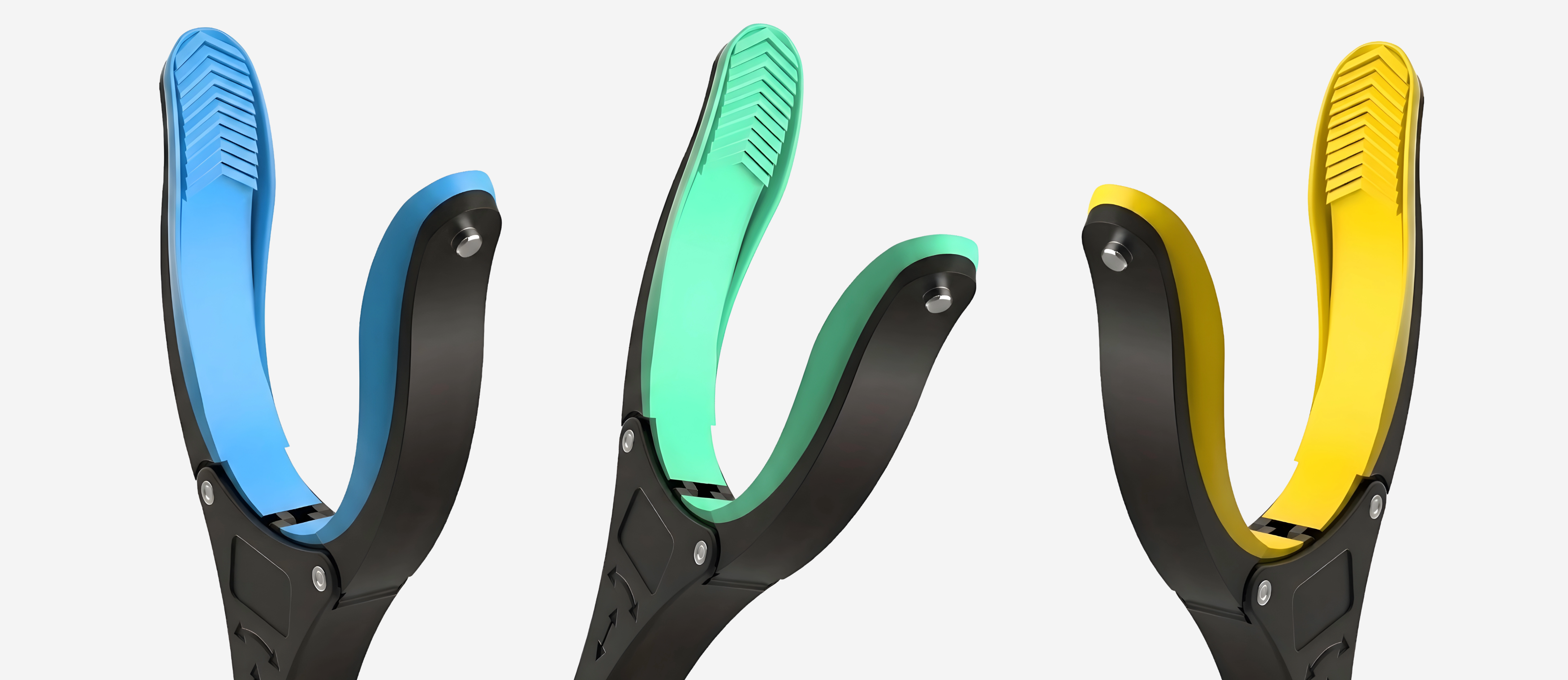
Direct answer: for bariatric surgery recovery in the first 4-8 weeks, the highest-impact adaptive tools are: the GrabbersTool Reacher Grabber (bending to floor level strains the abdominal incision — the reacher eliminates this), the Standing Assist Tool (sit-to-stand with active core restriction is more effortful — the assist tool reduces required core activation), and the Electric Jar Opener and Electric Can Opener (early post-bariatric diet involves specific liquid and soft food containers — opening these without strain is important during the fragile early eating period).
Bariatric-Specific Recovery Restrictions
Bariatric surgery restrictions in the first 4-6 weeks typically include:
- No lifting over 10-15 lbs: applies to kitchen items, grocery bags, and any household object lifting
- No straining or Valsalva: pushing or bearing down on the abdominal wall is restricted — this affects anything that requires a forceful push-up from a chair
- Core rest: abdominal muscle engagement is restricted to allow incision healing — the sit-to-stand transfer that normally involves core stabilization requires modification
- Dietary protocol: the post-bariatric diet progression (clear liquids, full liquids, soft foods, regular texture) creates specific food container opening requirements at each stage
The Pre-Existing Mobility Dimension
Many bariatric surgery patients have been managing obesity-related mobility limitations before surgery — reduced hip and lumbar flexibility (trunk adiposity limits forward reach), knee and hip joint pain (mechanical load from excess weight), and reduced cardiovascular fitness. These pre-existing limitations mean the patient arrives at recovery already requiring some adaptive tools that might otherwise be unnecessary post-surgically.
The reacher grabber is particularly relevant as a pre-existing tool for many bariatric patients: trunk adiposity that limits the ability to lean forward and reach below waist level is functionally equivalent to the bending restriction imposed post-surgically. The reacher that was useful before surgery (for reaching floor items that central obesity prevented) remains essential during the post-surgical restriction period.
Post-Surgical Kitchen Considerations
| Dietary Stage | Container Types | Opening Challenge | Adaptive Tool |
|---|---|---|---|
| Clear liquids (days 1-7) | Bottles, water containers, broth | Bottle cap opening with arm restriction | 5-in-1 Multi-Opener for bottle tops |
| Full liquids (weeks 1-3) | Protein shake containers, yogurt, soup | Pull-tab cans; jar lids on soft foods | Electric Can Opener; Electric Jar Opener |
| Soft foods (weeks 3-6) | Cottage cheese, pureed foods, soft protein | Container variety increases; more jar and can use | Same tools continue |
| Regular texture (6+ weeks) | Normal kitchen containers | Standard kitchen access | Openers remain convenient as weight loss continues |
Electric opener lid size compatibility covers standard jar and can sizes used in the post-bariatric dietary progression. Specific compatible sizes are on the product pages. View jar opener specifications | View can opener specifications
The Long-Term Tool Value: As Weight Changes
Bariatric surgery produces significant weight loss over 12-24 months, and this weight loss changes the functional capabilities of the patient over time. Tools needed for obesity-related mobility limitations (reacher for floor reach blocked by abdominal volume) may become less necessary as weight loss improves flexibility and range of motion. However, tools needed for age-related conditions that coexist with obesity (arthritis, back conditions) remain relevant regardless of weight change.
Many bariatric patients find that the tool that was essential during the obesity period transitions to the tool that is convenient post-weight-loss — the reacher used for obesity-related reach limitation becomes the reacher used for arthritic back convenience. The tool value persists even as the primary indication changes.
See also: Obesity and Mobility: Adaptive Tools for Morbid Obesity at Home and Preparing Your Home for Spine Surgery Recovery.
Browse Reacher Grabber Tools, Easy Grip Kitchen Openers, and Ergonomic Mobility.


