

There's a moment most people recognize. You drop something on the floor — your keys, a sock, a pill — and for just a second, the thought of bending down to pick it up feels like more effort than it should be.
It's not a big deal. But it happens more often than it used to.
A good grabber tool fixes this completely. One squeeze, and whatever fell on the floor is back in your hand. No bending. No stretching. No asking anyone for help.
The problem is that not all grabber tools are equal. Some are flimsy. Some are too heavy. Some have jaws that slip or a trigger that's hard to squeeze. And buying the wrong one means it ends up in a drawer within a week.
This guide will help you choose the right one — the first time.
What Is a Grabber Tool and Why Do Seniors Use Them?
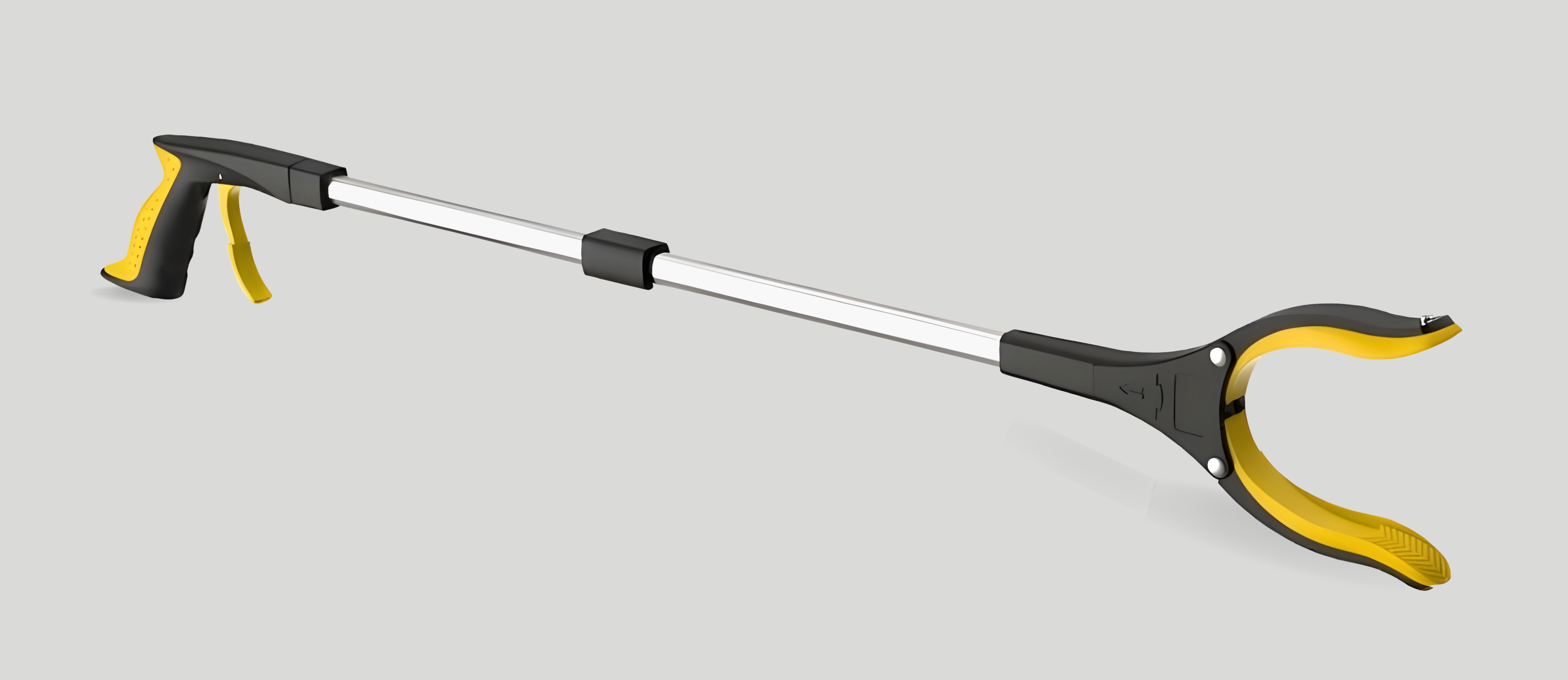
A grabber tool (also called a reacher grabber or reacher tool) is a long-handled device with a trigger at one end and a gripping claw at the other. You squeeze the trigger, the claw opens, you position it over what you want, and release — the claw grips and holds the item.
Most are between 26 and 48 inches long. That's enough to reach the floor from a standing position, grab something from a high shelf, or retrieve an item that rolled under the sofa — all without changing your posture.
Why are they popular among older adults?
As we age, a few things change that make bending and reaching harder than they used to be:
- Joint stiffness and reduced flexibility make bending forward uncomfortable or painful
- Balance changes mean bending down carries a real risk of losing stability
- Reduced grip strength makes it harder to pick up small or lightweight objects
- Recovery after surgery — especially hip or knee replacement — often means no bending for weeks or months
A grabber tool addresses all of these at once. It's not a sign of limitation — it's a practical tool, the same way reading glasses or a non-slip bath mat are practical tools.

What to Look for in a Grabber Tool for Seniors
Before we get to specific recommendations, here's what actually matters when choosing a grabber tool for an older adult.
1. Weight
This is the most overlooked factor. A grabber tool that weighs more than 8–10 oz will feel heavy after a few minutes of use — especially for anyone with reduced arm strength. Look for aluminum or lightweight alloy construction. Avoid heavy plastic builds.
2. Jaw Design
The jaw is what does the actual gripping. The best grabbers for seniors have:
- Non-slip silicone or rubber jaw pads — these grip soft items like clothing without damaging them, and hold smooth objects like bottles without slipping
- Magnetic tip — extremely useful for picking up small metal items like coins, keys, needles, or dropped medications
- Wide jaw opening — allows the tool to grip both small and large objects
3. Trigger Mechanism
A trigger that requires strong hand pressure defeats the purpose. Look for an easy-pull trigger that responds to light pressure. Some models also include a trigger lock — useful for carrying items longer distances without holding the trigger continuously.
4. Length
The right length depends on how you'll use it:
| Length | Best for |
|---|---|
| 26–32" | Indoor use, seated or standing, standard ceiling height |
| 32–36" | Most common all-purpose length — reaches floor comfortably while standing |
| 40–48" | High shelves, outdoor use, users who prefer not to lean forward at all |
Most people find 32 inches to be the ideal all-purpose indoor length.
5. Foldability and Storage
If you want to keep it in a bag, travel with it, or store it in a small space, a foldable grabber is worth considering. The best foldable models collapse to around 16–17 inches and fit in most backpacks or tote bags.
6. Rotating Head
A rotating jaw (usually 360°) lets you position the claw at the exact angle you need without twisting your wrist or changing your stance. This is particularly useful for reaching items in tight spaces — behind furniture, under beds, in narrow cabinets.
The 3 Types of Grabber Tools (and Which One Is Right for You)
Not all grabbers are the same. Understanding the three main types helps you pick the right one immediately.
Type 1 — Standard Reacher Grabber (Indoor Use)
The most common type. A fixed-length aluminum or plastic shaft with a trigger handle and gripping jaw. Lightweight, simple, and reliable for everyday indoor tasks — picking things off the floor, retrieving items from shelves, or helping with dressing.

Best for: Daily home use, recovering from surgery, anyone who drops things regularly.
Example from our range: Reacher Grabber Tool 32"
Type 2 — Foldable Reacher Grabber (Travel + Outdoor)
Same functionality as the standard grabber, but folds into multiple sections for compact storage. Typically heavier than non-folding models, but the convenience outweighs the tradeoff for most users.

Best for: Travel, outdoor use, keeping in a bag or car, users who need extra length.
Example from our range: Reacher Grabber Tool 43" — Foldable
Type 3 — Precision Litter Grabber (Outdoor + Fine Items)
Has a finer, more precise claw designed to pick up small items — coins, cigarette butts, small wrappers, garden debris. Less suited for soft items like clothing, but excellent for outdoor cleanup or picking up tiny objects from hard floors.

Best for: Garden use, outdoor cleanup, picking up very small items.
Example from our range: Precision Grabber 33"
Common Mistakes When Buying a Grabber Tool
We've seen these patterns repeatedly — here's what to avoid.
Buying the cheapest option. A $5 grabber will have a weak trigger spring, slippery jaw pads, and a plastic shaft that flexes under any weight. It will frustrate the user and end up unused. Spend a little more for a tool with a steel or aluminum core.
Getting the wrong length. Most people underestimate how long they need. If you're buying for someone who will use it primarily from a standing position, 32 inches is the minimum. Longer is generally better than shorter.
Ignoring jaw quality. Smooth plastic jaws slip constantly. Non-slip silicone or rubber jaw pads make an enormous practical difference — especially for picking up small or smooth objects.
Buying without a magnetic tip. If dropped medications are a concern, a built-in magnet is invaluable. It picks up foil blister packs, metal pill cases, and many pill bottles without needing to precisely position the jaw.
Choosing function over usability. Some grabbers have rotating wrists, telescoping handles, and multiple jaw settings. For most seniors, simple and reliable beats feature-rich and complicated every time.
Our Top Picks
Based on everyday use, jaw quality, weight, and ease of trigger operation — here are our recommendations.
Best All-Purpose: Reacher Grabber Tool 32"
The 32" is the right length for most indoor tasks. It reaches the floor comfortably from a standing position, handles items on standard shelves, and is light enough to use one-handed without fatigue.
- Weight: Lightweight aluminum core
- Jaw: Non-slip silicone pads + magnetic tip
- Trigger: Easy-pull with trigger lock
- Rotating head: 360°
- Available in: 4 colors
Who it's for: Anyone looking for a reliable everyday grabber for home use.
Shop the Reacher Grabber Tool 32" →
Best for Travel and Extra Reach: Reacher Grabber Tool 43"
Eleven inches longer than the standard model and folds into three compact sections for easy transport. Comes with a free fabric storage bag.
- Weight: Lightweight aluminum alloy
- Jaw: Non-slip silicone pads + magnetic tip
- Folds to: ~17 inches (3 sections)
- Includes: Free storage bag
Who it's for: Anyone who needs extra reach, wants to travel with their grabber, or prefers to keep one in a bag.
Shop the Reacher Grabber Tool 43" →
Best for Outdoor Use: Precision Grabber 33"
The fine-tip claw closes tightly enough to pick up a coin from the pavement. Aluminum frame, folds in half, and handles outdoor cleanup with ease.
- Weight: Lightweight aluminum
- Jaw: Fine-tip precision claw
- Folds to: ~17 inches
- Best use: Garden, outdoor surfaces, small item retrieval
Who it's for: Gardeners, outdoor cleanup, picking up very small items.
Shop the Precision Grabber 33" →
How to Use a Grabber Tool Correctly
Many people use grabbers for the first time and find them awkward — usually because of a few small technique issues.
Hold it like a pen, not a hammer. A relaxed, light grip lets you feel the trigger more precisely and reduces hand fatigue.
Approach from above. Position the open jaw directly above the object before squeezing. Trying to scoop from the side rarely works well.
Use the magnetic tip for small items. For anything metal and small — coins, keys, dropped pills — just hover the tip nearby. The magnet does the work.
Don't rush. The most common frustration with grabbers is trying to move too fast. A slow, deliberate approach will pick up the item on the first try almost every time.
Lock the trigger for carrying. If your grabber has a trigger lock, use it when carrying an item more than a step or two. Holding the trigger continuously is tiring and risks dropping the item.
Frequently Asked Questions
Can a grabber tool pick up liquids or fragile items?
Not reliably. Grabbers are designed for solid objects. A full glass of water or an open container is not safe to move with a grabber tool — the jaw pressure can tip, crush, or drop fragile items.
Are grabber tools safe after hip replacement surgery?
Yes — grabbers are one of the most commonly recommended tools for post-hip-replacement recovery, specifically because they eliminate the need to bend past 90 degrees. Always follow your surgeon's specific instructions.
How do I clean a grabber tool?
Wipe the jaw pads with a damp cloth as needed. The aluminum shaft can be wiped down with a slightly damp cloth. Do not submerge in water, particularly if the handle has any electronic components.
How long do grabber tools last?
A good quality grabber with an aluminum core should last several years with regular use. The most common wear point is the trigger spring — if the jaw stops returning to the open position reliably, that's usually the sign it needs replacing.
Can grabber tools be used by people with arthritis?
Yes — in fact, an easy-pull trigger is specifically beneficial for people with reduced grip strength from arthritis. Look for models with a large, ergonomic trigger handle that requires minimal force to operate.
Summary — Which Grabber Tool Should You Choose?
| Need | Best choice |
|---|---|
| Everyday indoor use | Reacher Grabber Tool 32" |
| Extra reach or travel | Reacher Grabber Tool 43" Foldable |
| Outdoor / small items | Precision Grabber 33" |
| Gift for parent or family member | Reacher Grabber Tool 32" + Reacher Grabber Tool 43" bundle |
Final Thought
The best grabber tool is the one that gets used — every day, without a second thought. That means it has to be light enough to pick up easily, reliable enough to work on the first try, and comfortable enough that it doesn't feel like effort to use it.
All three of our grabbers meet that standard. The only question is which length and style fits your life best.
Browse the full Reach & Grab collection →
Published by Grabber Tool — specialists in grabbing, reaching, and grip tools for independent living. Visit us at grabberstool.com


