

Hemodialysis patients spend approximately 12 hours per week connected to a dialysis machine -- and the hours immediately following dialysis sessions are characterized by profound fatigue, hypotension risk, and cognitive fog that make any physically demanding task dangerous. The post-dialysis period is when adaptive tools provide the most immediate value: when a patient returns home from a three-hour hemodialysis session, the ability to prepare food and complete basic household tasks without physical exertion is the difference between managing independently and requiring caregiver assistance. GrabbersTool addresses the post-dialysis adaptive environment.
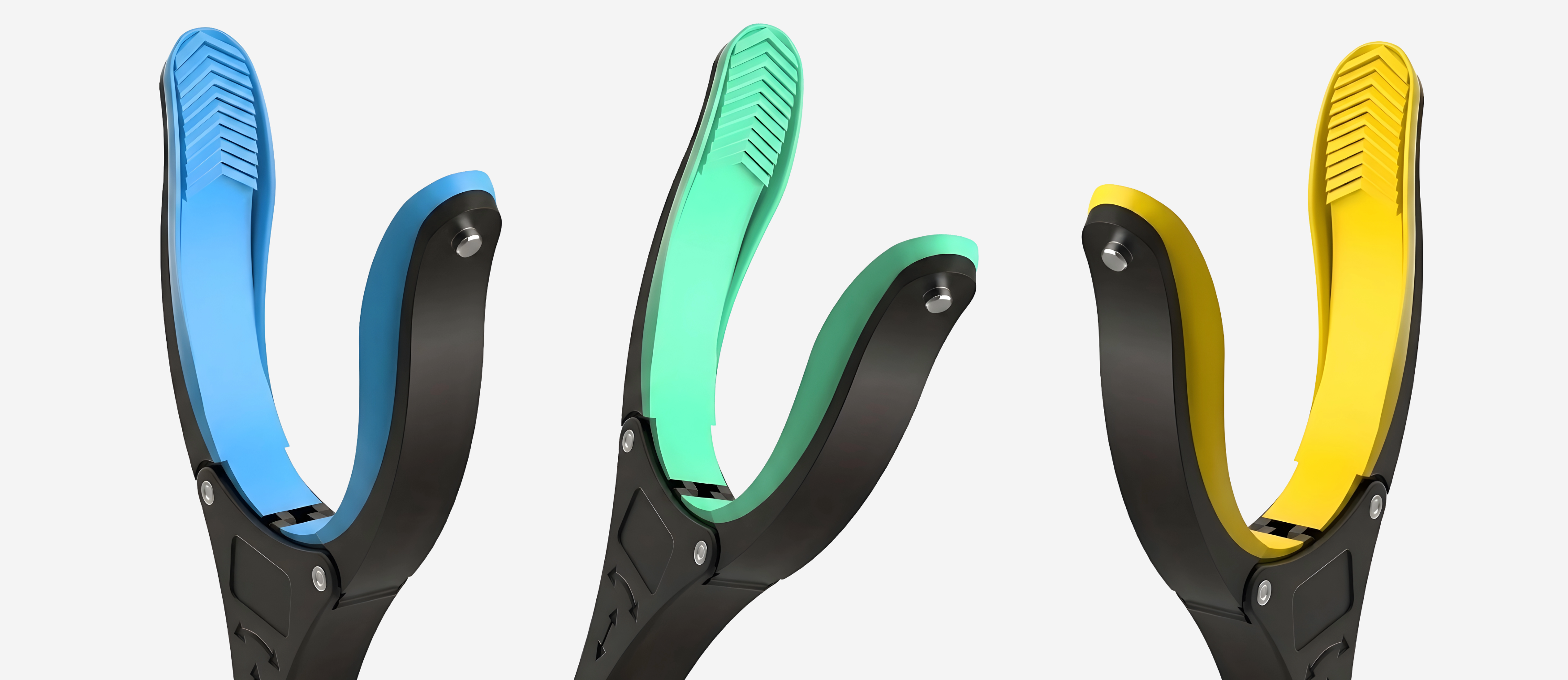
Direct answer: for chronic kidney disease and dialysis patients, adaptive tools are most critical in the 4-8 hours following dialysis sessions when fatigue and hypotension risk are highest. The GrabbersTool Electric Jar Opener and Electric Can Opener provide kitchen access with minimal exertion. The Standing Assist Tool supports the chair-to-stand transfer that post-dialysis hypotension makes hazardous. The Reacher Grabber eliminates bending during the highest hypotension-risk period.
Post-Dialysis Fatigue Profile
Dialysis-related fatigue is distinct from other fatigue conditions in its timing and pattern:
- Timing: peaks in the hours immediately following the session, then gradually improves until the next session
- Hypotension risk: fluid removal during dialysis can cause postural hypotension (dizziness and lightheadedness on standing) -- highest risk in the first hours post-dialysis
- Cognitive component: post-dialysis cognitive fog (dialysis disequilibrium) affects safety judgment and task planning capacity
- Pre-dialysis accumulation: the day before dialysis (when toxins and fluid have accumulated) also produces significant fatigue
Adaptive Tool Priorities by CKD Stage
| CKD/Dialysis Status | Primary Functional Challenge | Priority Tools |
|---|---|---|
| CKD Stage 3-4 (pre-dialysis) | Fatigue, anemia-related weakness, possible peripheral neuropathy | Electric Jar Opener, Reacher Grabber |
| Hemodialysis (3x weekly) | Post-session fatigue, hypotension risk, dialysis days vs non-dialysis days | Standing Assist Tool (hypotension safety); electric openers for post-session kitchen access |
| Peritoneal dialysis (home-based) | Abdominal catheter restrictions, lifting limits, fatigue | 43 inch Reacher (no bending with peritoneal catheter); Electric Jar Opener |
| Post-transplant | Immunosuppression-related fatigue, lifting restrictions post-surgery | Reachers for first weeks post-surgery; gradual return to full function |
Full product specifications are on the product pages. View Standing Assist Tool specifications
Peritoneal Dialysis and Abdominal Catheter Restrictions
Peritoneal dialysis uses a catheter in the abdominal wall for dialysis fluid exchange. The abdominal catheter creates lifting restrictions -- bending forward under load applies pressure to the catheter exit site. The 43 inch reacher address this directly by eliminating trunk flexion for floor-level retrieval. GrabbersTool customers on peritoneal dialysis consistently identify the reacher as the most important adaptive tool specifically because of the catheter bending restriction, which is an absolute contraindication rather than a comfort consideration.
Dietary Restrictions and Kitchen Independence
CKD and dialysis patients typically follow highly specific dietary restrictions: low potassium, low phosphorus, controlled sodium, fluid restriction. Managing a complex therapeutic diet in a state of post-dialysis fatigue creates a significant kitchen independence challenge. Electric kitchen openers that minimize the exertion of food preparation -- allowing the patient to prepare compliant meals during the post-dialysis period when fatigue is high -- directly support diet compliance. A patient who cannot manage kitchen tasks post-dialysis may default to non-compliant convenience foods rather than prepare a compliant meal.
The Non-Dialysis Day vs Dialysis Day Distinction
Hemodialysis patients typically have three dialysis days per week and four non-dialysis days. Adaptive tool need differs significantly between these days: on non-dialysis days, functional capacity may be adequate for most tasks without adaptive support. On dialysis days and the following morning, adaptive tools are essential. The tool setup must accommodate the dialysis-day profile even if it seems excessive on non-dialysis days.
See also: Congestive Heart Failure and Daily Living: Adaptive Tools for Fatigue and Breathlessness and Cancer Treatment Fatigue and Adaptive Tools.
Browse Easy Grip Kitchen Openers, Ergonomic Mobility, and Reacher Grabber Tools.


