

Most adaptive tool guides focus on condition or product category. A more clinically useful framework -- the one occupational therapists use in home safety evaluations -- focuses on location. The kitchen has different hazard profiles than the bathroom, which differs from the bedroom and the living room. A systematic room-by-room assessment identifies the specific safety gaps in a specific home for a specific person, which is far more accurate than a generic adaptive tool checklist. GrabbersTool works with home health OTs who conduct these assessments and has incorporated their framework into this guide for patients and family members conducting informal self-assessments.
Direct answer: a home safety assessment for adaptive tools asks three questions in each room: (1) what surfaces could cause a fall (floor transitions, loose rugs, inadequate lighting)? (2) what tasks require bending, reaching, or sustained grip that current physical function cannot safely support? (3) what items are positioned at unsafe heights? The adaptive tools -- reacher, cane, standing assist, electric openers -- address question 2 directly.
Room-by-Room Safety and Adaptive Tool Assessment
Kitchen (Highest ADL Risk)
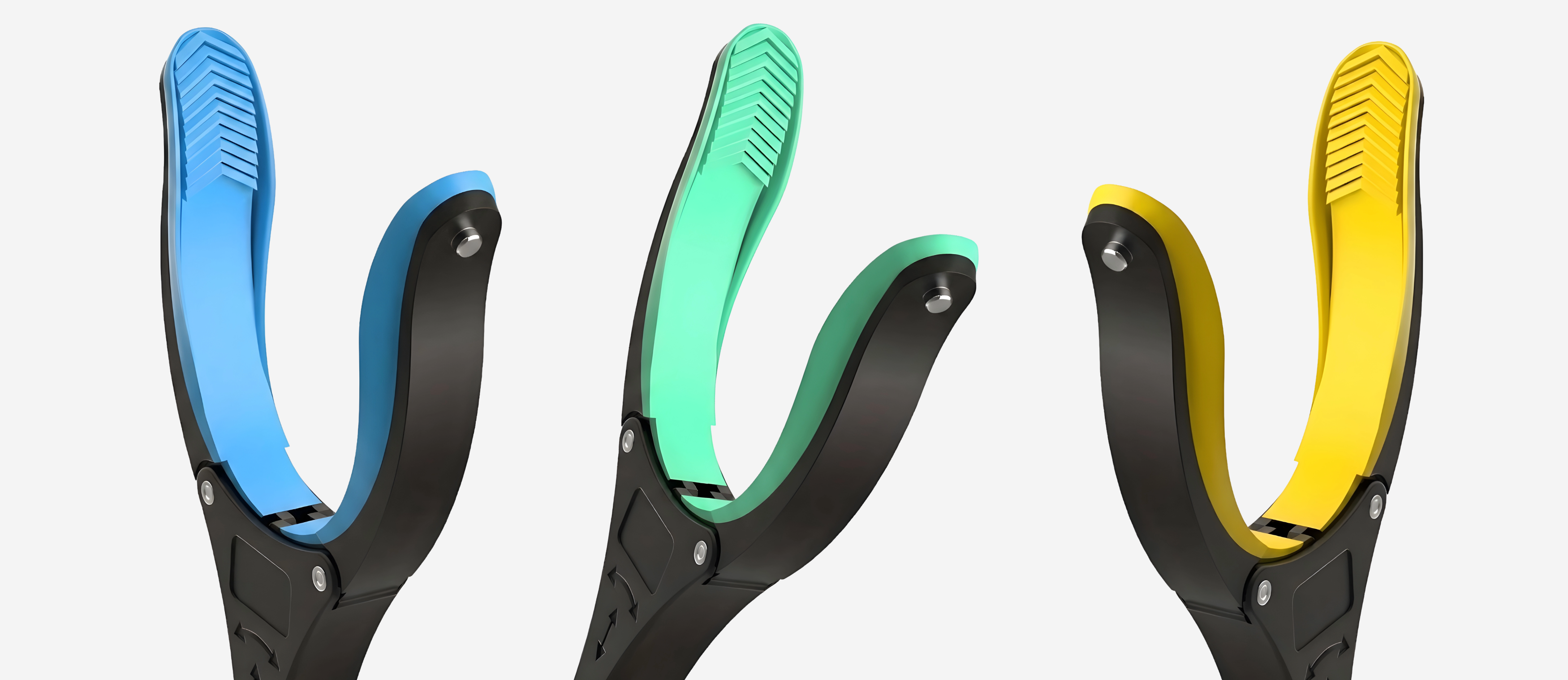
The kitchen is the highest-priority room because it involves the most physically demanding ADL tasks: sustained standing, lifting, bending, grip, and heat management. GrabbersTool products address the grip and bending components. Key kitchen assessment questions: Can you open all food packaging in your regular diet without pain or risk? Can you retrieve items from floor level without bending? Can items above shoulder height be reached without losing balance? The Electric Jar Opener, Electric Can Opener, 5-in-1 Multi-Opener, and Reacher Grabber address the opening and reaching gaps directly.
Living Room and Seating Areas
The primary risk in living areas is seating: low sofas and recliners that require significant hip flexion to exit, and chairs without armrests that cannot assist in standing. The Standing Assist Tool addresses chair-to-stand difficulty at any seating position. The reacher is relevant for floor items in large rooms where walking to retrieve them is a balance risk. Key assessment question: Can you stand from your lowest chair without grasping furniture?
Bedroom
Bedroom risks include: bed height (too low requires deep hip flexion to exit), nighttime navigation with reduced alertness, and floor items beside the bed that create fall risk if retrieved without full wakefulness. The reacher at the bedside -- used by most post-surgical recovery patients -- is equally important for elderly adults who wake at night and cannot safely bend in a groggy state.
Adaptive Tool Priority Matrix by Room
| Room | Primary Risk | Primary Adaptive Tool |
|---|---|---|
| Kitchen | Grip tasks, bending for floor items, overhead reaching | Electric openers; Reacher Grabber; cane for balance during standing tasks |
| Living room | Low seating; floor item retrieval; long walks across room | Standing Assist Tool; Reacher Grabber; Walking Cane for gait stability |
| Bedroom | Low bed; floor items; nighttime navigation; dressing tasks | Reacher for floor items and dressing aids; bed rail for repositioning |
| Bathroom | Wet surfaces; tub transfer; toilet height; shower standing | Grab bars (permanent fixture); shower chair; non-slip mat; reacher for floor items |
| Outdoor/entrance | Steps; uneven surfaces; weather; carrying items through door | Walking Cane for outdoor stability; cane strap for hands-free door management |
Full specifications for all GrabbersTool products are on the product pages. View Standing Assist Tool specifications.
Professional vs. Self-Assessment
This self-assessment framework identifies obvious gaps but has limitations: patients and family members cannot assess what they cannot see, and may not recognize risks that an OT would identify immediately. A home safety evaluation by a licensed occupational therapist -- available through home health agencies, outpatient OT programs, and some insurance-covered benefits -- provides a systematic professional assessment with recommendations specific to the individual home layout and functional status. GrabbersTool consistently recommends professional OT evaluation for patients with multiple conditions, recent falls, progressive disease, or significant functional change. The self-assessment is a starting point, not a substitute. See also: How Occupational Therapists Select Adaptive Tools.
Browse Reacher Grabber Tools, Ergonomic Mobility Solutions, and Easy Grip Kitchen Openers.


