

Caregiver burden is the cumulative physical, emotional, and practical strain experienced by family caregivers providing ongoing care to a person with disability or illness. Research on caregiver burden consistently finds that it is associated with caregiver health deterioration, depression, and -- in the most severe cases -- care recipient institutionalization because the caregiver can no longer sustain the care role. Reducing caregiver burden is therefore a health outcome for two people: the caregiver and the care recipient. Adaptive tools that restore even partial independence in the care recipient reduce the number of tasks requiring caregiver assistance, producing what can be called the independence-cascade effect: one tool that lets the person open their own jars eliminates dozens of caregiver interruptions per month, plus the dependence relationship that those interruptions reinforce.
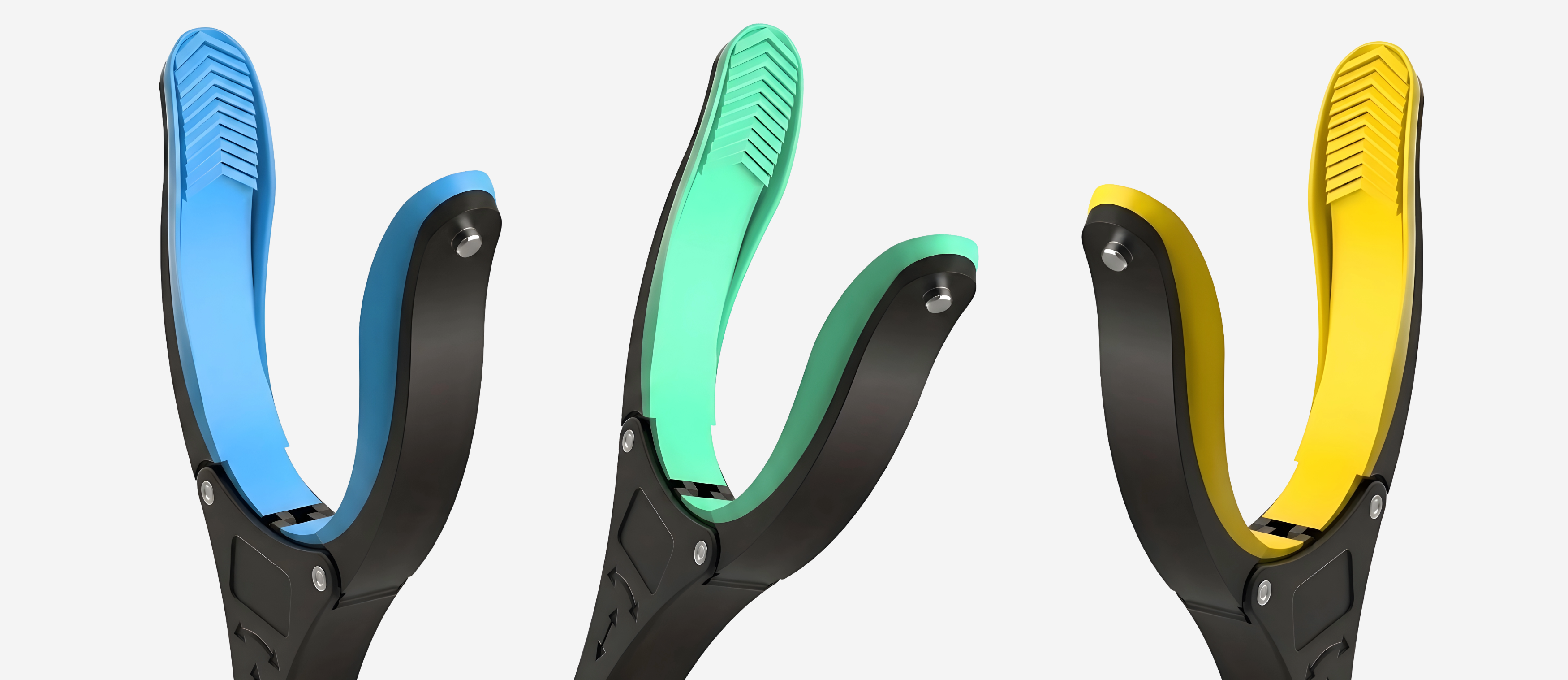
Direct answer: The adaptive tools with the highest caregiver burden reduction are those that address the most frequent minor assistance tasks: dropped item retrieval (reacher grabber -- the most common assistance request in home care settings), jar and bottle opening (electric jar opener), and dressing assistance (long-handled dressing aids). When the care recipient can handle these tasks independently, the caregiver is freed for higher-level assistance and the care relationship quality improves. The GrabbersTool Reacher is the highest-impact single tool for reducing the most common minor caregiver assistance task.
The Independence-Cascade: How One Tool Changes the Day
Consider what happens in a home care situation when the care recipient does not have a reacher. They drop something. They call the caregiver. The caregiver stops what they are doing (potentially repeatedly throughout the day), retrieves the item, and returns to their task. Over a month, this might happen 50-100 times. The caregiver resents the interruption; the care recipient feels dependent and guilty.
With a reacher, the care recipient retrieves the item independently. The caregiver is not interrupted. The care recipient maintains autonomy. A single adaptive tool changes the dynamic of dozens of interactions per month.
Research on Adaptive Equipment and Caregiver Outcomes
Studies examining caregiver burden and assistive technology find that: caregivers report less subjective burden when care recipients use assistive technology; caregiver time spent on ADL assistance is reduced when care recipients have appropriate adaptive equipment; and caregiver satisfaction is higher in households where the care recipient maintains independence in minor tasks.
The GrabbersTool 32-inch Reacher addresses the most common minor caregiver assistance task. The Electric Jar Opener addresses another frequent independence deficit. Browse the full reacher collection and kitchen adaptive tools.


