

Alzheimer disease (AD), the most common cause of dementia (60-80% of dementia cases), is a progressive neurodegenerative disease characterized by amyloid plaques and tau neurofibrillary tangles causing neuronal loss, primarily in the hippocampus and association cortices. AD stages: mild cognitive impairment (MCI) due to AD; mild AD dementia (memory loss, some ADL impairment); moderate AD (significant ADL dependence including kitchen); severe AD (complete ADL dependence). Kitchen function in AD follows the disease stage: (1) Mild AD: mild memory lapses that create specific kitchen safety risks (forgetting the stove is on, forgetting ingredients in a recipe, leaving the refrigerator open); judgment is largely intact; (2) Moderate AD: significant kitchen safety risks from impaired judgment, executive function loss, and behavioral symptoms (wandering into the kitchen at night); caregiver supervision of kitchen use required; (3) Severe AD: complete caregiver management of kitchen and feeding. The primary kitchen safety risk in AD is unattended stovetop or oven use during a period of confusion or forgetting -- a major cause of residential fires and burns in older adults with dementia. Kitchen adaptive tools for AD are primarily safety modifications (stove shut-off) and caregiver tools rather than patient tools.
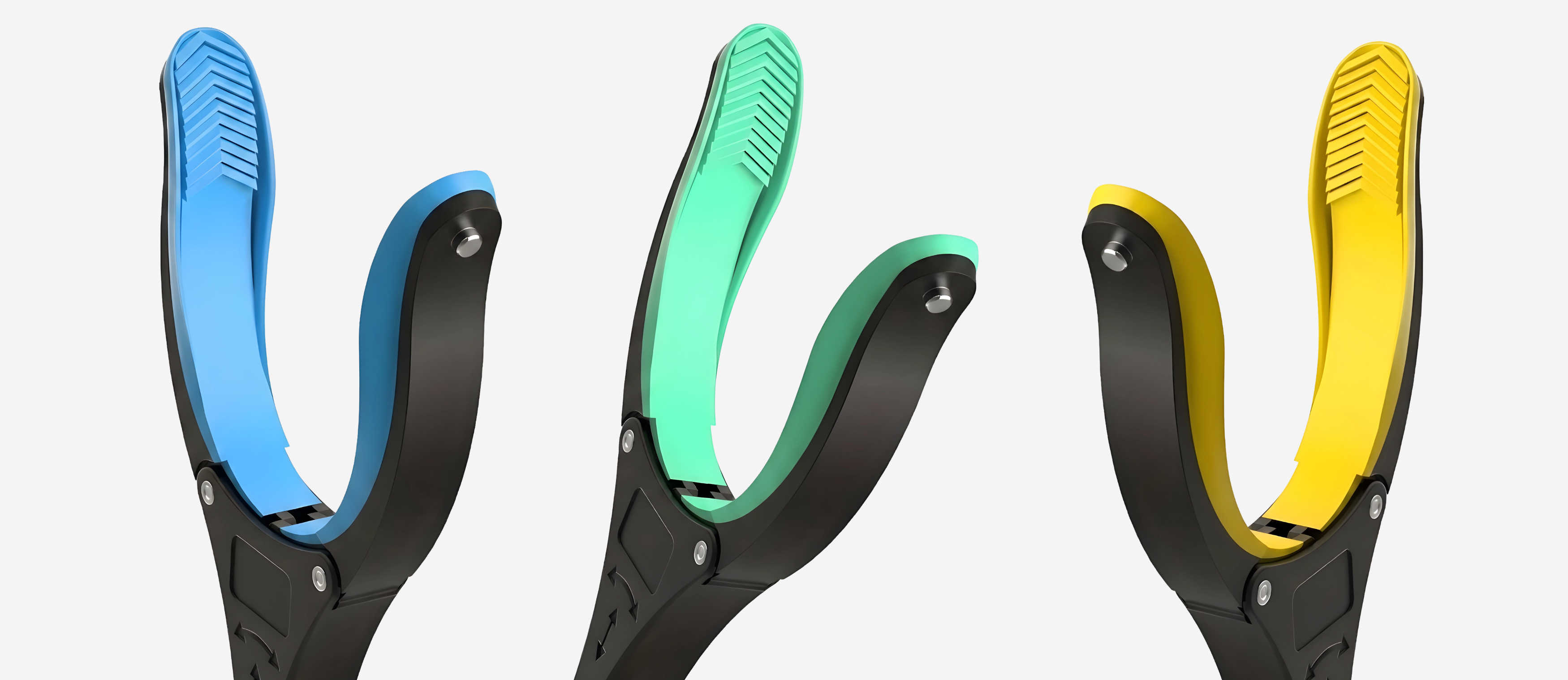
Direct answer: Alzheimer kitchen safety strategies evolve with disease stage. In mild AD: simple reminders, stove safety devices. In moderate AD: supervised kitchen use, remove sharp and hot hazards when unsupervised, stove locks. The GrabbersTool 32-inch Reacher is a caregiver tool -- caregivers use it to retrieve low-level items for the AD patient, reducing the caregiver physical demand and preventing the AD patient from bending and falling.
Alzheimer Disease Kitchen Safety by Disease Stage
| AD Stage | Kitchen Safety Risk | Safety Strategy |
|---|---|---|
| Mild AD (early stage: mild memory and executive impairment) | Forgetting that food is cooking on the stove (the leading AD kitchen safety risk -- a leading cause of kitchen fires); leaving the refrigerator door open and food to spoil; forgetting whether food in the refrigerator has expired; sequence errors in recipe following; forgetting where kitchen items are stored; these are cognitive-safety risks, not physical kitchen limitations | Automatic stove shut-off device (most critical mild AD kitchen safety intervention); refrigerator alarm that sounds if left open too long; simple recipe cards for familiar recipes (reduces sequence error risk); label kitchen storage areas (post it notes or picture labels on cabinet fronts); avoid new or complex recipes; meal preparation assistance from family for complex recipes; occupational therapist AD kitchen safety assessment |
| Moderate AD (significant ADL impairment, judgment loss) | Dangerous kitchen decisions without recognizing the risk: touching hot burners, eating expired or unsafe food without recognizing the danger, using hazardous items without understanding the danger (caustic cleaning agents stored in the kitchen); wandering to the kitchen at night and attempting to cook while confused and unattended; significant fire, burn, and poisoning risk in moderate AD without supervision | Stove lock (physical lock that requires knowledge or code to unlock -- the AD patient cannot operate the stove unsupervised); knife storage in locked drawer; cleaning product storage separate from food; door alarm for nighttime kitchen wandering; caregiver supervision for all kitchen use in moderate AD; reacher (caregiver uses it to retrieve items for the AD patient); meal delivery for periods when caregiver cannot supervise kitchen use |
| Severe AD (complete caregiver dependence) | The AD patient no longer attempts independent kitchen use; dysphagia risk from advanced dementia; complete caregiver management of feeding; kitchen safety risk is the caregiver burden of meal preparation for a completely dependent patient | Caregiver self-care and assistance resources; meal delivery services to reduce caregiver kitchen burden; electric jar opener and reacher for caregiver use to reduce the physical demands of meal preparation for the severe AD patient; speech-language pathologist for dysphagia-safe texture modification in severe AD |
See the 32-inch Reacher for Alzheimer disease caregiver kitchen support.


