

Total knee replacement (TKR) and total hip replacement (THR) are the two most common major orthopedic surgeries in the United States. Both result in significant post-operative functional limitations requiring adaptive equipment, but the nature of the restrictions differs substantially between the two procedures. Conflating the two leads patients to purchase equipment appropriate for one surgery but not the other. Understanding the difference in precautions determines which specific adaptive tools are medically necessary versus which are the same for both conditions.
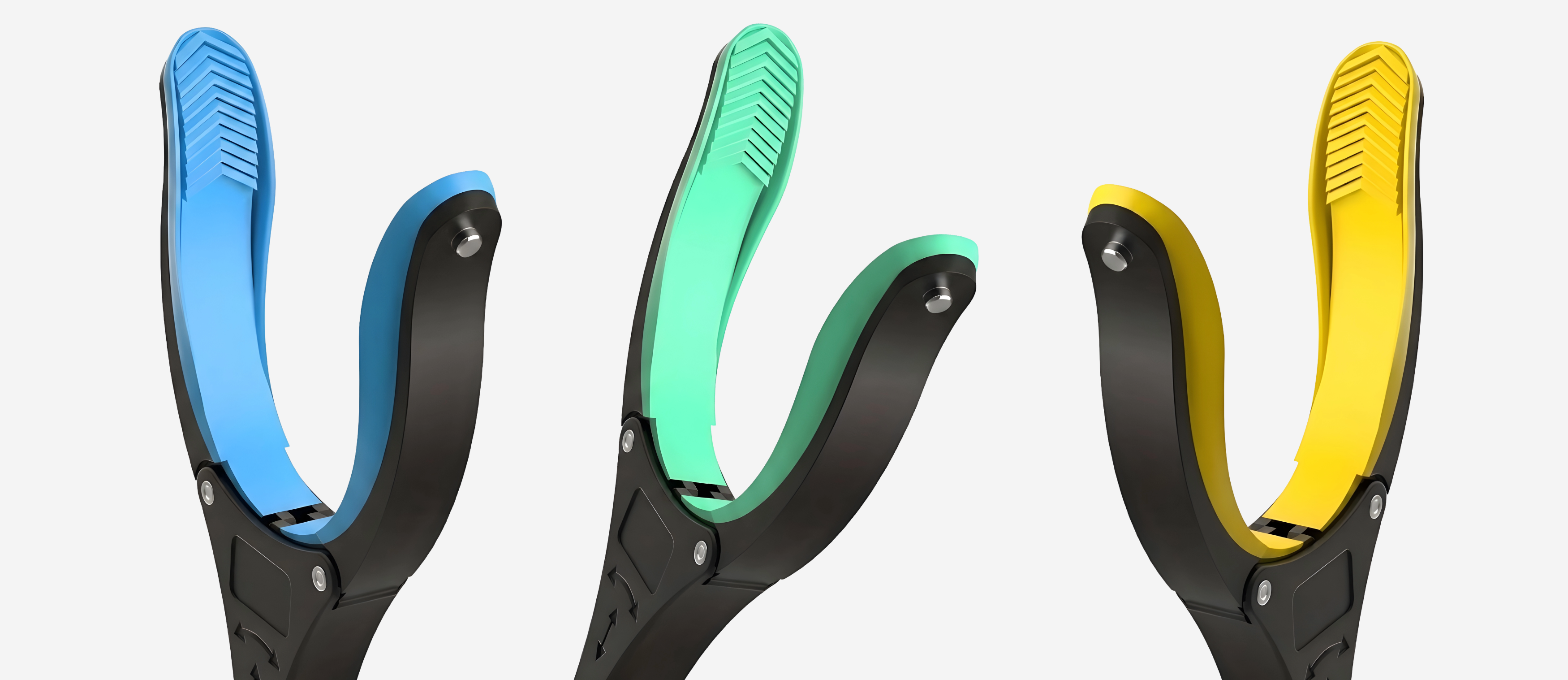
Direct answer: Hip replacement has the more restrictive positional precautions -- the 90-degree hip flexion rule, the no-crossing-legs rule, and bending restrictions create a need for the reacher that knee replacement does not require to the same degree. Knee replacement restricts weight-bearing and produces pain with bending, but does not have the positional dislocation risk that makes bending dangerous in hip replacement. Both benefit from the electric jar opener during the period when standing for long kitchen tasks is painful. The GrabbersTool Reacher is the most critical tool specifically for hip replacement; the Electric Jar Opener is equally valuable for both.
THR vs TKR Adaptive Tool Comparison
| Adaptive Tool | Total Hip Replacement Need | Total Knee Replacement Need |
|---|---|---|
| Reacher grabber | Essential -- no bending past 90 degrees; no reaching to floor; cannot safely retrieve dropped items without it | Helpful but not precaution-driven; knee pain makes bending uncomfortable; no dislocation risk from bending |
| Electric jar opener | Valuable -- standing kitchen tasks limited by hip precautions; one-handed period if reaching is restricted | Equally valuable -- standing for prolonged kitchen tasks is painful in early TKR recovery |
| Raised toilet seat | Essential -- hip flexion past 90 degrees during deep toilet sit risks dislocation | Helpful but not precaution-driven -- deep knee flexion is painful, not dangerous in same way |
| Long-handled shoehorn | Essential -- cannot bend to put on shoes under hip precautions | Helpful -- bending to foot level is painful but not precaution-driven |
| Sock aid | Essential -- cannot reach foot under hip precautions | Helpful -- foot reach is limited by knee flexion and pain |
The Key Distinction: Dislocation Risk vs Pain
Hip replacement precautions exist to prevent prosthetic hip dislocation -- the ball component can pop out of the socket if the hip is moved into certain position combinations. These precautions are absolute during the healing period and some apply permanently. Knee replacement does not have equivalent dislocation precautions; the restrictions in TKR are driven by pain, swelling, and healing rather than mechanical dislocation risk.
See our detailed guides: reacher collection and adaptive kitchen tools.


