

Chronic liver disease and cirrhosis are rarely discussed in the adaptive tool literature -- the focus tends to be on cardiac and pulmonary conditions for fatigue-driven adaptive needs, and on musculoskeletal conditions for grip and mobility needs. But cirrhosis creates a functional profile that is as challenging as many better-recognized conditions: sarcopenia (progressive muscle wasting from hepatic dysfunction), severe fatigue driven by altered nitrogen metabolism and chronic inflammation, ascites (fluid accumulation in the abdomen) that limits trunk movement and increases metabolic burden, and in advanced disease, hepatic encephalopathy that affects cognition. GrabbersTool hears from cirrhosis patients and their family caregivers who are managing significant functional limitation without a diagnostic category that triggers adaptive tool recommendations.
Direct answer: for chronic liver disease and cirrhosis, the primary adaptive kitchen tools address the fatigue and sarcopenia components: the GrabbersTool Electric Jar Opener and Electric Can Opener reduce kitchen task effort for patients whose muscle wasting has reduced grip strength and whose fatigue makes multi-attempt manual tasks exhausting. The Standing Assist Tool addresses the chair-to-stand difficulty that sarcopenia and ascites create.
Cirrhosis Functional Profile and Adaptive Tool Needs
| Cirrhosis Manifestation | Kitchen Task Impact | Adaptive Tool |
|---|---|---|
| Sarcopenia (muscle wasting) | Grip strength reduced; sustained effort tasks (manual jar opening) quickly exhausted | Electric Jar Opener -- no grip force required |
| Severe fatigue (hepatic fatigue) | Any physical exertion costly; limited daily energy budget for all tasks | All electric openers -- minimal energy demand per task |
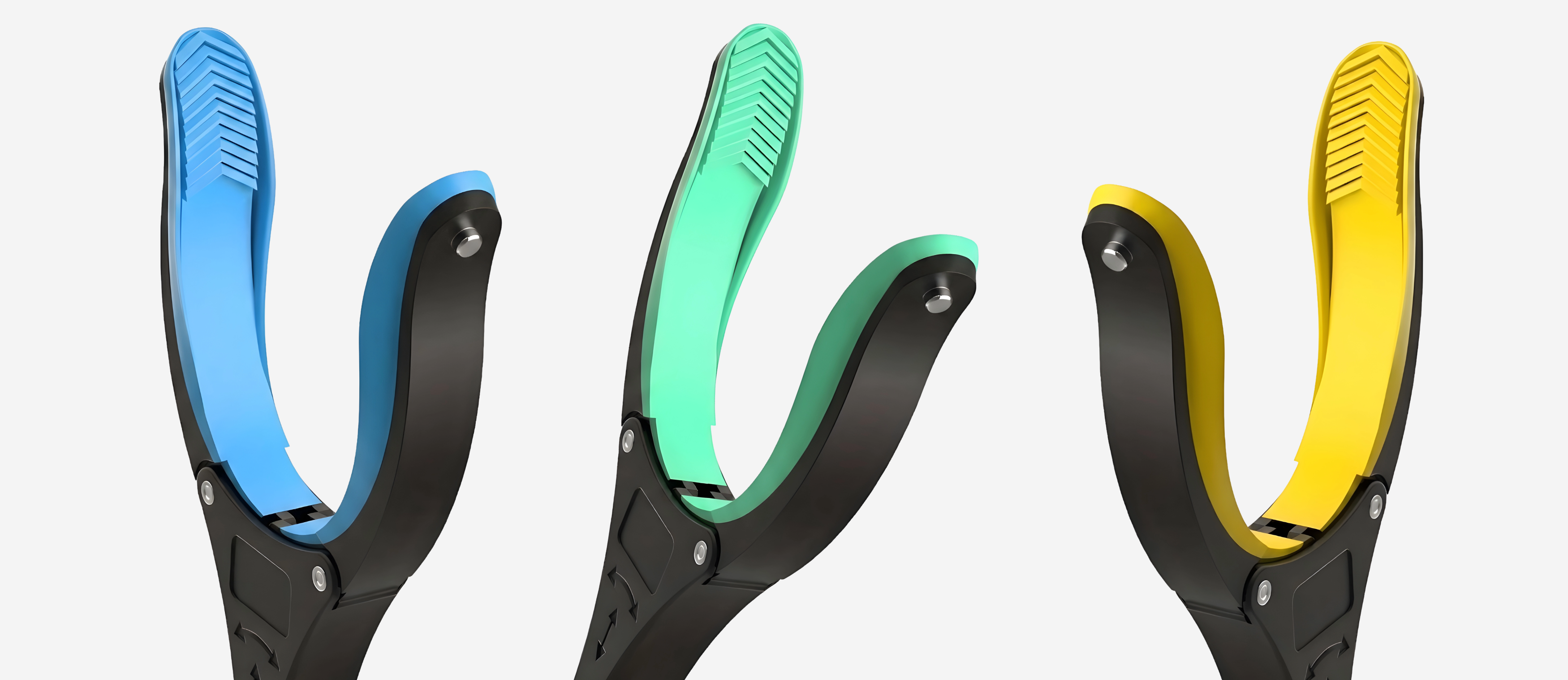
| Ascites (abdominal fluid accumulation) | Trunk circumference increased; bending restricted; trunk flexion for floor retrieval limited | Reacher Grabber -- standing floor retrieval without trunk flexion |
| Hepatic encephalopathy (mild/moderate) | Cognitive slowing; multi-step tasks difficult; safety awareness reduced | Simple-activation electric tools; fewer steps per task |
| Chair-to-stand difficulty (sarcopenia + ascites) | Rising from seated position difficult without upper limb support | Standing Assist Tool for controlled rise |
Product specifications and operation requirements are on each product page. View Electric Jar Opener.
Low-Sodium Diet and Container Opening Frequency
Cirrhosis with ascites is typically managed with a low-sodium diet (often 1500-2000 mg per day) to reduce fluid retention. Low-sodium cooking significantly increases the complexity of meal preparation: prepared and processed foods that are salt-restricted are less available than standard-sodium options, requiring more cooking from scratch with fresh or low-sodium canned ingredients. This dietary requirement increases the frequency of container-opening tasks at the same time that sarcopenia and fatigue reduce the ability to manage manual opening. The electric kitchen openers address this intersection: the cirrhosis patient who must cook low-sodium meals from canned low-sodium vegetables and beans opens more cans per meal, with less grip capability to do so.
Liver Transplant and Cirrhosis Adaptive Tool Transition
Liver transplant restores hepatic function and eliminates the underlying cause of sarcopenia, fatigue, and ascites -- but the recovery from liver transplant surgery is itself a major functional limitation (abdominal surgery, immunosuppression, prolonged hospitalization). Post-transplant patients transition from cirrhosis adaptive needs (fatigue, sarcopenia, ascites-related bending restriction) to transplant recovery adaptive needs (abdominal incision, lifting restrictions, immunosuppression-related fatigue). The adaptive tool set serves both phases -- and for patients who were already using adaptive tools for cirrhosis, the tools are already in place for the transplant recovery period. See also: Kidney Transplant Adaptive Tools: Post-Surgical Recovery and Long-Term Care.
Browse Easy Grip Kitchen Openers, Reacher Grabber Tools, and Ergonomic Mobility Solutions.


