

The living room is the room where most adults with mobility limitations spend the majority of their time — and it is frequently the last room to receive an adaptive equipment assessment. Healthcare providers focus on high-risk rooms: bathroom falls, kitchen independence. The living room is considered low-risk because the person is mostly sitting. But sitting is exactly where most daily mobility transitions occur: sitting to standing, reaching for objects while seated, managing items on floor level when seated in a low chair. The living room setup determines how much assistance is needed for the majority of waking hours.
Direct answer: the highest-impact adaptive tools for living room independence are: the GrabbersTool Standing Assist Tool (for the repeated sit-to-stand transfers at the primary chair), the Reacher Grabber positioned beside the chair (for remote controls, books, dropped items, and items on tables just out of reach), and the Cane Strap (for keeping a walking cane accessible at the chair without creating a floor hazard). These three tools address the most frequent living room independence barriers.
The Primary Chair: The Most Important Piece of Furniture
In most households with a mobility-limited resident, there is a primary chair — the chair used for most of the day for watching television, reading, and resting. This chair receives more sit-to-stand transfers per day than any other piece of furniture. The accessibility setup of this chair determines daily functional independence more than any other single factor in the living room.
Adaptive setup for the primary chair includes:
- Chair height: chairs that are too low require more knee and hip effort to rise from. The ideal seat height allows the feet to be flat on the floor with the knees at approximately 90 degrees when seated — this position optimizes the sit-to-stand mechanics. Chair risers raise seat height for chairs that are too low.
- Standing Assist Tool: the GrabbersTool Standing Assist Tool attached to the primary chair provides the rail grip for assisted standing. Fitting to the specific chair dimensions is described on the product page.
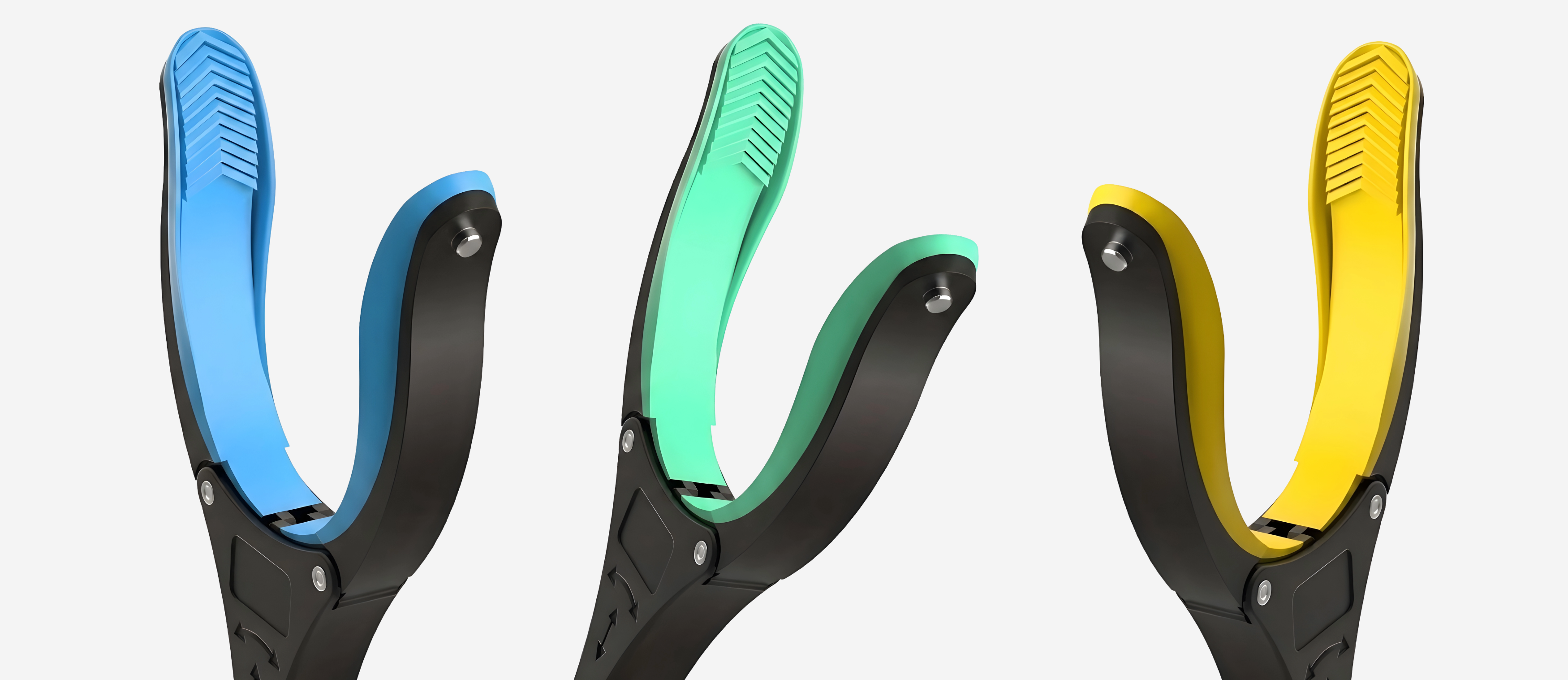
- Reacher Grabber at the chair arm: positioning the reacher within arm reach from the seated position eliminates the need to stand for common retrieval tasks — remote control, reading glasses, dropped items.
- Cane management: the Cane Strap suspends the cane from the chair arm when seated, ensuring it is at hand when standing without taking floor space or creating a trip hazard.
| Common Living Room Task | Challenge | Adaptive Solution |
|---|---|---|
| Rising from the chair | Knee, hip, and core effort; many transfers per day | Standing Assist Tool |
| Retrieving remote control from floor | Bending from seated or standing is a fall risk | Reacher Grabber from chair position |
| Reaching items on far end of coffee table | Leaning forward from seated position is unstable | Reacher Grabber |
| Managing the walking cane while seated | Leaned cane falls; picking up fallen cane is a fall risk | Cane Strap from chair arm |
| Getting items from high shelves or cabinets | Reaching overhead with mobility limitation | 43" Reacher Grabber |
Standing assist tool compatibility with specific chair designs — recliner chairs, sofas, standard chairs — and the weight rating specifications are on the product page. These are the specifications to check before purchasing for any non-standard chair type. View standing assist tool specifications
Floor Hazard Reduction
The living room floor between the primary chair and frequently-used destinations (bathroom door, kitchen entry, front door) is the most-traveled path in the home. Floor hazards on this path — area rugs, cords, furniture corners, pet items — are fall risks that occur multiple times daily. The reacher grabber also serves as a retrieval tool for items that fall onto this path during transit: a dropped phone picked up from standing is safer than bending mid-path.
Telephone and Remote Control Reach
Phone and remote control access is a lower-urgency task for most of the day but becomes urgent in an emergency — the person needs to call for help and cannot reach the phone. Positioning the phone within seated reach from the primary chair, or using the reacher grabber as the retrieval tool, ensures phone access does not require standing at the moment it is most critical.
GrabbersTool customers report this as one of the primary reasons for purchasing a reacher grabber — not for general use but specifically to ensure the phone is always accessible without requiring a stand. At 32 inches, the standard reacher covers the reach from a typical chair seat to a coffee table or side table without standing.
See also: Sit-to-Stand Independence: The Daily Transfer That Determines Mobility and Bedroom Accessibility: Setting Up a Bedroom for Mobility Independence.
Browse Ergonomic Mobility and Reacher Grabber Tools for the full living room adaptive range.


