

Peripheral neuropathy — damage to the peripheral nerves causing numbness, tingling, and reduced sensation in the hands and feet — is commonly associated with diabetes but occurs in many other conditions including chemotherapy toxicity, B12 deficiency, autoimmune disease, and alcoholic neuropathy. In the hands, the functional consequences are specific and serious: the person cannot reliably feel whether they are gripping an object securely, whether a surface is hot, or whether a tool is slipping from their grip. Grip without feedback is grip without safety — the jar that is dropped when grip fails, the hot container that is not felt as hot, the manual can opener that slips and cuts because the grip position was not felt as wrong.
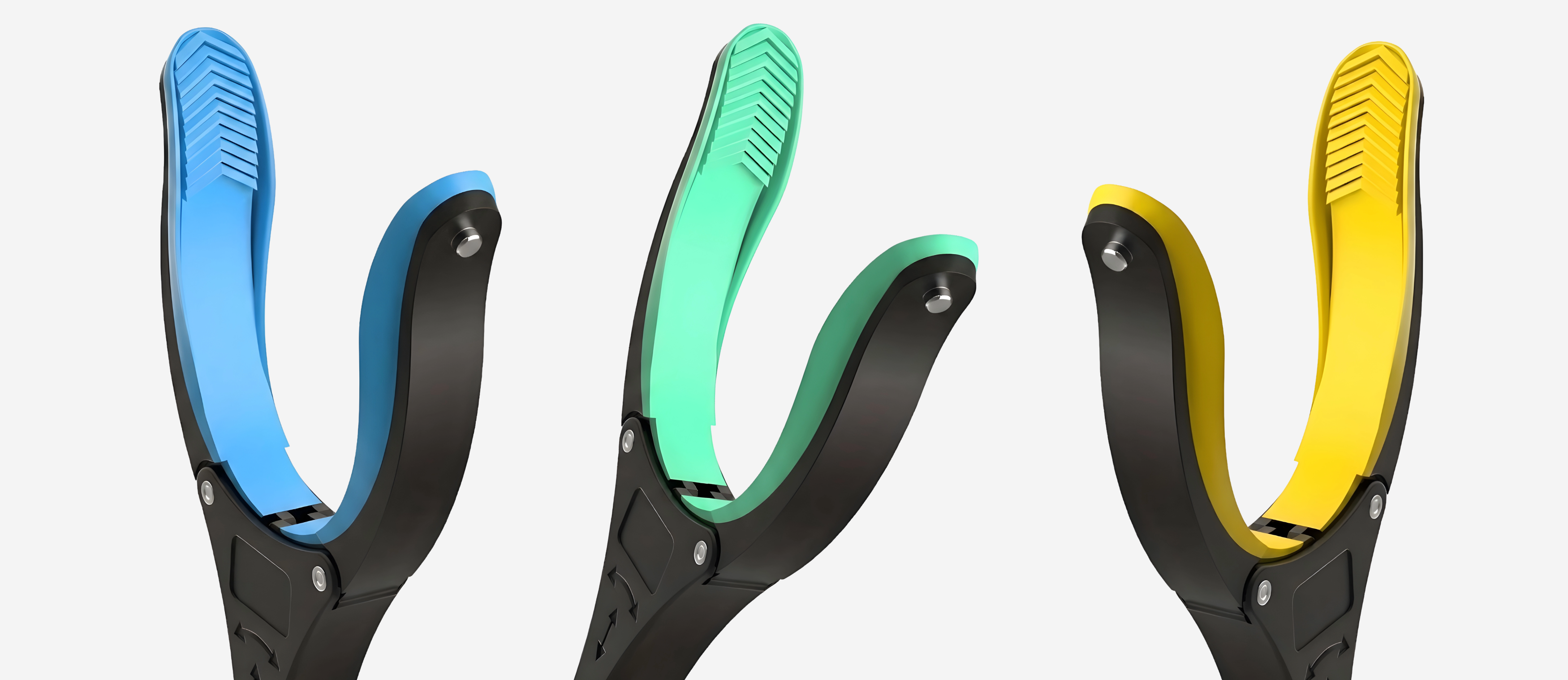
Direct answer: for peripheral neuropathy affecting the hands, the kitchen adaptive strategy must address both the grip failure risk (objects dropped because the grip is not sensed as inadequate) and the thermal feedback loss (hot surfaces not recognized as hot until contact causes injury). The GrabbersTool Electric Jar Opener and Electric Can Opener reduce the sustained grip required for container opening — less grip force means fewer dropped-container events from grip failure. The Reacher Grabber picks up floor items without the thermal risk of reaching to a surface whose temperature cannot be felt accurately.
The Sensory Feedback Gap in Neuropathy
Normal grip relies on constant tactile feedback from the skin and proprioceptive feedback from the joints: the person feels the jar in their hand, adjusts grip pressure in real time as the jar shifts, and knows when grip is beginning to fail before the jar actually drops. In peripheral neuropathy, this feedback loop is damaged or absent. The person holds the jar believing the grip is secure until the jar falls — there was no anticipatory warning signal.
This is why grip failure in neuropathy is different from grip failure in weakness: weakness limits how much force can be generated but leaves the feedback intact. Neuropathy may leave force capacity relatively preserved but removes the feedback that allows appropriate force application. A person with neuropathy may squeeze too hard (concentrating force inappropriately) or too softly (failing to maintain contact) because they cannot feel which is occurring.
Specific Kitchen Risks in Neuropathy
| Kitchen Risk | Neuropathy Mechanism | Adaptive Solution |
|---|---|---|
| Dropped jar during opening | Grip failure not sensed until drop occurs | Electric Jar Opener — no sustained grip on lid required |
| Manual can opener slip and cut | Grip position not felt; wheel misalignment not sensed | Electric Can Opener — no grip on opener required; smooth edge |
| Bottle top failure | Rotation force distribution not felt; hand position not corrected | 5-in-1 Multi-Opener — lever mechanics provide mechanical advantage without grip precision |
| Hot surface contact | Thermal sensation reduced; heat not perceived until injury threshold | Insulated gloves; towel handling; minimizing direct surface contact during cooking |
| Floor item retrieval | Foot neuropathy impairs balance during bending | Reacher Grabber — eliminates balance challenge of floor reach |
Electric can opener smooth-edge cutting mechanism — which eliminates the sharp lid edge that manual openers leave — is described in the product specifications. For neuropathy patients who cannot accurately feel a sharp edge, smooth-edge cutting is a relevant safety feature. View electric can opener specifications
Foot Neuropathy: The Balance Dimension
Peripheral neuropathy in the feet impairs the proprioceptive feedback that contributes to balance. The normal balance system uses foot-to-floor contact sensation to continuously update the postural control system. In foot neuropathy, this sensation is reduced, making standing balance and particularly the balance recovery during the bend-and-rise sequence more difficult. The reacher grabber eliminates the floor-reach sequence that requires this intact foot proprioception.
Fall risk in peripheral neuropathy is significantly elevated for this reason — not because of weakness but because the balance feedback system is compromised. The GrabbersTool Walking Cane provides an additional proprioceptive input through the cane tip — the cane contact signal supplements the reduced foot-floor sensation to provide additional balance information during ambulation.
Chemotherapy-Induced Neuropathy: A Specific Subgroup
Chemotherapy-induced peripheral neuropathy (CIPN) affects a significant proportion of patients receiving certain chemotherapy agents (particularly platinum compounds and taxanes). The neuropathy may develop during or after treatment and may be temporary or permanent. During active treatment, when patients are also managing fatigue and reduced immune function, kitchen safety adaptive tools reduce the injury risk during a period of reduced functional reserve. GrabbersTool products do not require a prescription and are available for immediate purchase during treatment.
See also: Diabetes and Foot Care: Adaptive Tools That Reduce Daily Foot Inspection Risk and Diabetes and Daily Living: Reducing Complication Risk With the Right Tools.
Browse Easy Grip Kitchen Openers and Reacher Grabber Tools for the full range suited to peripheral neuropathy kitchen safety.


